How Long to Wait Between Skincare Steps: The Complete Guide to Better Product Absorption
Published: 18 Jul 2026
Many people spend time and money on skincare products but overlook one important detail. How long to wait between skincare steps. Following the right skincare routine timing allows each product to absorb properly, helping your skin get the full benefits of every ingredient. Waiting the right amount of time can also improve product absorption, reduce irritation, prevent product pilling, and leave your skin looking healthier and more radiant.
One of the biggest mistakes people make is applying one skincare product immediately after another without giving the previous layer enough time to settle. This can cause products to mix together, roll off the skin, or become less effective. Whether you’re using a cleanser, toner, serum, moisturiser, or sunscreen, knowing the correct waiting time between skincare products can make a noticeable difference in your results.
So, does waiting actually improve your skincare results? In many cases, yes. Giving certain active ingredients, such as Vitamin C, Retinol, AHAs, BHAs, and sunscreen, enough time to absorb helps them work as intended. However, not every step requires a long pause, so it’s important to understand which skincare products need waiting time and which can be applied almost immediately.

In this complete guide, you’ll learn how long to wait between skincare steps, the correct skincare routine order, recommended waiting times for every skincare product, ingredient-specific tips, common mistakes to avoid, and expert advice to help you build a more effective morning skincare routine and night skincare routine for healthier, glowing skin.
Why Waiting Between Skincare Steps Matters
Knowing how long to wait between skincare steps is just as important as choosing the right products. Giving each product a little time to absorb helps it work more effectively and prevents common skincare problems. While you don’t need to wait several minutes after every step, allowing each layer to settle can improve your overall routine and help you achieve healthier-looking skin.
Better Absorption
Your skin can only absorb so much at one time. Applying products too quickly may cause them to mix before they have a chance to settle. Waiting 30 to 60 seconds between most lightweight products allows them to spread evenly and absorb more effectively, so your skin gets the maximum benefit from each ingredient.
Prevents Product Pilling
Product pilling happens when skincare products roll into tiny flakes on the skin instead of staying in place. This usually occurs when you layer products too quickly, use too much product, or combine formulas that don’t work well together. Giving each layer time to absorb helps create a smoother finish and reduces pilling.
Reduces Irritation
Applying several active ingredients without allowing them to settle can increase the risk of redness, stinging, and irritation, especially if you have sensitive skin. Waiting briefly between steps helps each product form an even layer and can make your skincare routine feel more comfortable.
Helps Active Ingredients Perform Better
Ingredients such as Vitamin C, Retinol, Niacinamide, Salicylic Acid, and Azelaic Acid are designed to deliver specific benefits. Allowing these products enough time to absorb before applying the next layer can help them perform as intended and support brighter, smoother, and healthier-looking skin.
Protects the Skin Barrier
Your skin barrier is responsible for keeping moisture in and protecting your skin from external irritants. Rushing through your skincare routine or layering products too quickly may weaken this protective barrier over time. Giving each product a moment to settle helps maintain hydration, reduces unnecessary irritation, and supports a stronger, healthier skin barrier.
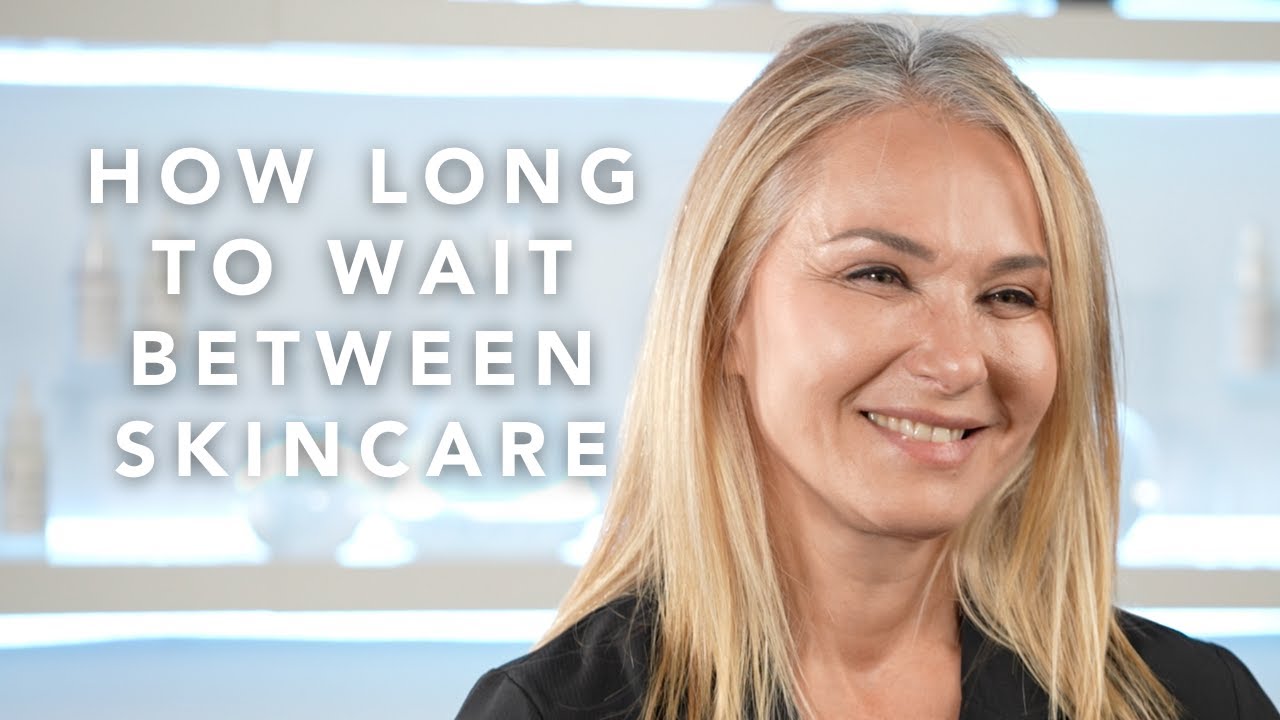
How Long Should You Wait Between Skincare Steps? Isomers Skincare
How Your Skin Absorbs Skincare Products
Understanding how your skin absorbs skincare products can help you get better results from your routine. Your skin doesn’t absorb every ingredient in the same way, and factors like your skin barrier, product formula, application method, and even the weather can affect how well a product works. Learning these basics will help you decide how long to wait between skincare steps and layer your products more effectively.
Skin Barrier Explained
Your skin barrier, also called the stratum corneum, is the outermost layer of your skin. It acts like a protective shield, keeping moisture in while blocking dirt, bacteria, pollutants, and other harmful substances from entering. A healthy skin barrier also controls how much of a skincare product can pass into the skin. When your skin barrier is damaged, your skin may become dry, sensitive, or irritated, making it harder for skincare products to work properly.
How Ingredients Penetrate Skin
Most skincare ingredients do not travel deep into the skin. Instead, they work within the upper layers where they can provide hydration, repair the skin barrier, or target specific concerns. Lightweight products, such as toners, essences, and serums, absorb more quickly because they contain smaller molecules and more water. Richer products like moisturisers, facial oils, and balms stay closer to the surface, helping to lock in moisture and protect the skin. Applying products in the correct order and allowing a short waiting time helps each layer absorb more effectively.
Does Skin Absorb Everything?
No. Your skin is designed to be a protective barrier, so it does not absorb everything you apply. Some ingredients remain on the surface to hydrate or protect the skin, while others penetrate only the upper layers. Ingredients such as Hyaluronic Acid, Ceramides, and Sunscreen mainly work on or near the skin’s surface, whereas ingredients like Retinol, Vitamin C, and Niacinamide are formulated to penetrate slightly deeper into the outer skin layers. This is why using the right amount of product and following the correct skincare routine order is more effective than applying extra product.
What Affects Absorption?
Several factors influence product absorption. Your skin type, product texture, and ingredient formulation all play an important role. Applying skincare to slightly damp skin can improve the absorption of hydrating products like Hyaluronic Acid, while treatments containing Retinol or chemical exfoliants are often best applied to completely dry skin to reduce irritation. Using too much product, layering too quickly, or mixing incompatible ingredients can also reduce how well your skincare performs.
Temperature and Humidity
Your environment can change how your skin absorbs skincare products. In warm and humid weather, the skin tends to stay more hydrated, allowing lightweight products to spread and absorb more easily. In cold or dry climates, moisture evaporates faster, and the skin barrier may become drier, making it important to use a richer moisturiser and avoid waiting too long between hydrating steps. No matter the season, applying your products consistently and giving each layer enough time to settle will help you achieve the best possible results.

Do You Really Need to Wait Between Skincare Steps?
The short answer is yes, but not always. Many people believe they must wait several minutes after every skincare product, but that’s not true. In most cases, you only need to wait until a product is mostly absorbed before applying the next one. However, certain active ingredients and sunscreen benefit from a longer waiting time to work more effectively. Understanding how long to wait between skincare steps helps improve product performance without making your routine unnecessarily long.
What Dermatologists Say
Most dermatologists recommend applying your skincare products in the correct order and allowing each layer to become mostly absorbed before moving on. For lightweight products like toners and serums, waiting 30 to 60 seconds is usually enough. Products such as sunscreen should be given 10–15 minutes before applying makeup so they can form an even protective layer. The goal is not to wait as long as possible but to let each product settle before adding the next one.
Myth vs Reality
One common myth is that you must wait 5 to 20 minutes between every skincare step for products to work. In reality, most modern skincare products are designed to be layered within a short period. Waiting several minutes between every step usually provides no extra benefit for everyday routines. What matters most is applying products in the correct skincare routine order, using the right amount, and allowing each layer to absorb enough so it doesn’t feel overly wet or sticky.
Which Products Need Waiting?
Some products perform better with a little extra time before the next step. These include Retinol, Retinal, Vitamin C, AHAs, BHAs, Benzoyl Peroxide, and Azelaic Acid, especially if you have sensitive skin. Sunscreen also needs enough time to set before applying makeup or going outdoors. Giving these products a short waiting period helps improve absorption, reduces irritation, and allows them to work as intended.
Which Products Don’t?
Many everyday skincare products require little or no waiting time. Cleansers, toners, essences, Hyaluronic Acid serums, Niacinamide serums, moisturisers, and eye creams can usually be layered after the previous product has mostly absorbed, which often takes 30 to 60 seconds. As long as the skin is not soaking wet or excessively sticky, you can continue with the next step without affecting your skincare results.
The Golden Rule for Layering Skincare Products
Following the correct skincare routine order is just as important as using the right products. Layering your skincare products correctly helps each one absorb properly and reduces the risk of product pilling, irritation, and wasted product. A simple rule to remember is to apply products from the lightest texture to the heaviest texture, allowing each layer to settle before moving to the next step.
Thin to Thick
The most important rule in layering skincare products is to apply products from thin to thick. Lightweight formulas, such as toners, essences, and serums, should always go on before heavier products like moisturisers and facial oils. Thin products absorb quickly and deliver active ingredients to the skin, while thicker products help seal in moisture and protect the skin barrier.
Water Before Oil
Always apply water-based skincare products before oil-based products. Water-based formulas, including hydrating toners, Hyaluronic Acid serums, and Vitamin C serums, penetrate the skin more easily. Oils create a protective layer on the skin, so applying them too early can make it harder for water-based products to absorb properly. Following the water before oil rule helps maximise product absorption.
Active Ingredients First
Products containing active ingredients, such as Vitamin C, Retinol, Niacinamide, Salicylic Acid, Glycolic Acid, and Azelaic Acid, should generally be applied after cleansing and toning but before heavier creams. These treatments are formulated to target concerns like acne, dark spots, fine lines, and uneven skin tone. Applying them before rich moisturisers allows the active ingredients to reach the skin more effectively.
Occlusives Last
Occlusive products are the final step in most evening skincare routines because they create a protective layer that locks in hydration and reduces transepidermal water loss (TEWL). Products such as petroleum jelly, healing balms, overnight masks, and some facial oils should always be applied after your serums and moisturiser. Applying occlusives last helps keep moisture in the skin and supports a stronger, healthier skin barrier throughout the night.
Recommended Waiting Time Between Every Skincare Step
One of the most common questions people ask is how long to wait between skincare steps. In most cases, you only need to wait until the previous product is mostly absorbed and no longer feels overly wet or slippery. The exact waiting time depends on the type of product, its texture, and the ingredients it contains. Use the guide below to build an effective morning skincare routine and night skincare routine.
Cleanser → Toner
(Wait: Immediately to 30 Seconds)
After cleansing, gently pat your face until it is slightly damp, not dripping wet. Apply your toner within 30 seconds while your skin still has some moisture. This helps hydrating toners absorb better and prepares your skin for the next steps.
Toner → Essence
(Wait: 30–60 Seconds)
Allow your toner to settle for about 30 to 60 seconds before applying an essence. This gives the toner enough time to hydrate the skin and helps the essence absorb more evenly.
Essence → Serum
(Wait: 30–60 Seconds)
Once the essence has mostly absorbed, apply your serum after 30 to 60 seconds. This allows the serum’s active ingredients to reach the skin more effectively without being diluted by excess moisture.
Serum → Spot Treatment
(Wait: 1 Minute)
After applying your serum, wait about 1 minute before using a spot treatment for acne or blemishes. This prevents the products from mixing together and allows each treatment to target the skin properly.
Spot Treatment → Eye Cream
(Wait: 1 Minute)
Give your spot treatment about 1 minute to dry before applying eye cream. This helps keep acne treatments in place while allowing the eye cream to hydrate the delicate skin around your eyes.
Eye Cream → Moisturiser
(Wait: 30–60 Seconds)
Wait 30 to 60 seconds after applying eye cream before using your moisturiser. The moisturiser will help seal in hydration without interfering with the eye cream.
Moisturiser → Facial Oil
(Wait: 1–2 Minutes)
If you use a facial oil, allow your moisturiser to absorb for 1 to 2 minutes first. Applying the oil last helps lock in moisture and supports a healthy skin barrier.
Moisturiser → Sunscreen
(Morning Routine) (Wait: 1–2 Minutes)
In the morning, wait about 1 to 2 minutes after applying your moisturiser before using broad-spectrum sunscreen. This gives your moisturiser time to settle so the sunscreen can form an even, protective layer.
Sunscreen → Primer
(Wait: 10–15 Minutes)
After applying sunscreen, wait 10 to 15 minutes before using primer. This allows the sunscreen to fully set and provides the best possible UV protection without being disturbed by makeup products.
Primer → Makeup
(Wait: 30–60 Seconds)
Once your primer feels dry and smooth, wait 30 to 60 seconds before applying foundation or other makeup. This helps create a more even finish, improves makeup wear, and reduces the chance of product pilling throughout the day.
Complete Morning Skincare Routine Timeline
A well-planned morning skincare routine doesn’t have to take a long time. The key is applying your skincare products in the correct order and allowing enough time for each layer to absorb. Whether you have 5 minutes or 20 minutes, following the right skincare routine timeline helps improve product absorption, keeps your skin hydrated, and ensures your sunscreen provides the best protection throughout the day.
6-Step Morning Routine
A simple 6-step morning skincare routine works well for most skin types and takes around 8–10 minutes to complete.
- Cleanser – Wash your face to remove oil and sweat.
- Toner – Apply immediately or within 30 seconds.
- Serum – Wait 30–60 seconds before applying your favourite Vitamin C serum or Hyaluronic Acid serum.
- Eye Cream – Wait about 30 seconds after your serum.
- Moisturiser – Apply after 30–60 seconds to lock in hydration.
- Broad-Spectrum Sunscreen (SPF 30 or higher) – Wait 1–2 minutes after your moisturiser, then allow the sunscreen to set for 10–15 minutes before applying makeup or going outside.
10-Minute Routine
If you have around 10 minutes, you can comfortably complete your skincare routine without rushing. Spend the first few minutes cleansing and layering your toner, serum, and moisturiser with short waiting times between each step. Use the remaining time to let your sunscreen fully set before applying primer or makeup. This routine provides excellent UV protection while giving your skincare products enough time to work effectively.
20-Minute Routine
A 20-minute morning skincare routine is ideal if you enjoy a more relaxing start to your day. It gives each product plenty of time to absorb and is especially helpful when using multiple active ingredients or preparing your skin for long-lasting makeup. You can also include optional products like an essence, facial mist, or facial massage while waiting between layers. Although this routine isn’t necessary every day, it can leave your skin looking smoother, more hydrated, and better prepared for the day ahead.
When You’re in a Hurry
Even on busy mornings, you don’t need to skip your skincare routine. Focus on the essentials: Cleanser, Vitamin C serum (optional), Moisturiser, and Broad-Spectrum Sunscreen. Wait just 30–60 seconds between lightweight products and 1–2 minutes before applying sunscreen. If you wear makeup, try to give your sunscreen at least 10 minutes to set. A quick but consistent routine is far better than skipping your skincare altogether.
Complete Night Skincare Routine Timeline
Your night skincare routine is the best time to repair, hydrate, and nourish your skin. While you sleep, your skin naturally works to recover from daily damage, making it the perfect time to use active ingredients such as Retinol, Niacinamide, Peptides, and Ceramides. Following the correct skincare routine order and allowing each product enough time to absorb can help you wake up with healthier, smoother, and more hydrated skin.
Basic Routine
A basic night skincare routine is suitable for most people and takes around 5–10 minutes to complete. Start with a cleanser to remove makeup, sunscreen, dirt, and excess oil. Apply a toner if you use one, followed by a hydrating serum or treatment serum. Wait about 30–60 seconds between lightweight products before applying an eye cream and a moisturiser. This simple routine helps restore moisture overnight and supports a healthy skin barrier.
Advanced Routine
An advanced night skincare routine includes additional treatment products to target concerns such as fine lines, dark spots, acne, or uneven skin tone. After cleansing and toning, apply products like Retinol, Retinal, Niacinamide, Peptides, or Azelaic Acid, allowing each layer to absorb for about 1 minute before moving to the next step. Finish with a moisturiser and, if needed, a facial oil or overnight sleeping mask to lock in hydration. Avoid using multiple strong active ingredients together unless they are designed to be layered safely.
Weekly Treatment Nights
One or two nights a week, you can replace your regular treatment with a weekly skincare treatment. This may include a chemical exfoliant such as Glycolic Acid, Lactic Acid, or Salicylic Acid, or a hydrating face mask for extra moisture. After cleansing, apply your treatment product and allow it to absorb before finishing with a moisturiser. On exfoliation nights, avoid combining strong ingredients like Retinol and AHAs/BHAs unless advised by a dermatologist, as this can increase the risk of skin irritation and damage to the skin barrier.
Waiting Time for Every Active Ingredient
Different active ingredients absorb at different speeds, so knowing how long to wait between skincare steps can help you get the best results. In most cases, waiting 30 to 60 seconds is enough before applying the next product. However, some treatments, especially Retinol, chemical exfoliants, and Benzoyl Peroxide, may benefit from a slightly longer waiting time. Below is a simple guide for the most popular skincare ingredients.
Vitamin C (Wait: 1 Minute)
After applying a Vitamin C serum, wait about 1 minute before using your next product. This powerful antioxidant helps brighten the skin, fade dark spots, and protect against environmental damage. Allowing it to absorb first helps maximise its effectiveness.
Retinol (Wait: 1–2 Minutes)
Apply Retinol to completely dry skin and wait 1 to 2 minutes before using a moisturiser. This can help reduce irritation while giving the ingredient time to settle. Beginners may also use the moisturiser sandwich method for extra comfort.
Retinal (Wait: 1–2 Minutes)
Retinal (Retinaldehyde) works similarly to Retinol but is generally more potent. Apply it to dry skin and wait 1 to 2 minutes before your moisturiser. Avoid layering it with strong AHAs, BHAs, or Benzoyl Peroxide in the same routine unless advised by a dermatologist.
Bakuchiol (Wait: 30–60 Seconds)
Bakuchiol is a gentle plant-based alternative to Retinol. Wait about 30 to 60 seconds before applying your moisturiser. It pairs well with ingredients like Niacinamide, Ceramides, and Hyaluronic Acid.
Niacinamide (Wait: 30–60 Seconds)
Niacinamide absorbs quickly, so waiting 30 to 60 seconds is usually enough. It helps reduce excess oil, minimise the appearance of pores, strengthen the skin barrier, and improve uneven skin tone.
Hyaluronic Acid (Wait: 30 Seconds)
Apply Hyaluronic Acid to slightly damp skin and wait about 30 seconds before using your moisturiser. This hydrating ingredient attracts moisture to the skin and works best when sealed in with a cream.
Salicylic Acid (Wait: 1–2 Minutes)
After applying Salicylic Acid, wait 1 to 2 minutes before the next step. This BHA exfoliates inside the pores, helping reduce acne, blackheads, and excess oil. Follow with a moisturiser to keep your skin balanced.
Glycolic Acid (Wait: 1–2 Minutes)
Allow Glycolic Acid to absorb for 1 to 2 minutes before applying other products. This AHA removes dead skin cells, improves skin texture, and promotes a brighter complexion. Avoid combining it with Retinol in the same routine if your skin is sensitive.
Lactic Acid (Wait: 1–2 Minutes)
Lactic Acid is a gentler AHA that exfoliates while helping the skin retain moisture. Waiting 1 to 2 minutes before applying moisturiser allows it to work effectively with less risk of irritation.
Mandelic Acid (Wait: 1–2 Minutes)
Mandelic Acid has larger molecules than most AHAs, making it a good choice for sensitive and acne-prone skin. Wait 1 to 2 minutes before applying the next product to allow proper absorption.
Azelaic Acid (Wait: 1 Minute)
Wait about 1 minute after applying Azelaic Acid before layering another product. It helps reduce redness, acne, post-inflammatory marks, and uneven skin tone while being suitable for many skin types.
Benzoyl Peroxide (Wait: 1–2 Minutes)
Benzoyl Peroxide needs 1 to 2 minutes to settle before applying a moisturiser. It helps kill acne-causing bacteria but can be drying, so always follow with a hydrating product if needed.
Peptides (Wait: 30–60 Seconds)
Peptides absorb quickly, so waiting 30 to 60 seconds is enough. They support collagen production, improve skin firmness, and help reduce the appearance of fine lines and wrinkles.
Ceramides (Wait: 30 Seconds)
Ceramides are barrier-repair ingredients that help lock in moisture. Wait around 30 seconds before applying your next layer, or use them as part of your moisturiser to strengthen the skin barrier.
Tranexamic Acid (Wait: 1 Minute)
After applying Tranexamic Acid, wait about 1 minute before continuing your routine. This ingredient is commonly used to improve hyperpigmentation, melasma, and stubborn dark patches.
Alpha Arbutin (Wait: 30–60 Seconds)
Alpha Arbutin absorbs quickly, so a 30 to 60-second wait is usually enough. It helps fade dark spots, acne marks, and uneven skin tone, especially when paired with Vitamin C or Niacinamide.
Copper Peptides (Wait: 1 Minute)
Allow Copper Peptides to absorb for about 1 minute before applying a moisturiser. These peptides support skin repair, improve elasticity, and help reduce visible signs of ageing. To avoid potential interactions, many skincare experts recommend using them in a separate routine from strong acids or pure Vitamin C.
Should Your Face Be Wet, Damp, or Dry?
The condition of your skin before applying a product can affect product absorption, comfort, and results. Some skincare products work best on damp skin, while others should only be applied to completely dry skin to reduce irritation. Knowing when your face should be wet, damp, or dry is an important part of following the correct skincare routine order and getting the most from every product.
Best Products for Damp Skin
Many hydrating products perform better when applied to slightly damp skin because they help attract and lock in moisture. Apply these products within 30 seconds after cleansing or toning while your skin still feels lightly damp:
- Hyaluronic Acid
- Hydrating Toners
- Essences
- Glycerin-based Serums
- Panthenol (Vitamin B5)
- Aloe Vera Gel
- Hydrating Mists
Applying these products to damp skin improves hydration, supports the skin barrier, and helps reduce moisture loss. Follow with a moisturiser to seal everything in.
Products for Dry Skin
Some active ingredients should be applied only after your face is completely dry. Damp skin can increase how deeply these ingredients penetrate, which may lead to redness, stinging, or irritation, especially if you have sensitive skin.
Products that work best on dry skin include:
- Retinol
- Retinal
- Tretinoin (prescription)
- Adapalene
- Benzoyl Peroxide (if irritation occurs)
- Strong AHAs such as Glycolic Acid
- Strong BHAs when recommended by your dermatologist
For these treatments, wait until your face is completely dry, usually 5 to 10 minutes after cleansing if you haven’t applied hydrating products first, or follow the instructions provided with your product.
Products That Should Never Be Applied on Wet Skin
Certain products should not be applied to wet skin because doing so can increase absorption too much and raise the risk of irritation. These include:
- Retinol
- Retinal
- Prescription Retinoids (such as Tretinoin)
- High-strength Glycolic Acid
- High-strength Chemical Peels
- Benzoyl Peroxide (for sensitive skin)
Applying these ingredients to wet skin may cause burning, dryness, excessive peeling, and damage to the skin barrier. If you’re using these treatments, make sure your skin is dry before application, then follow with a moisturiser after the recommended waiting time to help minimise irritation.
Does Skin Type Change the Waiting Time?
Yes, skin type can change how long you should wait between skincare steps. While the general rule is to wait until a product is mostly absorbed, different skin types absorb products at different speeds and react differently to active ingredients. Adjusting your skincare routine timing based on your skin type can help improve product absorption, reduce irritation, and keep your skin barrier healthy.
Dry Skin
People with dry skin often lose moisture quickly, so waiting too long between hydrating steps can allow water to evaporate from the skin. Apply toners, Hyaluronic Acid, serums, and moisturiser within 30–60 seconds of each other while the skin is still slightly damp. Shorter waiting times help lock in hydration and prevent tight, flaky skin.
Oily Skin
Oily skin usually absorbs lightweight products more quickly, so waiting 30–60 seconds is often enough for toners, Niacinamide serums, and oil-control treatments. However, products containing Salicylic Acid or other acne treatments may benefit from 1–2 minutes before the next step to allow them to work properly inside the pores.
Combination Skin
With combination skin, some areas may absorb products faster than others. A balanced approach works best: wait about 30–60 seconds between hydrating products and 1 minute after stronger treatments such as Vitamin C, Azelaic Acid, or exfoliating acids. This helps keep oily areas from becoming greasy while preventing dry areas from losing moisture.
Sensitive Skin
If you have sensitive skin, slightly longer waiting times can help reduce irritation. After applying Retinol, Retinal, AHAs, BHAs, or Benzoyl Peroxide, wait 1–2 minutes before applying another product. This gives the treatment time to settle and may reduce redness, stinging, and burning sensations. Gentle ingredients like Ceramides and Peptides can usually be layered after 30–60 seconds.
Acne-Prone Skin
Acne-prone skin often uses multiple active ingredients, so timing becomes especially important. After Salicylic Acid, Benzoyl Peroxide, or spot treatments, wait about 1–2 minutes before applying moisturiser. This helps keep acne treatments in contact with the skin and reduces the chance of diluting them with other products. Always follow with a non-comedogenic moisturiser to support the skin barrier.
Mature Skin
Mature skin tends to be drier and may absorb products more slowly. Wait about 30–60 seconds between hydrating layers, then give treatment products such as Retinol, Peptides, or Copper Peptides about 1 minute before sealing everything in with a nourishing moisturiser. This approach helps maximise hydration, support collagen production, and improve the appearance of fine lines and wrinkles without overwhelming the skin.
Does Product Texture Affect Waiting Time?
Yes, product texture plays an important role in how long to wait between skincare steps. Lightweight formulas usually absorb faster than rich, heavy products. Understanding how different textures behave helps improve product absorption, prevents product pilling, and ensures each product works as intended. As a general rule, wait until the previous product is mostly absorbed before applying the next layer.
Gel
Gel-based skincare products are lightweight and water-based, making them one of the fastest-absorbing formulas. Gel moisturisers, hydrating gels, and gel serums usually need only 30–60 seconds before you can move to the next step. They are an excellent choice for oily and combination skin.
Cream
Creams are thicker than gels because they contain more moisturising and nourishing ingredients. Wait about 1–2 minutes after applying a face cream or moisturiser before using the next product. This allows the cream to absorb properly and helps lock in hydration without feeling heavy.
Lotion
A lotion has a lighter texture than a cream but is richer than a gel. Most face lotions absorb within 30–60 seconds, making them suitable for normal, oily, and combination skin. Once the lotion no longer feels wet, you can continue with the next skincare step.
Oil
Facial oils absorb more slowly and should usually be applied near the end of your skincare routine. Wait about 2–3 minutes after applying an oil before moving to the next step, if needed. Oils create a protective layer that locks in moisture, so they should not be applied before water-based serums or treatments.
Balm
Balms are thick, occlusive products designed to seal moisture into the skin. They are often used as the final step in a night skincare routine. Allow about 2–3 minutes for a balm to settle before touching your face or going to bed. In most cases, no additional skincare products should be applied after a balm.
Mist
A facial mist absorbs very quickly and usually requires only 15–30 seconds before the next product. Apply your serum or moisturiser while your skin is still slightly damp to help improve hydration and support the skin barrier.
Ampoule
An ampoule is a concentrated treatment similar to a serum but often contains a higher level of active ingredients. Wait about 30–60 seconds after applying an ampoule before using your moisturiser or the next treatment. This gives the active ingredients enough time to absorb and deliver their benefits effectively.
Common Skincare Layering Mistakes
Even the best skincare products may not deliver the results you expect if they are applied incorrectly. Simple mistakes, such as using too much product or applying layers in the wrong order, can reduce product absorption, cause product pilling, and irritate your skin. Avoiding these common errors will help you get the most from your morning skincare routine and night skincare routine.
Applying Too Much Product
Using more skincare product does not mean better results. Applying excessive amounts of serums, moisturisers, or facial oils can make products sit on the skin instead of absorbing properly. This may leave your skin feeling greasy, clog pores, and increase the risk of product pilling. Always use the amount recommended on the product label.
Not Waiting for Sunscreen
One of the biggest skincare mistakes is applying makeup immediately after broad-spectrum sunscreen. Sunscreen needs about 10–15 minutes to form an even protective layer on the skin. Applying primer, foundation, or other makeup too soon can reduce UV protection and make the sunscreen less effective.
Mixing Incompatible Ingredients
Not all active ingredients should be used together in the same routine. Combining products such as Retinol with strong AHAs or BHAs, or layering multiple powerful treatments at once, may increase the risk of redness, dryness, and irritation. If you’re using several active ingredients, follow the product instructions or alternate them between your morning and evening routines when appropriate.
Using Products in the Wrong Order
Applying skincare products in the wrong order can reduce their effectiveness. Always follow the thin-to-thick rule by applying lightweight products like toners, essences, and serums before heavier products such as moisturisers, facial oils, and balms. Following the correct skincare routine order helps each product absorb properly and perform as intended.
Over-Layering
Using too many skincare products in one routine can overwhelm your skin and increase the chance of irritation. Layering several serums, treatments, and moisturisers may not improve your results and can even weaken the skin barrier. A simple routine with the right products, applied in the correct order and with the proper waiting time between skincare steps, is often more effective than using too many products at once.
Signs You’re Not Waiting Long Enough
If you’re applying one skincare product immediately after another, your skin may show signs that it needs a little more time between steps. Giving each product enough time to absorb improves product absorption, reduces irritation, and helps your skincare routine work more effectively. Here are the most common signs that you’re not waiting long enough between skincare steps.
Products Pill
One of the clearest signs is product pilling, where your skincare forms tiny flakes or rolls into small balls on the skin. This usually happens when products are layered too quickly, too much product is applied, or incompatible formulas are mixed together. Waiting 30–60 seconds between most products can help prevent pilling.
Sticky Feeling
If your face feels sticky, tacky, or overly wet after your routine, your products may not have had enough time to settle. Applying another layer too soon can leave excess product sitting on the skin instead of absorbing properly. Giving each layer a short waiting time creates a smoother, more comfortable finish.
Patchy Makeup
When foundation, concealer, or primer looks uneven or separates throughout the day, your skincare may be the reason. Applying makeup before your moisturiser or sunscreen has fully absorbed can cause patchiness and reduce makeup wear. Always allow sunscreen to set for 10–15 minutes before applying makeup.
Breakouts
Layering products too quickly can sometimes contribute to breakouts, especially if products mix together and clog the pores. While breakouts have many possible causes, allowing active ingredients and acne treatments enough time to absorb before applying heavier products may help improve their performance and reduce the chance of blocked pores.
Irritation
If you notice redness, burning, stinging, or increased sensitivity after applying your skincare, you may be layering products too quickly, especially strong active ingredients like Retinol, AHAs, BHAs, or Benzoyl Peroxide. Waiting 1–2 minutes after these treatments before applying the next product can help reduce irritation and protect your skin barrier.
Signs You’re Waiting Too Long
While giving your skincare products time to absorb is important, waiting too long between skincare steps can also reduce their effectiveness. Some products work best when they are layered while the skin is still slightly hydrated. Waiting several minutes between every step may cause moisture to escape, making your routine less effective. Here are the most common signs that you’re waiting too long.
Skin Becomes Too Dry
If your skin feels tight, dry, or uncomfortable before you apply the next product, you’ve probably waited too long. Hydrating ingredients such as Hyaluronic Acid, Glycerin, and Panthenol work best when followed by a moisturiser within 30–60 seconds. Applying the next layer sooner helps lock in hydration and keeps your skin barrier healthy.
Products Don’t Spread Well
When your skin becomes completely dry, products like serums, moisturisers, and facial oils may not glide across the skin as easily. This can cause you to use more product than necessary and lead to uneven application. Applying your next skincare step while the previous layer is mostly absorbed helps products spread smoothly and evenly.
Moisture Evaporates
Waiting too long allows water to evaporate from the skin, especially in dry or cold weather. This reduces the benefits of hydrating products and can leave your skin feeling dehydrated. To prevent moisture loss, apply your toner, serum, and moisturiser within the recommended waiting times and finish with a moisturiser to seal in hydration.
Skincare Waiting Time Chart
Remembering the correct waiting time between skincare steps doesn’t have to be difficult. The table below provides a quick reference for the most common skincare products. These times are suitable for most people and help improve product absorption, reduce product pilling, and ensure each product performs as intended.
| Skincare Step | Recommended Wait Time |
| Cleanser → Toner | 0–30 seconds |
| Toner → Serum | 30–60 seconds |
| Serum → Spot Treatment | 1 minute |
| Spot Treatment → Eye Cream | 1 minute |
| Eye Cream → Moisturiser | 30–60 seconds |
| Moisturiser → Facial Oil | 1–2 minutes |
| Moisturiser → Sunscreen | 1–2 minutes |
| Sunscreen → Primer | 10–15 minutes |
| Primer → Makeup | 30–60 seconds |
Quick Tip: These are general guidelines rather than strict rules. Most skincare products only need enough time to become mostly absorbed before applying the next layer. If your skin still feels very wet or slippery, wait a little longer. If it feels comfortable and the product has settled, you can continue with the next step of your skincare routine.
Skincare Routine Timing for Busy People
A busy schedule doesn’t mean you have to skip your skincare routine. Even if you only have a few minutes, following the correct skincare routine order and allowing short waiting times between skincare steps can help your products work effectively. The key is to focus on the essentials and be consistent every day.
2-Minute Routine
If you only have 2 minutes, keep your routine simple. Cleanse your face, apply a lightweight moisturiser, and finish with a broad-spectrum sunscreen (SPF 30 or higher) during the day. At night, replace sunscreen with a moisturiser. Wait about 30 seconds between products, just until the previous layer is mostly absorbed. This quick routine helps keep your skin clean, hydrated, and protected.
5-Minute Routine
A 5-minute skincare routine gives you enough time to add a treatment product. Start with a cleanser, followed by a Vitamin C serum in the morning or a Niacinamide serum at night. Wait 30–60 seconds, then apply a moisturiser. During the day, finish with broad-spectrum sunscreen and allow it to set for a few minutes before leaving the house. This routine provides hydration, antioxidant protection, and supports a healthy skin barrier.
10-Minute Routine
With 10 minutes, you can complete a more balanced morning skincare routine or night skincare routine. Cleanse your face, apply a toner, serum, eye cream, and moisturiser, waiting 30–60 seconds between lightweight products. In the morning, finish with broad-spectrum sunscreen and allow it to set for 10–15 minutes before applying makeup. This routine gives your skincare products enough time to absorb while helping you achieve healthier, smoother, and more radiant skin.
Dermatologist Tips for Better Product Absorption
Choosing the right skincare products is only part of the equation. The way you apply them can also affect product absorption and overall results. Dermatologists often recommend simple techniques that help your skincare absorb more effectively while protecting your skin barrier. These tips can improve your morning skincare routine and night skincare routine without adding extra time.
Apply to Damp Skin
Many hydrating products work best on slightly damp skin. Apply ingredients such as Hyaluronic Acid, hydrating toners, and essences within 30 seconds after cleansing or misting your face. Damp skin helps these products attract and retain moisture, leaving your skin softer and better hydrated. However, Retinol, Retinal, and strong chemical exfoliants should always be applied to dry skin to minimise irritation.
Use Gentle Pressure
Instead of rubbing products into your skin, gently pat or press them in using your fingertips. This helps spread the product evenly without causing unnecessary friction. Gentle application is especially important around the delicate eye area and for people with sensitive skin or a weakened skin barrier.
Don’t Rub Aggressively
Rubbing your face too hard can damage the skin barrier, increase redness, and reduce the effectiveness of your skincare routine. It may also cause irritation when using active ingredients like Retinol, Vitamin C, or AHAs. Apply each product with light, upward motions and allow it to absorb naturally before moving to the next step.
Store Products Correctly
Proper storage helps keep active ingredients stable and effective. Store most skincare products in a cool, dry place away from direct sunlight and excessive heat. Products containing Vitamin C, Retinol, and Peptides are especially sensitive to light and air, so always close the lid tightly after each use. Correct storage helps maintain product quality and extends its shelf life.
Use the Right Amount
Using the correct amount of each product helps improve product absorption and prevents waste. Too much product can leave your skin feeling sticky, increase product pilling, and make layering more difficult. As a general guide, use a pea-sized amount for Retinol, two to three drops for most serums, a coin-sized amount of moisturiser, and the two-finger rule for applying broad-spectrum sunscreen to your face and neck.
FAQs
Below are answers to some of the most common questions about how long to wait between skincare steps. These quick answers will help you build a more effective skincare routine and avoid common layering mistakes.
For most skincare products, waiting 30 to 60 seconds is enough. This gives each product time to become mostly absorbed before applying the next layer. However, some products require a little longer:
- Retinol: 1–2 minutes
- Chemical exfoliants (AHAs/BHAs): 1–2 minutes
- Moisturiser → Sunscreen: 1–2 minutes
- Sunscreen → Makeup: 10–15 minutes
These simple waiting times help your skincare products absorb better and work more effectively.
Not always. Most lightweight products, such as toners, essences, and serums, only need a short wait of 30–60 seconds. The goal is to let each product settle before applying the next one, not to wait several minutes after every step.
Yes. Once your serum is mostly absorbed, usually after 30–60 seconds, you can apply your moisturiser. The moisturiser helps lock in hydration and supports a healthy skin barrier.
You should wait 10–15 minutes after applying broad-spectrum sunscreen before putting on primer or makeup. This allows the sunscreen to form an even protective layer and provide the best possible UV protection.
It depends on the product you’re using.
- Apply to damp skin:
- Hyaluronic Acid
- Hydrating Toners
- Essences
- Hydrating Serums
- Apply to dry skin:
- Retinol
- Retinal
- Benzoyl Peroxide
- Strong AHAs and BHAs
Using the correct skin condition helps improve product absorption and reduces irritation.
Applying products too quickly may lead to several problems, including:
- Product pilling
- Sticky or greasy skin
- Patchy makeup
- Reduced product absorption
- Increased irritation from active ingredients
Allowing each layer to absorb can help your skincare routine work more effectively.
Yes. Different skin types absorb products differently.
- Dry skin: Shorter waits between hydrating products help prevent moisture loss.
- Oily skin: Lightweight products absorb quickly, but acne treatments may need extra time.
- Sensitive skin: Waiting 1–2 minutes after strong active ingredients can help reduce irritation.
- Combination skin: Follow standard waiting times and adjust based on how each area of your face feels.
Adjust your waiting time between skincare steps based on your skin type to help your products absorb better and reduce irritation.
A simple skincare routine order is:
- Cleanser
- Toner
- Essence (optional)
- Serum
- Spot Treatment (if needed)
- Eye Cream
- Moisturiser
- Facial Oil (optional)
- Broad-Spectrum Sunscreen (morning only)
Applying products from thinnest to thickest texture and following the recommended waiting time between skincare steps helps each product perform at its best.
Following the correct skincare routine order and allowing the recommended waiting time between skincare steps helps every product absorb properly and perform at its best. Whether your routine is simple or includes multiple active ingredients, consistency is more important than perfection. By layering your skincare products correctly and giving each one enough time to settle, you can achieve healthier, smoother, and more radiant skin over time.
Final Thoughts
Knowing how long to wait between skincare steps can make a real difference in your skincare results. Giving each product enough time to absorb helps improve product absorption, reduces product pilling, and allows active ingredients to work more effectively.
The key takeaway is simple: follow the correct skincare routine order, apply products from thin to thick, and wait until each layer is mostly absorbed before moving to the next step. You don’t need to wait several minutes after every product. Just follow the recommended timing for the products you’re using.
Remember, consistency is more important than perfection. A simple skincare routine followed every day will deliver better long-term results than a complicated routine you can’t maintain. By using the right products, applying them in the correct order, and following the recommended waiting time between skincare steps, you’ll be giving your skin the best chance to stay healthy, hydrated, and glowing.






- Be Respectful
- Stay Relevant
- Stay Positive
- True Feedback
- Encourage Discussion
- Avoid Spamming
- No Fake News
- Don't Copy-Paste
- No Personal Attacks
- Be Respectful
- Stay Relevant
- Stay Positive
- True Feedback
- Encourage Discussion
- Avoid Spamming
- No Fake News
- Don't Copy-Paste
- No Personal Attacks
