What to Know Before Choosing Microneedling in Boynton Beach
Published: 1 Oct 2026
Skin naturally changes over time. Sun exposure, ageing, past acne eruptions, and even the environment can affect it. In professional skin rejuvenation, microneedling has emerged as a popular cosmetic procedure.
One term people use when looking for professional skin rejuvenation in Boynton Beach is microneedling Boynton Beach. The treatment uses a specialized device to create small, controlled holes in the skin. This process is meant to encourage the skin’s own healing mechanisms and promote radiant, healthy skin.
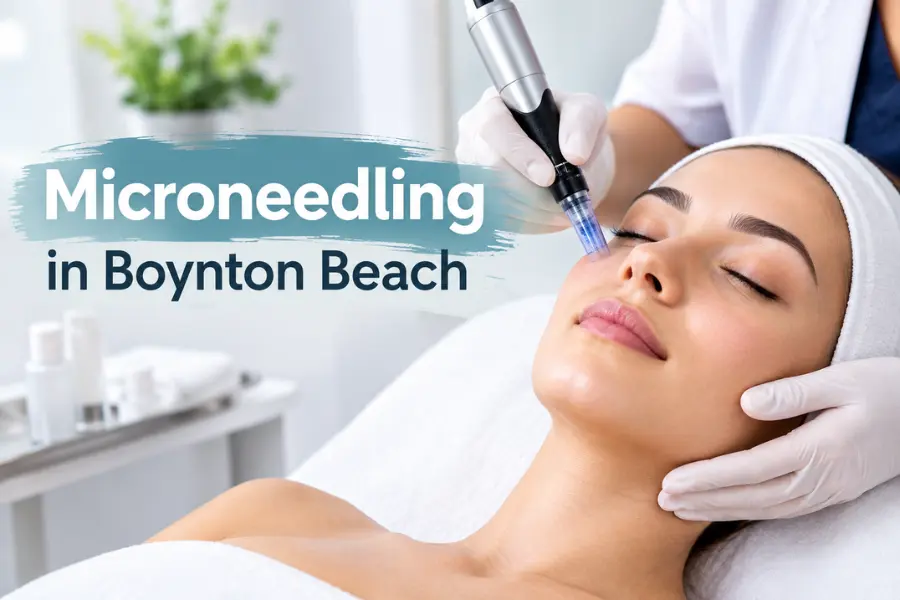
Understanding how the treatment works, what it can help with, and what to consider when choosing a provider will help you decide whether to proceed.
What Is Microneedling?
Microneedling is a minimally invasive cosmetic procedure that uses a device with very fine needles to create small, controlled micro-injuries in the skin. These tiny openings trigger the skin’s natural healing response.
How Does Microneedling Work?
During treatment, the fine needles create controlled micro-injuries on the skin’s surface. The body responds by starting its natural repair process, which can encourage collagen and elastin production. These proteins help support smoother, firmer, and healthier-looking skin.
Where Is Microneedling Used?
Microneedling is commonly performed on the face, but it can also be used on the neck and other parts of the body. The treatment area depends on the skin concern being addressed, the patient’s goals, and the provider’s experience.
Is Microneedling Right for Everyone?
Microneedling may not be suitable for every person or every skin condition. A professional should assess your skin type, current skin condition, medical history, and treatment goals before recommending the procedure. A proper consultation can also help you understand the expected results, possible side effects, and recovery process.
What Skin Concerns Can Microneedling Address?
People may consider microneedling for several common skin concerns, including uneven texture, fine lines, enlarged-looking pores, and some types of acne scars. It may also help improve the overall appearance of dull or uneven-looking skin.
Can Microneedling Help With Acne Scars?
Microneedling may improve the appearance of some acne scars by supporting the skin’s natural healing process and collagen production. It is often considered for scars that leave the skin looking uneven or textured. Scar type and depth can affect the results you can expect.
Can Microneedling Improve Fine Lines?
Microneedling may help reduce the appearance of fine lines by encouraging collagen production. As the skin repairs itself, it may gradually look smoother and more refreshed. The results can vary depending on factors such as age, skin condition, and the treatment plan.
Can Microneedling Help With Enlarged-Looking Pores and Uneven Texture?
Microneedling may help improve uneven skin texture and make enlarged-looking pores appear less noticeable. By supporting collagen production and skin renewal, the treatment can help create a smoother-looking skin surface over time.
Can Microneedling Improve Dull or Uneven-Looking Skin?
Some people choose microneedling to improve a dull or uneven complexion. The treatment can support the skin’s natural renewal process, which may help the skin look smoother and more refreshed. However, results vary by person and may depend on skin type, lifestyle, skincare routine, and the treatment program.
A professional consultation can help you understand which concerns may respond to microneedling and set realistic expectations.
How Does Microneedling Work?
During microneedling, a specialised device is gently moved over the targeted area of the skin. The device contains very fine needles that create controlled microchannels at a selected depth. These tiny channels trigger the skin’s natural healing response.
How Are Microchannels Created?
The microneedling device is carefully moved across the treatment area, allowing the fine needles to create small, controlled microchannels in the skin. You can adjust the depth based on the area being treated and the skin concern being addressed.
How Does Microneedling Support Skin Healing?
The controlled micro-injuries encourage the body’s natural healing process. As the skin repairs itself, it may support collagen production and other key components involved in skin renewal. Over time, this process may help the skin look smoother, firmer, and more even.
Why Do Treatment Depth and Intensity Matter?
The appropriate treatment depth and intensity can vary from person to person. A provider may choose settings based on the treatment area, skin condition, sensitivity, and cosmetic goals. Professional treatment matters because unsuitable settings can increase the risk of irritation or other unwanted effects.
Why Professional Treatment Matters
Although microneedling devices are available for home use, professional treatment offers a more controlled, appropriate approach. An experienced provider can assess your skin, choose the right equipment and settings, and guide you through treatment and recovery.
Professional Skin Assessment
Before treatment, a qualified provider can examine your skin condition, sensitivity, and treatment goals. This assessment helps determine whether microneedling is right for you and whether any concerns should be addressed before treatment.
Choosing the Right Equipment and Settings
Microneedling treatment may require different needle depths and device settings depending on the treatment area and skin concern. A trained provider can select settings appropriate for your needs and adjust the treatment as needed.
Proper Hygiene and Treatment Preparation
Microneedling creates controlled microchannels in the skin, making proper hygiene and preparation especially important. A professional treatment setting should follow appropriate cleaning and safety practices to help reduce the risk of irritation, infection, and other complications.
Professional Aftercare and Recovery Guidance
After treatment, your provider can explain what to expect during recovery and aftercare. This may include guidance on skincare products, sun protection, cleansing, and activities to avoid while the skin is healing. Following professional aftercare instructions can help support a smoother recovery.
What Happens During a Microneedling Appointment?
A microneedling appointment usually begins with a consultation and skin assessment. The provider then prepares the skin, performs the treatment, and explains what to expect during recovery.
Initial Consultation and Skin Assessment
Before treatment begins, the provider discusses your skin concerns, treatment goals, and expectations. They may also ask about your skincare routine, relevant health information, and any factors that could affect treatment. This helps determine whether microneedling is suitable for you.
Preparing the Skin
The provider cleans and prepares the treatment area before the procedure. Depending on the treatment and provider, the provider may use a topical numbing product to improve comfort. The provider can also explain the treatment steps and answer any questions before starting.
Performing the Microneedling Treatment
Once the skin is prepared, the provider gently moves the microneedling device across the targeted area. The fine needles create controlled microchannels in the skin. Treatment time can vary depending on the size of the area being treated and the treatment plan.
What Happens After the Treatment?
After microneedling, the skin may look red or feel sensitive temporarily. You may also experience mild tightness, warmth, or other temporary effects. The provider will usually give specific aftercare instructions, including how to care for the treated skin and what to avoid while it recovers.
Preparing for Microneedling
Preparation varies depending on your skin condition, treatment goals, and your provider’s approach. Following your treating professional’s instructions is the best way to prepare for your appointment.
Share Your Skincare Routine and Medical History
Tell your provider about the skincare products you currently use, including prescription and over-the-counter products. Also provide accurate information about your medical history, previous cosmetic treatments, allergies, and any other relevant factors that could affect the procedure.
Follow Your Provider’s Instructions
Your provider may recommend avoiding certain skincare products or cosmetic procedures before microneedling. These instructions can vary from person to person, so don’t assume the same preparation works for everyone.
Ask Questions Before Your Appointment
If you are unsure about how to prepare, ask your provider before the treatment. Confirm which products or activities to avoid and whether you need to follow any specific steps. Professional guidance is the safest way to make sure you are properly prepared.
What Can You Expect After Treatment?
After microneedling, treated skin may look temporarily red and feel warm and sensitive. These effects can vary depending on your skin and the treatment intensity.
Common Effects After Microneedling
Immediately after treatment, the skin may feel warm, sensitive, or slightly tight. Redness is also common and may gradually settle as the skin recovers. The intensity and duration of these effects can differ from person to person.
How Should You Care for Your Skin?
Your provider may recommend specific skincare products and aftercare steps following treatment. Avoid unnecessary rubbing, picking, or other irritation of the treated area. You may also be advised to limit sun exposure while your skin recovers.
How Long Does Recovery Take?
Recovery time varies depending on treatment intensity, the treated area, and individual skin response. Some people may notice temporary effects for a short period, while others may need more time for their skin to settle. Your provider can explain what recovery may look like and when you can return to your normal skincare routine.
How Many Sessions May Be Needed?
The number of microneedling sessions needed can vary from person to person. Some people may notice changes after one treatment, while others may need multiple sessions to work toward their desired results.
Can One Microneedling Session Be Enough?
In some cases, a person may notice improvement after the first treatment, especially for mild skin texture concerns. However, one session may not provide the desired results for everyone. The number of treatments depends on the skin concern, its severity, and the individual’s treatment goals.
How Far Apart Are Microneedling Sessions?
Microneedling sessions are generally spaced out to give your skin time to recover. The right interval depends on treatment intensity, the area being treated, and how quickly your skin heals. Your provider can recommend a schedule that fits your treatment plan.
Why Is a Personalised Treatment Plan Important?
There is no one-size-fits-all microneedling treatment plan. A professional can consider your skin condition, concerns, goals, and response to previous treatments when recommending the number of sessions. Cosmetic treatments don’t guarantee identical results for everyone, and individual outcomes can vary.
Choosing a Microneedling Provider in Boynton Beach
When looking for microneedling in Boynton Beach, don’t make price the only factor you consider. A qualified, experienced provider should offer a proper consultation, use appropriate equipment, and explain what to expect before and after treatment.
Check Qualifications and Experience
Look for a provider with appropriate training, qualifications, and experience with microneedling. Experience with your specific skin concern can also help. Ask about their approach and whether they perform the procedure regularly.
Ask About the Treatment and Equipment
During your consultation, ask how the treatment will be performed and what equipment and settings may be used. A professional should explain why a particular approach suits your skin and treatment goals, rather than using the same method for everyone.
Read Customer Reviews and Feedback
Customer reviews can offer useful insight into others’ experiences with a provider. Look for feedback about the consultation, treatment process, communication, cleanliness, and aftercare. Reviews should be considered alongside the provider’s qualifications and experience.
Questions to Ask During Your Consultation
A consultation gives you an opportunity to ask important questions before deciding whether to proceed. You may want to ask:
- What results can I realistically expect?
- How many sessions might I need?
- How much time should be allowed between treatments?
- What is the expected recovery time?
- What side effects or complications should I know about?
- Is microneedling suitable for my skin type and condition?
- What aftercare will I need to follow?
Taking the time to ask these questions can help you make a more informed decision about your microneedling treatment.
Final Thoughts
Microneedling is a professional skin rejuvenation technique that uses controlled micro-injuries to stimulate the skin’s repair mechanism. It can treat conditions like uneven texture, fine lines, enlarged-looking pores, and some acne scars.
When looking for microneedling in Boynton Beach, start by consulting a professional. Knowing what to expect and understanding the skincare issues you will be tackling helps you set realistic expectations for the procedure and its results.
A customized treatment plan is usually more appropriate than a one-size-fits-all approach.
FAQs
Here are answers to some common questions about microneedling, including its uses, recovery, sessions, and choosing a provider.
Microneedling is a skin treatment that uses very small needles to create controlled micro-injuries in the skin. This process can encourage the skin’s natural healing response and support collagen production. It may be used for:
- Acne scars: It can help improve the appearance of some types of acne scars, especially when they are caused by uneven skin texture.
- Fine lines: It may soften the appearance of fine lines by supporting collagen and improving overall skin texture.
- Enlarged-looking pores: Regular treatment may make pores less noticeable by improving skin smoothness.
- Uneven skin texture: Microneedling can help create a smoother and more even-looking skin surface.
- Skin firmness: Increased collagen production may help support firmer-looking skin over time.
- Overall skin appearance: Some people choose microneedling to improve overall skin texture and appearance.
Results can vary depending on skin condition, treatment depth, number of sessions, and individual response.
Microneedling is not suitable for everyone, so a professional assessment is important before treatment. A qualified provider can check your skin and discuss whether the procedure is appropriate for you.
Factors that may affect suitability include:
- Current skin condition: Active skin infections, open wounds, or severe irritation may mean treatment should be postponed.
- Skin sensitivity: People with highly sensitive or easily irritated skin may need a more careful treatment approach.
- Certain skin conditions: Some skin conditions may require additional assessment before microneedling.
- Medications: Certain medicines can affect healing or increase the risk of bleeding or other complications.
- Healing problems: People who have difficulty healing may need to discuss the risks with a healthcare professional.
- Treatment goals: A consultation can help determine whether microneedling suits your specific concern.
A professional consultation is the best way to determine whether microneedling is appropriate for your individual situation.
Yes, most people can recover from microneedling, but the recovery period can vary depending on the treatment intensity and individual skin response. Mild effects are common after treatment.
During recovery, you may experience:
- Redness: The skin may look red or flushed for a short period after treatment.
- Sensitivity: Treated skin can feel more sensitive than usual.
- Mild swelling: Some people may notice temporary swelling, particularly after a stronger treatment.
- Dryness or tightness: The skin may feel dry or tight as it begins to recover.
- Mild peeling: Some peeling or flaking can occur during healing.
- Temporary irritation: The skin may feel slightly uncomfortable for a short time.
Following your provider’s aftercare instructions can support healing. Protect treated skin from excessive sun exposure, and avoid irritating skincare products until it has recovered.
No single number of microneedling treatments works for everyone. The number of sessions depends on the skin concern, treatment goals, skin condition, and how the skin responds to treatment.
A treatment plan may depend on:
- The type of skin concern: Deeper acne scars may require a different approach from mild texture concerns.
- Treatment goals: Someone looking for a small improvement in texture may need fewer sessions than someone targeting more noticeable scarring.
- Skin response: Results develop gradually as the skin heals and produces new collagen.
- Treatment intensity: The depth and intensity of treatment can affect the recommended treatment schedule.
- Time between sessions: Providers may recommend waiting long enough for the skin to recover before another treatment.
- Ongoing skin care: Following recommended skincare and aftercare can also support the overall treatment process.
A qualified provider can examine your skin and recommend a treatment program based on your individual needs and goals.
Choosing a qualified, experienced provider is an important part of a safe, suitable microneedling treatment. Before booking an appointment, consider several factors:
- Qualifications: Check that the provider has the appropriate training and qualifications to perform the treatment.
- Experience: Look for someone experienced in microneedling and treating concerns similar to yours.
- Consultation: A good provider should discuss your skin, concerns, goals, medical history, and expectations before treatment.
- Treatment approach: Ask how the provider determines the appropriate treatment intensity for your skin.
- Hygiene and safety: Make sure the treatment environment is clean and that appropriate hygiene and safety procedures are followed.
- Customer feedback: Reviews and feedback can offer useful insight into others’ experiences.
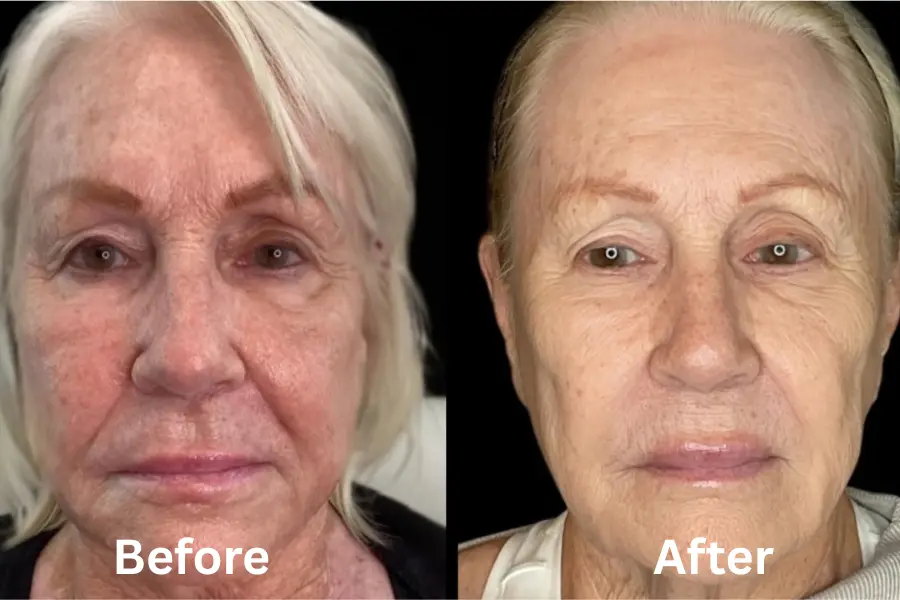
- Before-and-after results: Where available and appropriate, examples of previous results may help you understand what can realistically be expected.
- Aftercare guidance: The provider should explain how to care for your skin after treatment and what symptoms may require further attention.
- Clear expectations: Be cautious of providers who promise guaranteed or unrealistic results. A professional should explain both the potential benefits and limitations of treatment.
Taking time to compare providers and having a proper consultation can help you make a more informed decision about microneedling.
After microneedling, results and recovery can vary from person to person. If you are considering treatment, a professional consultation can help you understand whether it is right for your skin, what to expect, and how to care for it before and after treatment.






- Be Respectful
- Stay Relevant
- Stay Positive
- True Feedback
- Encourage Discussion
- Avoid Spamming
- No Fake News
- Don't Copy-Paste
- No Personal Attacks
- Be Respectful
- Stay Relevant
- Stay Positive
- True Feedback
- Encourage Discussion
- Avoid Spamming
- No Fake News
- Don't Copy-Paste
- No Personal Attacks
