How to Remove Milia at Home Safely: 10 Expert-Approved Tips
Published: 5 Jul 2026
Many people notice tiny white bumps on their face and assume they’re pimples. In many cases, however, these bumps are milia, small, harmless cysts filled with keratin that form just beneath the skin’s surface. They are common around the eyes, cheeks, nose, and forehead and can affect both adults and children.
If you’re looking for how to Remove Milia at Home Safely, you’re not alone. While milia often resolve on their own, many people want to remove them without damaging their skin. The good news is that a gentle skincare routine, the right ingredients, and a little patience can help improve their appearance safely.
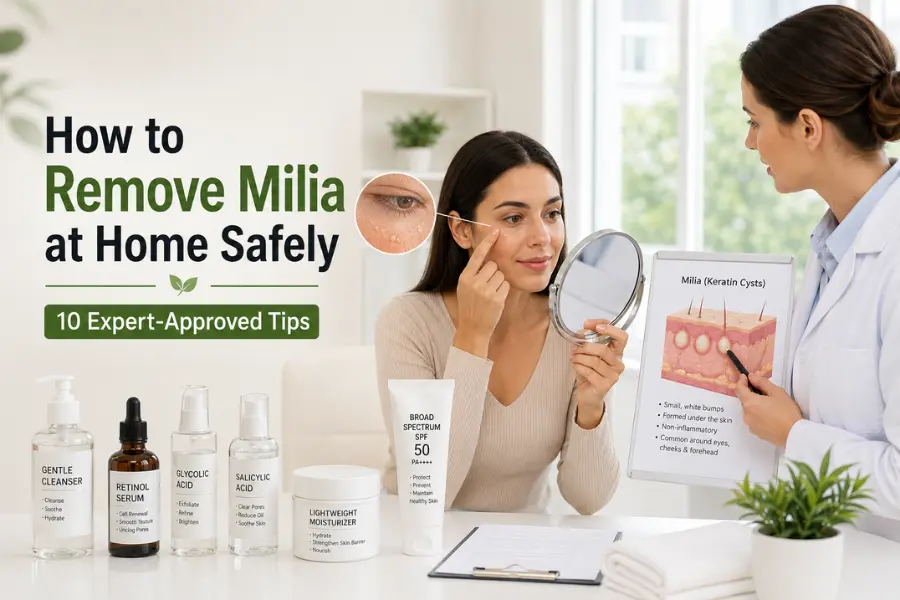
In this guide, you’ll learn what causes these small white bumps on the face, how to tell if they’re really milia, and 10 expert-approved tips for treating them at home. You’ll also discover what to avoid, when to seek professional treatment, and how to prevent milia from coming back.
What Are Milia?
If you’ve ever noticed tiny white bumps on the face that don’t look like pimples and won’t go away, they may be milia. So, what are milia? They are small, harmless cysts that form when keratin, a protein found in the skin, becomes trapped beneath the surface instead of shedding naturally. Unlike acne, milia are not caused by bacteria, excess oil, or clogged pores.
These small white bumps on the skin are very common and can affect people of all ages, from newborns to older adults. Although they are harmless, many people choose to remove them for cosmetic reasons, especially when they appear in noticeable areas of the face.
What Do Milia Look Like?
Milia appear as tiny white or yellowish-white bumps that are usually firm to the touch. They are typically about 1–2 millimeters in size and remain the same for weeks or even months. Unlike whiteheads, they don’t have an opening on the skin’s surface, which is why squeezing them usually doesn’t work.
Because they are painless and don’t become red or swollen, milia are often mistaken for acne or other skin conditions. Learning to recognize their appearance is the first step toward choosing the right treatment.
Are Milia Harmful?
The good news is that milia are not harmful. They are a common skin condition that doesn’t cause pain, itching, or infection in most cases. For many people, milia disappear naturally over time without any treatment.
However, if the bumps become persistent, increase in number, or affect your confidence, there are safe ways to remove milia at home or with the help of a dermatologist. Avoid picking or popping them yourself, as this can damage the skin and increase the risk of scarring.
Where Do Milia Commonly Appear?
Milia can develop almost anywhere on the body, but they are most commonly found on the face. The most frequent locations include the white bumps around the eyes, eyelids, cheeks, nose, forehead, and chin. These areas have delicate skin where keratin can become trapped more easily.
Although less common, milia may also appear on the neck, chest, or other parts of the body after skin irritation or injury. Knowing where milia usually develop can help you identify them correctly and choose the most effective skincare routine.
What Causes Small White Bumps on the Face?
Understanding the causes of milia can help you choose the right treatment and prevent new bumps from forming. In most cases, milia develop when keratin buildup becomes trapped beneath the skin’s surface instead of shedding naturally. While anyone can get milia, several factors can increase the likelihood of these small white bumps on the face.
Dead Skin Cells and Keratin Buildup
The most common cause of milia is the buildup of dead skin cells and keratin, a natural protein that helps protect your skin, hair, and nails. Normally, old skin cells shed on their own, but when they become trapped beneath the skin’s outer layer, they form tiny, hard cysts known as milia.
This process is completely normal and isn’t related to poor hygiene. Gentle exfoliation and a consistent skincare routine can help improve skin cell turnover and reduce the chance of new milia forming.
Heavy Skincare Products
Using thick moisturizers, heavy eye creams, or oil-rich skincare products may contribute to milia in some people. These products can create a barrier on the facial skin, making it more difficult for dead skin cells to shed naturally.
If you’re prone to milia, look for non-comedogenic and lightweight skincare products that won’t feel heavy on the skin. While these products don’t directly clog pores in the way acne develops, they may increase the likelihood that keratin becomes trapped.
Sun Damage
Long-term exposure to the sun can make the outer layer of your skin thicker and rougher. This can interfere with the skin’s natural shedding process, allowing dead skin cells and keratin to build up beneath the surface.
Wearing a broad-spectrum sunscreen every day helps protect your skin from UV damage and supports healthier skin renewal. Daily sun protection is one of the simplest ways to maintain healthy facial skin and reduce future skin concerns.
Skin Injuries or Burns
Milia can sometimes appear during skin healing after an injury. Burns, blisters, rashes, cosmetic procedures, or even aggressive skincare treatments may trigger what’s known as secondary milia.
As the skin repairs itself, keratin can become trapped beneath the new skin layer, resulting in small white bumps. These usually improve over time, but persistent cases may require professional treatment.
Genetics and Age
Some people are more likely to develop milia due to their genetics or skin type. Newborn babies frequently develop milia during their first few weeks of life, and adults can also experience them as skin renewal slows with age.
Older adults may notice milia more often because the skin doesn’t shed dead skin cells as efficiently as it once did. Although age and genetics can’t be changed, maintaining a gentle skincare routine can help minimize future keratin buildup and keep the skin looking healthy.
How to Tell If Your White Bumps Are Milia
Not every tiny facial bump is milia. Several skin conditions can look similar, making it difficult to identify the real cause without taking a closer look. Understanding the differences among milia, whiteheads, acne, and closed comedones can help you choose the right treatment and avoid products that may not work.
Milia vs. Whiteheads
Although milia and whiteheads may look alike at first, they are very different skin conditions. Milia are small cysts filled with keratin, while whiteheads are a type of acne caused by excess oil, dead skin cells, and clogged pores.
Whiteheads are usually softer and may eventually come to the skin’s surface. Milia, on the other hand, feel firm, stay beneath the skin, and don’t have an opening. Because of this, squeezing milia is usually ineffective and can lead to irritation or scarring.
Milia vs. Closed Comedones
Another condition often confused with milia is closed comedones. These are tiny clogged pores that develop when oil and dead skin cells become trapped beneath the skin. Unlike milia, closed comedones are acne-related and often appear in people with oily or acne-prone skin.
Milia contain trapped keratin rather than oil, so they tend to feel harder and remain unchanged for longer periods. Closed comedones may respond well to acne treatments such as salicylic acid or benzoyl peroxide, while milia often require gentle exfoliation, retinoids, or professional extraction if they don’t resolve on their own.
Milia vs. Acne
When comparing milia vs acne, the biggest difference is inflammation. Acne can cause redness, swelling, tenderness, and sometimes pus-filled pimples. Milia, however, are usually painless, non-inflammatory, and remain as small, white, pearl-like bumps beneath the skin.
If your bumps don’t hurt, don’t become inflamed, and have stayed the same size for weeks or months, they are more likely to be milia than acne. If you’re unsure, a dermatologist can examine your skin and recommend the safest treatment based on the exact condition.
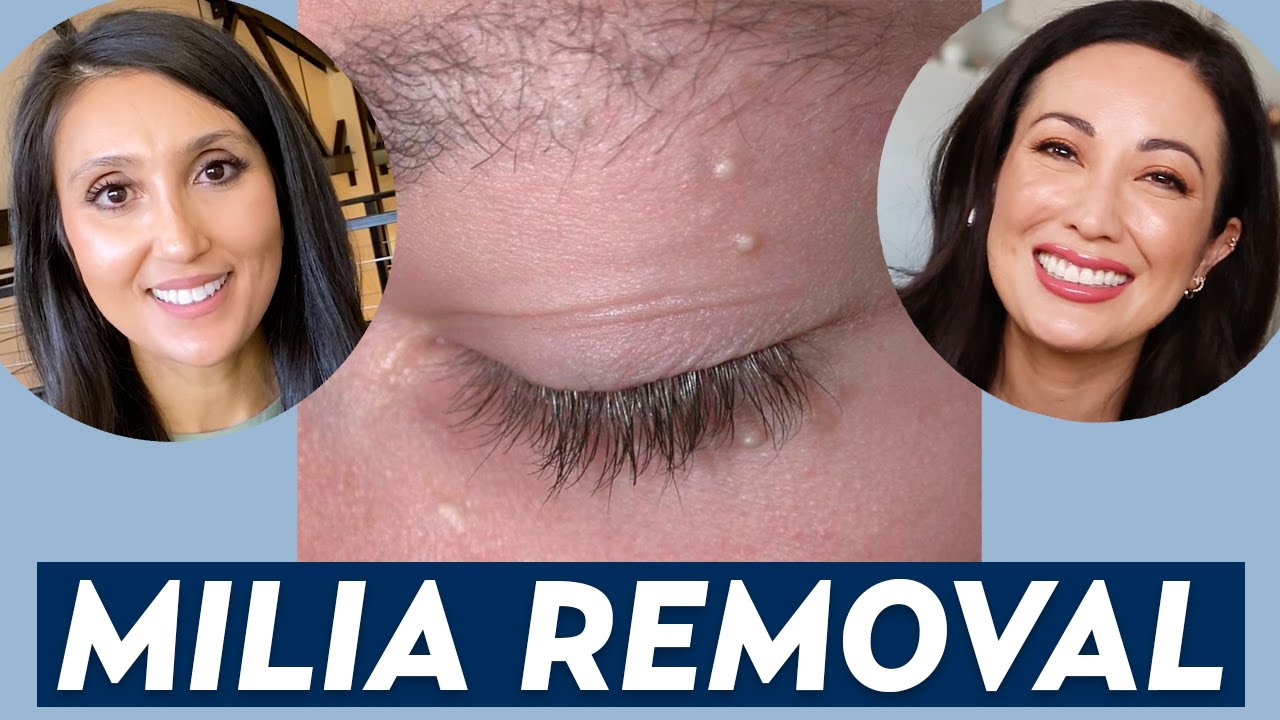
How Do You Remove Milia? A Dermatologist Shares Milia Treatment & Prevention Tips | DERM CHAT
10 Expert-Approved Tips for How to Remove Milia at Home Safely
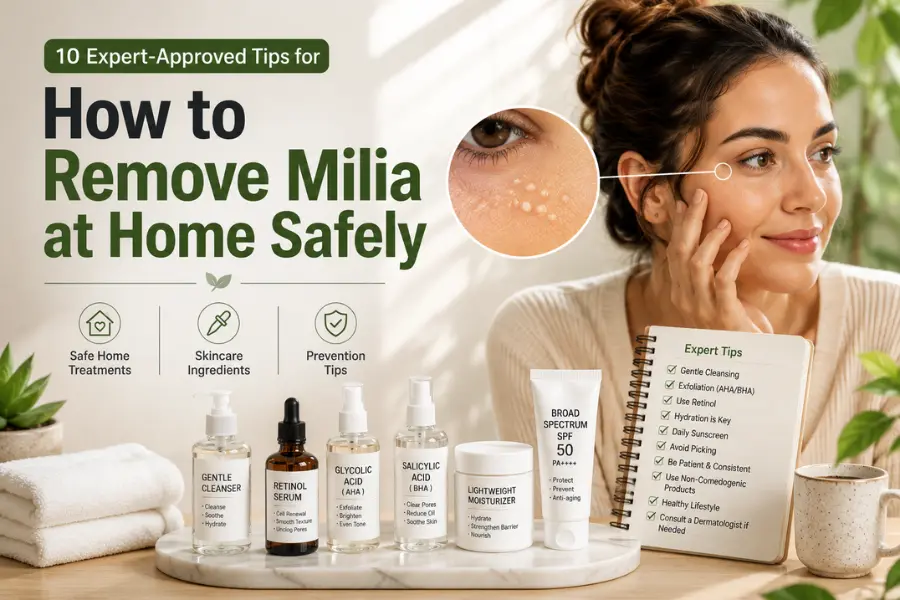
If you’re wondering how to Remove Milia at Home Safely, the key is to be gentle and patient. Unlike pimples, milia cannot simply be squeezed out because they are small cysts trapped beneath the skin. The following expert-approved tips can improve your skin’s natural renewal process, reduce existing milia, and help prevent new ones from forming.
1. Cleanse Your Face with a Gentle Cleanser
A gentle cleanser is the foundation of healthy skin. Washing your face twice a day removes dirt, excess oil, sunscreen, makeup, and environmental impurities that accumulate on the skin throughout the day. Keeping your skin clean also supports its natural renewal process.
Choose a fragrance-free, sulfate-free cleanser that won’t strip away your skin’s natural moisture barrier. Harsh cleansers can cause dryness and irritation, making your skin more vulnerable to other problems. Clean skin won’t remove milia overnight, but it’s an important first step toward healthier skin.
Pro Tip: Use lukewarm water instead of hot water, and gently pat your skin dry with a clean towel rather than rubbing it.
2. Exfoliate Regularly (But Gently)
One safe way to remove milia is to encourage your skin to shed dead skin cells naturally. Gentle exfoliation helps improve skin cell turnover, reducing the chance of keratin becoming trapped beneath the surface.
Avoid rough scrubs with large abrasive particles, as they can damage your skin barrier. Instead, exfoliate 1–2 times per week using mild chemical exfoliants or soft exfoliating products suitable for your skin type.
Over-exfoliating won’t make milia disappear faster. In fact, it can lead to irritation, redness, and increased skin sensitivity.
3. Use a Retinol Product
Retinol is one of the most recommended skincare ingredients for improving skin texture. It works by increasing skin cell turnover, helping your skin shed old cells more efficiently. Over time, this may reduce existing milia and lower the risk of new ones forming.
If you’re new to retinol, start with a low concentration and apply it only 2–3 nights per week. As your skin adjusts, you can gradually increase the frequency if needed.
Because retinol can make your skin more sensitive to sunlight, always apply a broad-spectrum sunscreen during the day. If you have sensitive skin, are pregnant, or are breastfeeding, consult a healthcare professional before using retinoids.
4. Try Chemical Exfoliants
Chemical exfoliants are often more effective and gentler than physical scrubs. Ingredients such as glycolic acid (AHA), lactic acid (AHA), and salicylic acid (BHA) help dissolve the bonds between dead skin cells, allowing them to shed naturally.
These ingredients smooth the skin’s surface and can improve the appearance of milia over time. Start with a lower concentration and use the product only a few times per week to avoid irritation.
When introducing any exfoliating acid, avoid combining multiple active ingredients on the same day unless advised by a dermatologist.
5. Wear Sunscreen Every Day
Daily sunscreen is essential for maintaining healthy skin. UV exposure can damage the skin’s outer layer, slow its natural renewal process, and contribute to a rough skin texture that may make milia more noticeable.
Choose a broad-spectrum SPF 30 or higher sunscreen and apply it every morning, even on cloudy days. Reapply every two hours if you’re spending extended time outdoors.
Consistent sun protection also helps reduce premature aging, dark spots, and other forms of sun damage.
6. Avoid Heavy Eye Creams
The delicate skin around the eyes is one of the most common places where milia develop. Thick, greasy eye creams and heavy moisturizers may leave excess product on the skin, increasing the chance that keratin becomes trapped.
Instead, choose lightweight, non-comedogenic eye creams that absorb easily. Apply only a small amount, and avoid layering multiple heavy products around the eye area.
If you’ve noticed milia appearing after changing skincare products, consider simplifying your routine for a few weeks.
7. Choose Non-Comedogenic Skincare Products
Using non-comedogenic skincare products can help reduce the likelihood of clogged pores and excessive product buildup. These products are designed to be lightweight and less likely to contribute to skin congestion.
When shopping for skincare, look for labels such as:
- Non-comedogenic
- Oil-free
- Fragrance-free (especially if you have sensitive skin)
- Dermatologist-tested
A simple skincare routine often works better than using too many active products at once.
8. Never Pick or Pop Milia
One of the biggest mistakes people make is trying to squeeze or pop milia at home. Unlike acne pimples, milia don’t have an opening, so forcing them out usually doesn’t work.
Using needles, pins, or your fingernails can cause:
- Skin infections
- Scarring
- Bleeding
- Hyperpigmentation
- Permanent skin damage
If a milium is stubborn or bothersome, it’s much safer to have it removed by a qualified dermatologist using sterile instruments.
9. Be Patient and Stay Consistent
Many people expect overnight results, but milia usually take time to improve. A consistent skincare routine that includes gentle cleansing, regular exfoliation, sun protection, and appropriate active ingredients is far more effective than trying aggressive treatments.
Some milia disappear on their own within a few weeks or months, while others may persist longer. Staying consistent with healthy skincare habits gives your skin the best chance to renew itself naturally.
Remember, the best treatment for milia at home is a gentle, long-term approach rather than quick fixes.
10. Know When to See a Dermatologist
Although many cases of milia are harmless, there are situations where professional treatment is the best option. If your milia don’t improve after several months, become widespread, or repeatedly return despite a good skincare routine, consult a dermatologist.
A dermatologist may recommend treatments such as:
- Professional milia extraction
- Prescription retinoids
- Chemical peels
- Laser treatment (in selected cases)
These procedures are performed under sterile conditions, reducing the risk of scarring or infection.
If you’re looking for how to Remove Milia at Home Safely, focus on gentle skincare rather than aggressive treatments. The best at-home treatment for milia includes cleansing your skin, exfoliating carefully, using ingredients like retinol and chemical exfoliants, wearing sunscreen every day, and resisting the temptation to squeeze the bumps. These safe ways to remove milia won’t produce instant results, but they can gradually improve your skin while helping prevent milia naturally. If home care isn’t enough, don’t hesitate to seek advice from a dermatologist for safe and effective removal.
Home Remedies for Milia: Do They Really Work?
Many people prefer trying natural remedies for milia before considering professional treatment. While some home remedies may support healthy skin and improve the skin’s natural renewal process, it’s important to understand that no home remedy can instantly remove milia. Because milia are tiny cysts filled with keratin beneath the skin, they usually require time, patience, and consistent skincare.
If you’re looking for a home treatment for milia, the following remedies may help maintain healthy skin and encourage natural exfoliation. However, avoid expecting overnight results, and never attempt to cut or squeeze milia yourself.
Warm Compress
A warm compress is one of the safest home remedies you can try. Applying a clean, warm (not hot) washcloth to the affected area for 5–10 minutes may help soften the skin’s outer layer and support its natural healing process.
Although a warm compress won’t remove milia directly, it can improve circulation and prepare the skin for a gentle skincare routine. Always use a clean cloth to reduce the risk of irritation or infection.
Honey
Honey is well known for its natural moisturizing and antibacterial properties. While there’s no strong scientific evidence that honey removes milia, it may help soothe dry or irritated skin and support overall skin health.
To use honey safely, apply a thin layer of raw or medical-grade honey to clean skin for about 10–15 minutes, then rinse with lukewarm water. If you have sensitive skin or a known allergy to honey or bee products, avoid this remedy.
Aloe Vera
Aloe vera is a popular skincare ingredient because of its soothing and hydrating effects. It may help calm irritated skin and strengthen the skin barrier, making it a gentle addition to your skincare routine.
Apply a small amount of pure aloe vera gel to the affected area once or twice daily. While aloe vera won’t dissolve milia, it may promote healthier-looking skin and reduce irritation from other skincare products.
Steam Treatment
A gentle steam treatment may help loosen surface debris and soften the skin’s outer layer before cleansing or exfoliating. Fill a bowl with warm water or take a warm shower, allowing the steam to reach your face for 5–10 minutes.
Be careful not to expose your skin to excessive heat, as hot steam can cause redness or irritation. Steam alone won’t remove milia, but it can complement a gentle skincare routine when used occasionally.
Home Remedies You Should Avoid
Not every DIY milia treatment you see online is safe. Some popular internet remedies can seriously damage your skin without removing the milia.
Avoid these methods:
- Popping or squeezing milia with your fingers.
- Using needles, pins, or sharp tools at home.
- Applying toothpaste to the bumps.
- Using lemon juice directly on the skin, as it can cause irritation and increase sun sensitivity.
- Scrubbing aggressively with harsh exfoliants.
- Applying undiluted essential oils without professional guidance.
These methods can lead to infection, scarring, skin discoloration, and irritation, while the milia often remain unchanged.
When it comes to natural remedies for milia, it’s important to have realistic expectations. Gentle options like warm compresses, honey, aloe vera, and occasional steam treatment may support healthy skin, but they are not proven cures for milia. The most effective home treatment for milia combines a gentle skincare routine with patience, proper exfoliation, and dermatologist-recommended ingredients such as retinoids or mild chemical exfoliants. If milia persist or become bothersome, professional removal remains the safest and most effective solution.
Best Skincare Ingredients for Milia
Choosing the right skincare ingredients can make a noticeable difference if you’re dealing with milia. While no topical product can instantly remove existing milia, certain ingredients help improve skin cell turnover, gently exfoliate the skin, and support a healthy skin barrier. Over time, these benefits may reduce the appearance of milia and help prevent new ones from forming.
Here are the most effective dermatologist-recommended ingredients to look for in your skincare routine.
Retinol
Retinol is one of the most trusted ingredients for improving skin texture and encouraging faster cell turnover. It helps the skin shed old, dead cells more efficiently, reducing the chance of keratin becoming trapped beneath the surface.
If you’re new to retinol, start with a low-strength formula and apply it two or three nights a week. Since retinol can make your skin more sensitive to sunlight, always apply sunscreen during the day to protect your skin from UV damage.
Salicylic Acid
Salicylic Acid is a beta-hydroxy acid (BHA) that penetrates into the pores to remove excess oil and dead skin cells. Although milia aren’t caused by clogged pores like acne, salicylic acid helps keep the skin clear and supports healthy exfoliation.
It’s especially helpful if you have oily or acne-prone skin along with milia. Start with a low concentration and avoid overuse, as excessive use may cause dryness or irritation.
Glycolic Acid
Glycolic Acid is an alpha-hydroxy acid (AHA) known for its ability to gently exfoliate the skin’s surface. It loosens the bonds between dead skin cells, allowing them to shed more easily and revealing smoother, brighter skin underneath.
Regular use of glycolic acid may improve uneven skin texture and reduce the likelihood of future milia. Beginners should use it once or twice per week, then gradually increase the frequency if their skin tolerates it well.
Lactic Acid
If you have sensitive or dry skin, Lactic Acid is an excellent alternative to stronger exfoliating acids. It provides gentle exfoliation while helping the skin retain moisture, reducing the risk of irritation.
Because it is milder than glycolic acid, lactic acid is often a good option for people who want smoother skin without excessive dryness. Consistent use may support healthy skin renewal over time.
Niacinamide
Niacinamide, also known as Vitamin B3, is a multitasking skincare ingredient that strengthens the skin barrier, reduces redness, balances oil production, and improves overall skin health.
Although niacinamide doesn’t remove milia directly, it works well alongside ingredients like retinol and exfoliating acids to help keep skin calm and hydrated. It’s suitable for most skin types and can easily be added to both morning and evening skincare routines.
Ceramides
Healthy skin starts with a strong skin barrier, and Ceramides play an important role in maintaining it. These naturally occurring lipids help lock in moisture, prevent dryness, and protect the skin from environmental damage.
When using active ingredients such as retinol or exfoliating acids, ceramides help reduce irritation and keep the skin balanced. Moisturizers containing ceramides are especially beneficial for people with dry or sensitive skin.
Don’t Forget Sunscreen
No skincare routine for milia is complete without Sunscreen. Daily sun protection helps prevent UV damage, supports healthy skin renewal, and protects your skin while using active ingredients like retinol and exfoliating acids.
Choose a broad-spectrum sunscreen with SPF 30 or higher and apply it every morning, even on cloudy days. If you’re spending time outdoors, reapply every two hours. Consistent sun protection not only supports healthier skin but also helps maximize the benefits of your other skincare products.
What Not to Do When Removing Milia
When trying to remove milia at home safely, it’s just as important to know what not to do. Many DIY methods found online can do more harm than good, leading to irritation, infection, or permanent scarring. Since milia are small cysts trapped beneath the skin, they should always be treated with care.
Don’t Squeeze Milia
A common question people ask is, “Can you pop milia?” The simple answer is no. Unlike pimples or whiteheads, milia don’t have an opening on the skin’s surface, so squeezing them usually won’t remove the trapped keratin.
Trying to force them out with your fingers can damage the surrounding skin, cause redness, and even leave scars or dark spots. If a milium doesn’t go away on its own, it’s much safer to let a dermatologist remove it using sterile tools.
Don’t Use Needles at Home
Some online tutorials suggest using a sterilized needle to remove milia, but this is not recommended. Even if the needle appears clean, using sharp tools without proper training can introduce bacteria into the skin and increase the risk of infection.
You may also accidentally puncture healthy skin, causing unnecessary pain, bleeding, or permanent scarring. Professional milia extraction is performed under hygienic conditions and is much safer than attempting it yourself.
Avoid Harsh Scrubs
It may seem like scrubbing your face harder will help remove milia, but this approach can actually make your skin worse. Rough facial scrubs with large, abrasive particles can damage the skin barrier, causing irritation and inflammation.
Instead of aggressive scrubbing, choose gentle chemical exfoliants or mild exfoliating products that encourage natural skin cell turnover. Healthy skin responds much better to consistent, gentle care than harsh treatments.
Don’t Over-Exfoliate
Exfoliation is beneficial, but more isn’t always better. Using exfoliating acids or scrubs too often can strip away your skin’s natural protective barrier, leaving it dry, sensitive, and irritated.
Most people only need to exfoliate 1 to 3 times per week, depending on their skin type and the product they use. Giving your skin enough time to recover is essential to removing milia safely.
If you’re wondering, “Is it safe to remove milia at home?”, the answer is yes, but only with gentle, evidence-based skincare methods. Avoid picking, cutting, or over-treating your skin, and seek professional advice if milia persist or become widespread.
Professional Milia Removal Options
While many cases of milia improve with a consistent skincare routine, some bumps can remain for months or even years. If home care doesn’t work or the milia are widespread, a dermatologist may recommend professional milia removal. These treatments are performed using sterile techniques, making them much safer than trying to remove milia yourself.
Manual Extraction
Milia extraction is the most common and effective treatment performed by dermatologists. During the procedure, the doctor uses a sterile needle or a specialized medical blade to create a tiny opening in the skin. The trapped keratin is then carefully removed using a comedone extractor or another sterile instrument.
The procedure is usually quick, causes minimal discomfort, and often requires little to no downtime. Because it is performed by a trained professional, the risk of infection or scarring is much lower than with at-home extraction.
Chemical Peels
A dermatologist may recommend chemical peels for people with multiple milia or recurring skin texture concerns. These treatments use carefully controlled acids, such as glycolic acid or salicylic acid, to exfoliate the skin’s outer layer and promote healthy cell turnover.
Chemical peels don’t instantly remove every milium, but they can improve overall skin texture and help reduce the formation of new milia over time. Your dermatologist will choose the strength of the peel based on your skin type and concerns.
Laser Treatment
For persistent or difficult-to-treat cases, laser treatment may be an option. Certain dermatology lasers can precisely target affected areas while minimizing damage to the surrounding skin.
Laser treatment isn’t necessary for most people with milia, but it may be recommended when other treatments haven’t been successful or when milia occur alongside other skin conditions. Your dermatologist will determine whether you’re a suitable candidate after evaluating your skin.
Cryotherapy (When Appropriate)
Cryotherapy involves using extremely cold liquid nitrogen to treat certain skin conditions. Although it’s commonly used for warts and some benign skin growths, it is not a routine treatment for milia.
In rare cases, a dermatologist may recommend cryotherapy if it’s appropriate for a specific type of lesion or if another skin condition is present. Because freezing the skin can sometimes cause irritation or pigmentation changes, this treatment should only be performed by a qualified medical professional.
If you’re considering dermatologist milia treatment, it’s best to schedule an evaluation rather than attempting DIY removal. A dermatologist can confirm that the bumps are truly milia and recommend the safest and most effective treatment based on your skin type, the number of milia, and their location.
How to Prevent Milia from Coming Back
Although it’s not always possible to completely prevent milia, adopting the right skincare habits can significantly reduce the chances of new bumps forming. The goal is to keep your skin healthy, encourage natural cell turnover, and avoid products that may contribute to keratin buildup. A few simple changes to your daily routine can make a noticeable difference over time.
Build a Consistent Skincare Routine
One of the best strategies for preventing milia is to follow a simple, consistent skincare routine. Cleanse your face twice a day with a gentle cleanser, moisturize according to your skin type, and apply sunscreen every morning.
Avoid switching skincare products too often or layering too many active ingredients at once. Consistency is more effective than using multiple treatments that may irritate your skin.
Exfoliate Weekly
Regular exfoliation helps remove dead skin cells before they can become trapped beneath the skin. Gentle exfoliation once or twice a week is usually enough for most skin types to support healthy skin renewal.
Choose mild chemical exfoliants, such as glycolic acid, lactic acid, or salicylic acid, instead of harsh physical scrubs. Over-exfoliating can damage your skin barrier, so always follow the product instructions and adjust the frequency based on how your skin responds.
Use Lightweight Moisturizers
Keeping your skin hydrated is important, but heavy creams aren’t always the best choice if you’re prone to milia. Thick, greasy products may sit on the skin’s surface and contribute to keratin buildup, especially around the delicate eye area.
Instead, choose lightweight, non-comedogenic skincare products that provide hydration without feeling heavy. Gel-based or lightweight lotion formulas are often a good option for most skin types.
Wear SPF Daily
Daily SPF is essential for maintaining healthy skin. Sun exposure can slow the skin’s natural renewal process and contribute to rough or damaged skin over time.
Apply a broad-spectrum sunscreen with SPF 30 or higher every morning, even when it’s cloudy or you’re indoors near windows. Regular sun protection supports smoother skin, prevents premature aging, and complements your other skincare routine.
Avoid Pore-Clogging Products
Some skincare and makeup products contain heavy oils or ingredients that may not suit everyone, particularly those prone to milia. Choosing products labeled non-comedogenic, oil-free, or lightweight can help reduce unnecessary buildup on the skin.
It’s also a good idea to remove makeup thoroughly before bed and regularly clean makeup brushes and applicators. Keeping both your skin and beauty tools clean supports a healthy skincare routine and may help reduce the risk of future milia.
With the right daily habits, you can improve your skin’s overall health and reduce the likelihood of milia returning. While no prevention method is guaranteed, a gentle, consistent routine is the most effective long-term approach.
FAQs
If you still have questions about milia, you’re not alone. Below are answers to some of the most common questions about their causes, treatment, prevention, and when it’s time to seek professional care.
Yes. Milia can disappear on their own, especially in newborns and some adults. As the skin naturally renews itself, the trapped keratin may gradually work its way to the surface.
Milia are more likely to clear without treatment if they are:
- Small and superficial
- Not caused by skin injury
- Present in newborn babies
- Not repeatedly irritated or picked
If the bumps remain for several months or continue to increase, it’s a good idea to consult a dermatologist.
Yes. Retinol is one of the most effective skincare ingredients for improving skin cell turnover. With consistent use, it may help reduce the appearance of milia and lower the risk of new ones forming.
The benefits of retinol include:
- Promotes faster skin renewal
- Helps remove dead skin cells
- Improves overall skin texture
- May help prevent future milia
Start with a low-strength retinol and always apply sunscreen during the day.
No. It’s not safe to remove milia with a needle at home. Even a sterilized needle can introduce bacteria into the skin or cause unnecessary injury.
Possible risks include:
- Skin infection
- Scarring
- Bleeding
- Hyperpigmentation
- Permanent skin damage
Professional milia extraction performed by a dermatologist is much safer.
There’s no fixed timeline. Some milia disappear naturally within a few weeks, while others may last for several months.
Recovery depends on factors such as:
- Your age
- Skin type
- The type of milia
- Your skincare routine
Being consistent with gentle skincare may help the skin renew itself more efficiently.
The quickest and safest solution is professional extraction by a dermatologist. If you prefer home care, improvement is gradual rather than immediate.
Safe options include:
- Using retinol
- Gentle chemical exfoliation
- Daily sunscreen
- A consistent skincare routine
Avoid squeezing, cutting, or popping milia yourself.
Yes. Although milia are often seen in babies, they are also very common in adults.
Adult milia may develop because of:
- Keratin buildup
- Sun damage
- Heavy skincare products
- Skin injuries
- Natural aging
They most commonly appear around the eyes, cheeks, forehead, and nose.
Yes. Children and newborn babies can both develop milia.
Here’s what to know:
- Newborn milia are very common.
- They usually disappear without treatment.
- Older children can also develop milia, although it’s less common.
- Persistent or widespread bumps should be examined by a healthcare professional.
In most cases, milia in children are harmless and don’t require treatment unless advised by a doctor.
Hopefully, these FAQs have answered your most common concerns about milia. With the right skincare routine and safe treatment methods, you can manage milia effectively. If you’re ever unsure about a skin condition or your symptoms persist, don’t hesitate to consult a qualified dermatologist.
Conclusion
Learning how to Remove Milia at Home Safely starts with understanding that gentle, consistent skincare is far more effective than quick fixes. Cleansing your face with a mild cleanser, exfoliating regularly, using ingredients like retinol and chemical exfoliants, wearing sunscreen daily, and choosing non-comedogenic skincare products can all help improve your skin over time.
The 10 expert-approved tips in this guide are designed to support your skin’s natural renewal process while reducing the risk of new milia forming. Remember that results won’t happen overnight, so patience and consistency are essential for achieving healthier, smoother-looking skin.
Most importantly, never try to squeeze, pop, or remove milia with a needle at home. DIY extraction can lead to infection, scarring, and unnecessary skin damage. If your milia don’t improve after several months, become widespread, or keep coming back, schedule an appointment with a dermatologist. Professional evaluation and treatment are the safest ways to remove stubborn milia and keep your skin looking its best.




- Be Respectful
- Stay Relevant
- Stay Positive
- True Feedback
- Encourage Discussion
- Avoid Spamming
- No Fake News
- Don't Copy-Paste
- No Personal Attacks
- Be Respectful
- Stay Relevant
- Stay Positive
- True Feedback
- Encourage Discussion
- Avoid Spamming
- No Fake News
- Don't Copy-Paste
- No Personal Attacks
