Can Tap Water Affect My Skin? Causes, Signs, and Solutions
Published: 7 Aug 2026
Many people ask, can tap water affect my skin? The answer is yes, but it depends on several factors, including your water quality, whether you have hard water or soft water, and your skin type. While some people wash their face with tap water every day without any problems, others may experience dry skin, irritation, tightness, or even breakouts after cleansing.
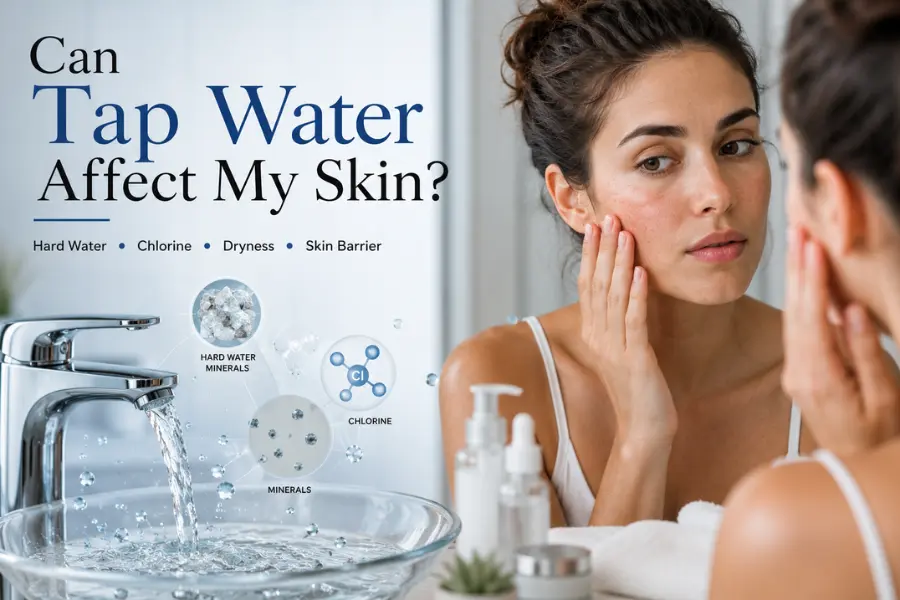
In this guide, you’ll learn how tap water affects your skin, the difference between hard water and soft water, how minerals and chlorine can impact your skin barrier, who is most likely to notice skin problems, and the best ways to protect your skin with a simple, effective skincare routine.
What Is Tap Water?
Tap water is the water that comes from your home’s faucets. It is treated by local water suppliers to make it safe for drinking, cooking, and washing. Before reaching your home, the water goes through several cleaning steps to remove harmful bacteria, viruses, and other contaminants.
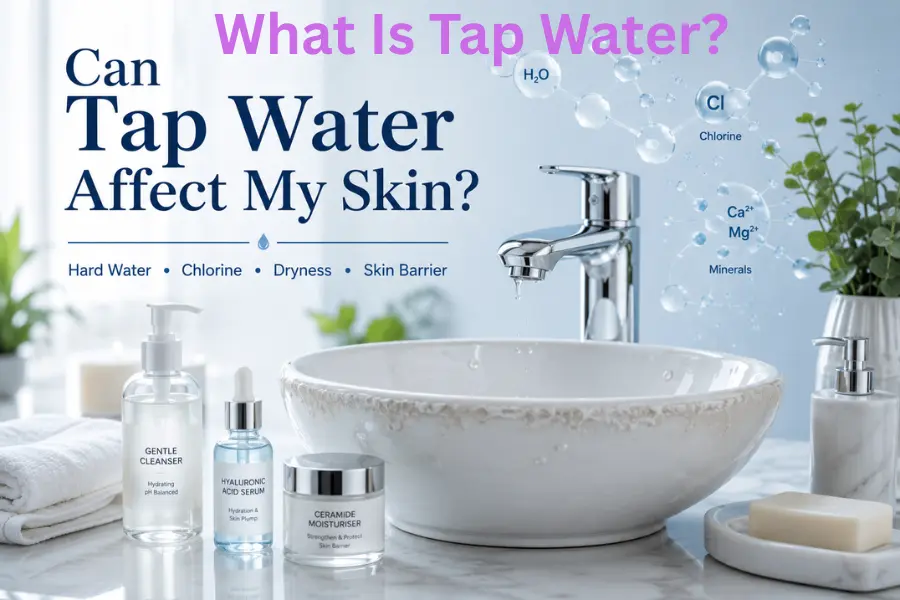
Although tap water is generally safe, its quality can vary depending on where you live. The amount of minerals, chlorine, and other substances in the water may affect how your skin feels after washing.
Where Tap Water Comes From
Most tap water comes from natural sources such as rivers, lakes, reservoirs, and underground groundwater. Water treatment plants clean and disinfect the water before sending it through pipes to homes and businesses.
The source of your water can influence its mineral content and hardness, which may play a role in your skin health.
Common Minerals and Chemicals in Tap Water
Tap water naturally contains different minerals and treatment chemicals. The exact amount varies by location.
Some of the most common include:
- Calcium – A natural mineral that makes water hard.
- Magnesium – Another mineral that contributes to hard water.
- Chlorine – Added to kill harmful germs and keep water safe.
- Fluoride – Often added to help protect teeth from cavities.
- Sodium – May be present in small amounts in some water supplies.
- Trace minerals – Such as potassium, iron, and zinc, depending on the local water source.
These minerals and chemicals are usually safe at regulated levels. However, people with dry skin, sensitive skin, or a weakened skin barrier may notice that certain types of tap water, especially hard water, leave their skin feeling dry, tight, or irritated after washing.
Can Tap Water Affect My Skin?
Yes, tap water can affect your skin, but it does not affect everyone in the same way. The impact depends on your water quality, whether you have hard water or soft water, and your skin type. For most people, tap water is safe for daily washing. However, some may experience dryness, irritation, or breakouts, especially if they have sensitive skin or a damaged skin barrier.
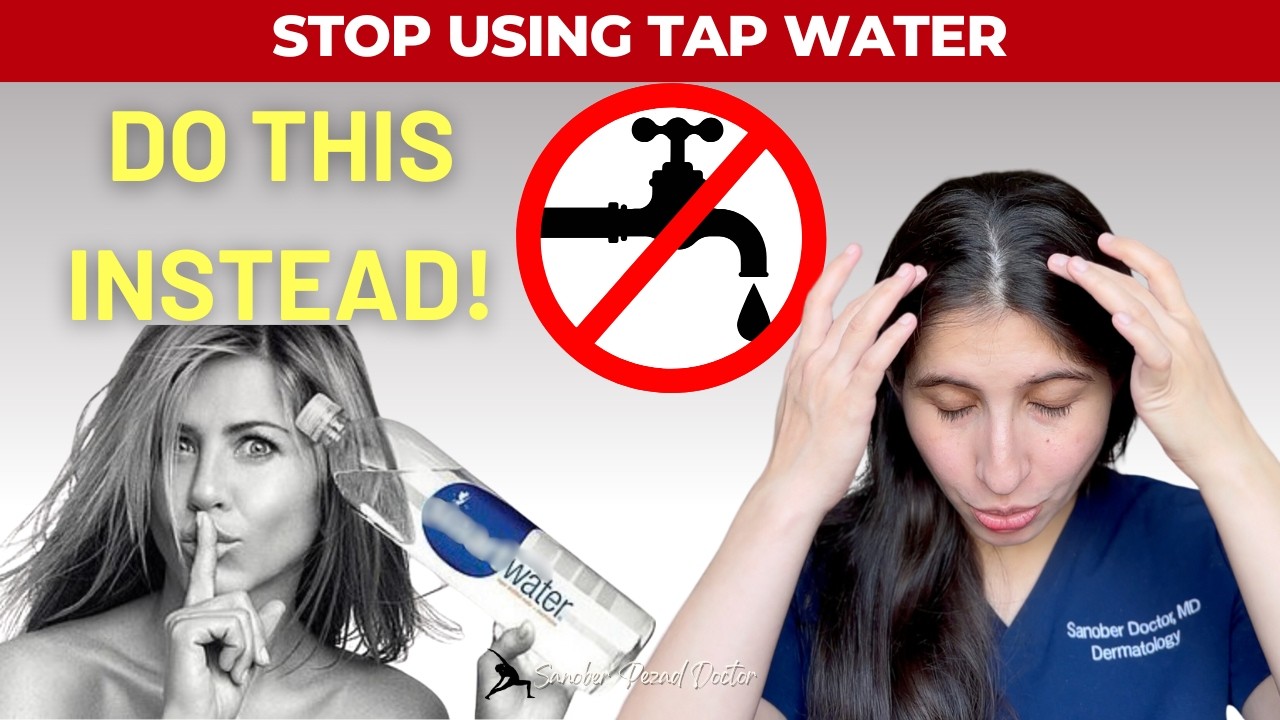
Is Tap Water Damaging Your Skin & Hair? Dr. Sanober Pezad Doctor
Why Some People Notice Skin Changes
Some people are more sensitive to the minerals and chemicals found in tap water. For example, hard water contains higher levels of calcium and magnesium, which can leave a residue on the skin. This residue may make it harder to rinse away cleansers completely, leading to dry skin, tightness, or irritation.
In some areas, chlorine is also added to keep water safe. While it is used in safe amounts, frequent exposure may contribute to skin dryness, especially in people with eczema, rosacea, or sensitive skin.
Why Others Experience No Problems
Many people wash with tap water every day without noticing any skin issues. If you have a healthy skin barrier, normal skin, or live in an area with soft water, your skin may not react at all.
Using a gentle cleanser, applying a moisturiser after washing, and following a consistent skincare routine can also help protect your skin from any minor effects of tap water. This is why the same water may cause discomfort for one person but have little or no effect on someone else.
How Hard Water Can Affect Your Skin
Hard water contains higher amounts of calcium and magnesium than soft water. While these minerals are not harmful to your health, they can affect how your skin feels after washing. Hard water may leave a thin mineral residue on the skin, making it more difficult to rinse away cleansers completely. Over time, this can contribute to several common skin problems, especially if you have dry, sensitive, or eczema-prone skin.
Dryness
One of the most common effects of hard water is dry skin. Mineral deposits left on the skin can reduce moisture and make it harder for your skin to stay hydrated. As a result, your skin may feel rough, dry, or flaky, particularly after washing your face or taking a shower.
Skin Tightness
If your face feels tight after washing, hard water could be one of the reasons. The minerals in the water may leave behind a residue that prevents your skin from feeling clean and comfortable. This tight feeling is often a sign that your skin needs more moisture and a hydrating moisturiser.
Irritation
People with sensitive skin may notice more redness, itching, or irritation when using hard water regularly. The mineral buildup can increase friction during cleansing and may make the skin more reactive. Using a gentle cleanser and avoiding very hot water can help reduce irritation.
Eczema Flare-Ups
Some studies suggest that hard water may make eczema symptoms worse in certain people. The minerals can weaken the skin’s natural protection, making it easier for the skin to lose moisture and become irritated. If you have eczema, keeping your skin well moisturised and using barrier-repair skincare products may help reduce flare-ups.
Acne Concerns
Hard water does not directly cause acne, but it may contribute to breakouts in some people. Mineral residue can make it harder to remove oil, dirt, and cleanser completely. This buildup may clog pores over time, especially if you already have oily or acne-prone skin. A proper cleansing routine can help minimise this risk.
Weakened Skin Barrier
Your skin barrier is the outer layer that protects your skin and locks in moisture. Frequent exposure to hard water may weaken this protective barrier in some people, leading to dryness, sensitivity, and irritation. Supporting your skin barrier with ingredients like ceramides, glycerin, and hyaluronic acid can help keep your skin healthy and hydrated.
Can Soft Water Be Better for Skin?
Soft water contains lower levels of calcium and magnesium, so it does not leave as much mineral residue on the skin as hard water. Many people find that it helps cleansers rinse off more easily, leaving the skin feeling cleaner and smoother. However, whether soft water is better depends on your skin type and personal experience.
Easier on Dry and Sensitive Skin
People with dry skin, sensitive skin, or eczema may find soft water more comfortable. It is less likely to leave mineral deposits behind, which can help reduce dryness, tightness, and irritation after washing.
It Is Not a Cure for Skin Problems
While soft water may improve how your skin feels, it will not treat conditions like acne, eczema, or rosacea on its own. A gentle skincare routine, regular use of a moisturiser, and products that support the skin barrier are still the most important steps for maintaining healthy skin.
Signs That Tap Water May Be Affecting Your Skin
If your tap water is affecting your skin, you may notice changes soon after washing your face or taking a shower. These symptoms are more common in people with hard water, dry skin, or sensitive skin. While these signs can also have other causes, they may indicate that your water quality is playing a role.
- Dry patches: Your skin may develop rough, flaky areas that feel dry even after using a moisturiser.
- Itching: You may experience mild to frequent itching, especially after washing with tap water.
- Redness: Your skin may look red or become irritated more easily, particularly if you have sensitive skin or rosacea.
- Tight feeling after cleansing: If your face feels tight or uncomfortable after washing, it could be a sign that your skin is losing moisture.
- Increased sensitivity: Your skin may react more strongly to skincare products or environmental factors because of a weakened skin barrier.
- More frequent breakouts: While tap water does not directly cause acne, mineral residue and incomplete cleansing may contribute to clogged pores and occasional breakouts in some people.
If you notice several of these symptoms regularly, consider reviewing your skincare routine, using a gentle cleanser, and applying a barrier-supporting moisturiser after washing.
Who Is Most Likely to Be Affected?
Although tap water is safe for most people, some individuals are more likely to notice its effects. People with a weaker skin barrier or existing skin conditions may be more sensitive to hard water, chlorine, and other minerals found in the water.
Dry Skin
People with dry skin are more likely to feel the effects of hard water. The minerals in the water may reduce moisture, leaving the skin feeling tight, rough, or flaky after washing. Using a hydrating moisturiser can help restore lost moisture.
Sensitive Skin
If you have sensitive skin, your skin may react more easily to the minerals or chemicals in tap water. You may notice redness, itching, or irritation, especially after frequent washing. A gentle skincare routine can help reduce discomfort.
Eczema-Prone Skin
People with eczema-prone skin may find that hard water makes their symptoms worse. It can increase dryness and weaken the skin barrier, making flare-ups more likely. Keeping the skin well moisturised and using barrier-repair products may help protect the skin.
Rosacea
Those with rosacea may experience increased redness, burning, or stinging after washing with tap water, especially if the water is very hot or contains higher levels of chlorine. Washing with lukewarm water and using gentle skincare products can help minimise irritation.
Babies and Children
Babies and young children have a more delicate skin barrier than adults. If they have dry skin or eczema, hard water may increase dryness and irritation. Using mild, fragrance-free skincare products and applying a baby-safe moisturiser after bathing can help keep their skin healthy.
Does Chlorine in Tap Water Affect Skin?
Chlorine is added to tap water to kill harmful bacteria and make the water safe for everyday use. The amount used is carefully regulated and is considered safe for drinking and washing. However, some people may notice that chlorine affects how their skin feels, especially after frequent exposure.
How Chlorine Can Affect Your Skin
For people with dry skin, sensitive skin, eczema, or rosacea, chlorine may strip away some of the skin’s natural oils. This can cause dryness, tightness, itching, or mild irritation. Repeated exposure may also weaken the skin barrier, making the skin more sensitive over time.
How to Reduce Chlorine’s Effects
If you think chlorine is affecting your skin, wash with lukewarm water instead of hot water and use a gentle cleanser that won’t strip away moisture. Apply a moisturiser immediately after washing to help lock in hydration. If you have ongoing concerns, a shower filter may help reduce chlorine exposure, although it is not necessary for everyone.
Can Tap Water Make Acne Worse?
Tap water does not directly cause acne, but in some cases, it may make existing breakouts more difficult to manage. This is more likely if you have hard water, oily skin, or acne-prone skin. The minerals in hard water can leave a residue on the skin, which may affect how well your cleanser works.
How Hard Water May Contribute to Breakouts
Hard water can make it more difficult to remove oil, dirt, sunscreen, and makeup completely. If residue remains on the skin, it may mix with excess oil and increase the chance of clogged pores, which can contribute to breakouts. However, hard water is not considered a direct cause of acne.
How to Protect Acne-Prone Skin
If you have acne-prone skin, wash your face with a gentle cleanser twice a day and avoid scrubbing too hard. Use a lightweight, non-comedogenic moisturiser to keep your skin barrier healthy, and choose skincare products with ingredients like salicylic acid or niacinamide if they suit your skin. A consistent skincare routine is more important than changing your water source in most cases.
How to Protect Your Skin from Tap Water
If you think tap water is affecting your skin, a few simple changes to your skincare routine can help reduce dryness, irritation, and tightness. These tips can also help keep your skin barrier healthy, even if you live in an area with hard water.
Use a Gentle Cleanser
Choose a gentle cleanser that removes dirt, oil, and makeup without stripping your skin’s natural moisture. Avoid harsh soaps that can leave your skin feeling even drier after washing.
Apply Moisturiser Immediately
Apply a moisturiser within a few minutes of washing your face or showering. This helps lock in moisture and supports your skin barrier, reducing dryness and tightness.
Avoid Very Hot Water
Wash your face and body with lukewarm water instead of very hot water. Hot water can remove your skin’s natural oils, making dry skin and sensitive skin worse.
Install a Shower Filter
If you have hard water or are concerned about chlorine, a shower filter may help reduce some impurities. While it is not essential for everyone, some people notice softer-feeling skin after using one.
Strengthen Your Skin Barrier
A healthy skin barrier helps protect your skin from moisture loss and irritation. Use skincare products that contain ceramides, niacinamide, or panthenol to support your skin’s natural protective layer.
Use Hydrating Ingredients
Look for products with hyaluronic acid, glycerin, squalane, and ceramides. These hydrating ingredients help attract and retain moisture, leaving your skin feeling softer, smoother, and better protected from the effects of tap water.
Best Skincare Ingredients If Tap Water Dries Your Skin
If tap water leaves your skin feeling dry, tight, or irritated, choosing the right skincare ingredients can make a big difference. These ingredients help restore moisture, strengthen the skin barrier, and keep your skin healthy.
Ceramides
Ceramides are natural lipids that help repair and protect the skin barrier. They reduce moisture loss and keep the skin soft, making them an excellent choice for dry skin and sensitive skin.
Hyaluronic Acid
Hyaluronic acid is a powerful hydrating ingredient that attracts and holds water in the skin. It helps improve hydration, leaving the skin feeling smooth, plump, and comfortable after cleansing.
Glycerin
Glycerin is a gentle humectant that draws moisture into the skin. It helps prevent dryness, improves skin softness, and supports a healthy skin barrier.
Niacinamide
Niacinamide, also known as vitamin B3, helps strengthen the skin barrier, reduce redness, and improve overall skin texture. It is suitable for most skin types, including sensitive and acne-prone skin.
Squalane
Squalane is a lightweight moisturising ingredient that helps lock in hydration without feeling greasy. It softens the skin and protects it from moisture loss, making it ideal for daily use.
Panthenol
Panthenol, also called provitamin B5, helps soothe irritated skin, improve hydration, and support the skin’s natural healing process. It is especially helpful for people with dry, sensitive, or weakened skin barriers.
Using products that contain these skincare ingredients, along with a gentle cleanser and a daily moisturiser, can help reduce the effects of tap water and keep your skin healthy and hydrated.
Tap Water vs Filtered Water for Skin
Both tap water and filtered water can be used to wash your face. The main difference is that filtered water may reduce some impurities, such as chlorine and certain minerals, depending on the type of filter. However, for most people, a good skincare routine is more important than the type of water they use.
| Feature | Tap Water | Filtered Water |
| Mineral Content | May contain higher levels of calcium and magnesium, especially in hard water areas. | Often contains fewer minerals if the filter is designed to reduce them. |
| Chlorine | Usually contains regulated amounts of chlorine to keep water safe. | Many filters can reduce chlorine, depending on the filter type. |
| Skin Friendliness | Suitable for most people, but hard water may cause dryness or irritation in some individuals. | May feel gentler on dry, sensitive, or eczema-prone skin, but results vary. |
| Cost | Readily available and inexpensive. | Costs more because it requires a water filter and regular filter replacements. |
For most people, tap water is perfectly safe for daily cleansing. If you have dry skin, sensitive skin, or notice irritation after washing, filtered water or a shower filter may help. However, using a gentle cleanser, applying a moisturiser, and protecting your skin barrier are usually more effective than changing your water source alone.
Common Myths About Tap Water and Skin
There are many myths about tap water and skin health. While hard water and chlorine can affect some people, many claims are exaggerated or unsupported. Here are some of the most common misconceptions.
Tap Water Is Always Bad
Myth: All tap water damages your skin.
Fact: Most tap water is safe for washing your face and body. While people with dry skin, sensitive skin, or eczema may notice dryness or irritation, many people experience no skin problems at all. The effects depend on your water quality, skin type, and skincare routine.
Bottled Water Is Better for Washing
Myth: Washing your face with bottled water always gives healthier skin.
Fact: There is little evidence that bottled water is better than tap water for everyday cleansing. For most people, using a gentle cleanser, a daily moisturiser, and maintaining a healthy skin barrier has a much greater impact on skin health than switching to bottled water.
Everyone Needs a Water Filter
Myth: Every home should have a water filter for better skin.
Fact: A water filter or shower filter may be helpful for some people, especially those living in hard water areas or those with sensitive skin. However, it is not necessary for everyone. If your skin is healthy and you do not experience dryness, itching, or irritation, you may not notice any benefit from installing one.
When Should You See a Dermatologist?
Most people can manage mild dryness or irritation caused by tap water with a good skincare routine. However, if your symptoms continue or become more severe, it is best to see a dermatologist for a proper diagnosis and treatment.
Your Symptoms Do Not Improve
If your dry skin, redness, itching, or tightness continues even after using a gentle cleanser, moisturiser, and other skin-friendly products, a dermatologist can identify the underlying cause and recommend the right treatment.
You Have Frequent or Severe Flare-Ups
If you have eczema, rosacea, or acne, and your symptoms become worse after washing, seek professional advice. A dermatologist can determine whether tap water is contributing to the problem or if another skin condition is responsible.
You Notice Signs of a Damaged Skin Barrier
If your skin becomes extremely dry, painful, cracked, or develops persistent burning and sensitivity, it may be a sign of a weakened skin barrier. A dermatologist can recommend treatments and skincare products to help restore your skin and prevent further irritation.
Frequently Asked Questions
Many people still have questions about tap water, hard water, and their effects on skin health. Below are clear and simple answers to some of the most common questions to help you better understand how tap water may affect your skin and what you can do to protect it.
Yes, hard water may contribute to breakouts in some people, but it does not directly cause acne.
- Hard water can leave mineral residue on the skin.
- Residue may make it harder to remove oil, dirt, and cleanser completely.
- Clogged pores may increase the chance of breakouts.
- A consistent skincare routine helps reduce this risk.
Keeping your skin clean and using the right skincare products is more important than changing your water source.
Yes, washing your face with tap water is safe for most people.
- Tap water is treated to remove harmful bacteria.
- Most people do not experience skin problems from daily use.
- People with dry or sensitive skin may notice mild irritation.
- Using a gentle cleanser and moisturiser can help protect your skin.
If your skin feels comfortable after washing, there is usually no need to avoid tap water.
Chlorine can make some people’s skin feel drier, especially with frequent exposure.
- It may remove some of the skin’s natural oils.
- Dry skin and sensitive skin are more likely to be affected.
- It can cause tightness or mild itching in some people.
- Applying a moisturiser after washing helps restore hydration.
Most people tolerate the chlorine in tap water without noticeable skin problems.
Tap water alone does not usually damage the skin barrier, but hard water may affect it in some people.
- Mineral residue can increase dryness.
- Repeated irritation may weaken the skin barrier.
- Sensitive skin is more likely to be affected.
- Ceramides and other barrier-supporting ingredients can help.
A healthy skincare routine is the best way to keep your skin barrier strong.
Filtered water may benefit some people, but it is not necessary for everyone.
- It may reduce chlorine and some minerals.
- It can feel gentler on dry or sensitive skin.
- Many people do well with regular tap water.
- A gentle cleanser and moisturiser usually make a bigger difference.
Choose the option that keeps your skin healthy and comfortable.
For some people, hard water may make eczema symptoms worse.
- It can increase dryness.
- It may weaken the skin barrier.
- Some people notice more itching and irritation.
- Regular moisturising can help protect the skin.
If your eczema keeps getting worse, consult a dermatologist for personalised treatment.
There are a few common signs that your home has hard water.
- Soap does not lather easily.
- White mineral deposits appear on taps or showerheads.
- Your skin feels tight after washing.
- Your hair may feel dry or difficult to manage.
You can also use a home water test kit or contact your local water supplier to confirm your water hardness.
The right skincare products can reduce the effects of hard water on your skin.
- Use a gentle cleanser.
- Apply a ceramide moisturiser every day.
- Look for hyaluronic acid, glycerin, and niacinamide.
- Choose fragrance-free products if you have sensitive skin.
Using hydrating and barrier-supporting products can help keep your skin healthy, even if you live in a hard water area.
These FAQs cover the most important facts about tap water and skin care. If you continue to experience dryness, irritation, or other skin concerns, consult a dermatologist for personalised advice and treatment.
Final Thoughts
So, can tap water affect my skin? The answer is yes, but the effects vary from person to person. Factors such as water quality, hard water, soft water, and your skin type all play a role. While some people may experience dryness, tightness, or irritation, many others can use tap water every day without any noticeable skin problems.
Instead of worrying about tap water alone, focus on maintaining a gentle skincare routine. Use a gentle cleanser, apply a moisturiser after washing, and choose products with ceramides, hyaluronic acid, glycerin, and niacinamide to support your skin barrier. If your skin problems continue despite proper care, consult a dermatologist for personalised advice. With the right skincare habits, you can keep your skin healthy, hydrated, and comfortable regardless of the type of water you use.






- Be Respectful
- Stay Relevant
- Stay Positive
- True Feedback
- Encourage Discussion
- Avoid Spamming
- No Fake News
- Don't Copy-Paste
- No Personal Attacks
- Be Respectful
- Stay Relevant
- Stay Positive
- True Feedback
- Encourage Discussion
- Avoid Spamming
- No Fake News
- Don't Copy-Paste
- No Personal Attacks
