Hypochlorous Acid Spray for Skin: Benefits, Uses, and Safety
Published: 12 Nov 2026
Healthy skin does not always need a complicated skincare routine. Sometimes, a simple product can help keep your skin clean, calm, and comfortable. One product that has become popular in recent years is hypochlorous acid spray for skin.
Many people use this facial spray to support their daily skincare routine, especially if they have sensitive, irritated, or acne-prone skin. It is also known for its antimicrobial and soothing properties.
But what exactly is hypochlorous acid? What are its benefits, and is it safe to use on your face every day?
In this guide, we explain everything you need to know about HOCl spray benefits, how to use it, and safety tips to follow before adding it to your skincare routine.
What Is Hypochlorous Acid Spray for Skin?
Hypochlorous acid (HOCl) is a weak acid that is naturally produced by certain immune cells in the human body. These cells use it as part of the body’s natural defense system against harmful microorganisms.
Today, hypochlorous acid is also used in specially prepared skincare products, including facial sprays and skin-cleansing solutions.
Hypochlorous acid spray for skin is a lightweight liquid that you can apply to your face using a spray bottle. It is mainly used to help keep the skin clean and support skin comfort.
How Does Hypochlorous Acid Work?
Hypochlorous acid has antimicrobial properties, which means it can help fight certain bacteria and other microorganisms.
It may also help calm inflammation and support the skin’s natural healing process.
However, not all HOCl products are the same. Their strength, pH level, ingredients, and stability can affect how well they work.
Is Hypochlorous Acid Naturally Found in the Body?
Yes. The human immune system naturally produces hypochlorous acid through certain white blood cells.
This is one reason researchers have studied its possible uses in skincare and wound care.
However, a skincare spray is a manufactured product. Its formula and concentration are different from the hypochlorous acid produced inside the body.
HOCl Spray Benefits for Skin
Hypochlorous acid sprays have become popular in skincare for several reasons. They are easy to apply and may be helpful for people who want a simple addition to their daily routine.
Let’s look at some possible benefits of HOCl spray.
1. Helps Keep Skin Clean
One of the main benefits of hypochlorous acid is its antimicrobial activity.
A properly formulated HOCl spray can help reduce certain microorganisms on the skin. This may make it useful as part of a regular skin-cleansing routine.
Remember that a facial spray does not replace washing your face with a suitable cleanser.
2. May Help Calm Skin Irritation
Redness and irritation can make the skin feel uncomfortable.
Hypochlorous acid has been studied for its anti-inflammatory properties. Some skincare users find that HOCl products help their skin feel calmer.
It may be a useful option for people who experience occasional skin discomfort.
3. Supports the Skin’s Natural Healing Process
Healthy skin can repair itself naturally. However, irritation and damage can affect this process.
Research has explored topical hypochlorous acid for wound care because of its antimicrobial properties and potential role in supporting healing.
For everyday skincare, it may help maintain a clean skin environment.
However, serious wounds and skin infections should always be checked by a healthcare professional.
4. May Help Reduce the Appearance of Redness
Some people experience redness because of irritation, environmental factors, or acne.
Because hypochlorous acid has been studied for its anti-inflammatory effects, it may help support skin comfort.
However, it is not a guaranteed treatment for persistent redness or skin conditions such as rosacea.
5. Suitable for Many Skin Types
Many properly formulated hypochlorous acid sprays are designed to be gentle on the skin.
People with normal, oily, combination, and sensitive skin may be able to use them.
However, every person’s skin is different. It is always a good idea to test a new product on a small area before applying it to your entire face.
Can Hypochlorous Acid Help With Acne?
Acne is a common skin problem that affects people of different ages. It can develop when pores become blocked with oil and dead skin cells, allowing inflammation and acne-related bacteria to contribute.
Many people search for hypochlorous acid for acne because they want a simple product that may help support acne-prone skin.
How Can HOCl Help Acne-Prone Skin?
Hypochlorous acid has antimicrobial and anti-inflammatory properties.
These properties have attracted interest from researchers studying acne treatments.
It may help:
- Reduce certain bacteria on the skin.
- Support a cleaner skin environment.
- Calm some forms of skin irritation.
- Support skin comfort during an acne-care routine.
Can It Remove Pimples Completely?
No. Hypochlorous acid spray should not be considered a complete acne treatment.
Acne can have several causes, including excess oil production, clogged pores, hormones, and inflammation.
A facial spray may be a helpful additional product, but it does not replace established acne treatments.
For example, acne care often uses ingredients such as salicylic acid, benzoyl peroxide, and adapalene.
If you have painful, severe, or persistent acne, speak with a dermatologist about the right treatment.
How to Use Hypochlorous Acid Spray on Your Face
Using a facial spray is usually simple. However, following the product instructions is important for getting the best experience.
Here is a basic guide to using hypochlorous acid spray for skin.
Step 1: Clean Your Face
Wash your face with a gentle facial cleanser.
This helps remove dirt, sweat, oil, and other impurities.
Avoid using very hot water or harsh cleansers that may irritate your skin.
Step 2: Apply the HOCl Spray
Hold the spray bottle at the distance recommended on its label.
Close your eyes and spray a light, even mist over your face if the product is designed for facial use.
Do not spray directly into your eyes or mouth.
Step 3: Let It Dry Naturally
Allow the spray to dry according to the product instructions.
You usually don’t need to rub it into your skin.
Step 4: Apply Moisturizer
Once the spray has dried, apply a gentle moisturizer.
Moisturizer helps keep your skin hydrated and supports its natural protective barrier.
Step 5: Use Sunscreen During the Day
If you are following a morning skincare routine, finish with a broad-spectrum sunscreen with SPF 30 or higher.
Sunscreen helps protect your skin from harmful ultraviolet rays.
When and How Often Should You Use It?
Many facial HOCl sprays can be used once or twice daily, depending on their formulation and label instructions.
Some products may allow more frequent use.
However, using more spray does not necessarily provide better results. Always follow the manufacturer’s directions.
Is Hypochlorous Acid Spray Safe for Your Face?
Before using any skincare product, it’s important to ask whether it is safe.
Generally, properly formulated topical hypochlorous acid products have shown a good safety profile in available research.
However, facial spray safety depends on the product’s formulation, concentration, quality, and intended use.
Possible Side Effects
Most people may tolerate a suitable HOCl facial spray well, but some individuals can experience:
- Mild skin irritation.
- Temporary redness.
- Dryness or tightness.
- An allergic or contact reaction.
If you notice burning, itching, swelling, or persistent redness, stop using the product.
If symptoms are severe or do not improve, contact a healthcare professional.
Is It Safe for Sensitive Skin?
Many HOCl facial sprays are designed for people who want a gentle skincare product.
However, sensitive skin can react to almost any ingredient.
If your skin is easily irritated, follow these tips:
- Choose a product specifically made for facial use.
- Check the ingredient list.
- Start with a small amount.
- Avoid combining too many new skincare products at once.
- Stop using the product if irritation develops.
Can You Use It Around Your Eyes?
Be careful when applying any facial spray near your eyes.
Regular skincare sprays are not automatically safe for direct eye contact.
Only use a product around the eyes if its label specifically states that it is suitable for that purpose. Products designed for eyelid hygiene or ophthalmic use have different instructions.
Never spray a regular facial product directly into your eyes.
Is Hypochlorous Acid the Same as Bleach?
No. This is an important difference.
Hypochlorous acid and sodium hypochlorite are different chemical forms of chlorine.
Although they are chemically related, they should not be treated as interchangeable products.
Never use household bleach or surface disinfectants on your face. Only use products specifically formulated and labeled for skin application.
Who Should Use Hypochlorous Acid Spray?
Hypochlorous acid spray may be a useful addition to different skincare routines.
Here are some people who may be interested in trying it.
People With Sensitive Skin
People who experience occasional irritation may prefer a simple skincare routine with fewer unnecessary ingredients.
A properly formulated HOCl spray may help support skin comfort.
People With Acne-Prone Skin
People dealing with occasional breakouts may consider HOCl spray as an additional skincare step.
However, it should not replace proven acne treatments.
People With Oily Skin
People with oily skin often look for lightweight products that don’t feel heavy.
HOCl facial sprays are generally lightweight and water-based, though the full formula can vary by brand.
People Looking for a Simple Skincare Routine
If you prefer a simple routine, adding one lightweight product may be easier than using several complicated skincare products.
Remember that cleansing, moisturizing, and sunscreen remain important parts of a healthy skincare routine.
Hypochlorous Acid Spray vs. Other Facial Sprays
Many facial sprays are available today. Some are designed for hydration, while others are marketed to soothe or refresh the skin.
Here is how HOCl spray compares with some common options.
1. HOCl Spray vs. Rose Water
Rose water is commonly used as a refreshing facial product.
It may feel pleasant and lightweight, but its main purpose differs from that of hypochlorous acid.
HOCl spray is mainly studied for its antimicrobial and anti-inflammatory properties, while rose water is commonly used as a refreshing skincare product.
2. HOCl Spray vs. Thermal Water
Thermal water sprays are generally used to refresh and soothe the skin.
HOCl sprays have a different purpose because hypochlorous acid has antimicrobial properties.
The best choice depends on your skin’s needs and the product formulation.
3. HOCl Spray vs. Facial Toner
Facial toners come in many different formulas.
Some contain hydrating ingredients, while others include exfoliating ingredients such as glycolic acid or salicylic acid.
HOCl spray is not a direct replacement for every type of toner because these products serve different skincare purposes.
Tips for Choosing the Best Hypochlorous Acid Spray
If you plan to buy an HOCl facial spray, choosing the right product matters.
Here are some useful tips to consider before purchasing.
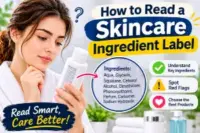
1. Check the Ingredients
Read the ingredient list carefully.
Choose a product that clearly identifies hypochlorous acid and avoids unnecessary ingredients that may irritate your skin.
2. Check the Concentration
Look for a clearly labeled HOCl concentration.
Different products may contain different amounts of hypochlorous acid, so do not assume that every facial spray has the same strength.
A higher concentration does not automatically mean better results.
3. Choose Products Made for Facial Use
Always select a product specifically designed for use on human skin or the face.
Do not use household cleaning solutions or surface disinfectants as skincare products.
4. Check the Expiry Date
Hypochlorous acid stability can be affected by storage conditions and product formulation.
Check the expiry date and follow the manufacturer’s storage instructions.
5. Choose Suitable Packaging
Packaging can affect product quality and stability.
Choose a properly sealed bottle from a reliable manufacturer and avoid products with unclear labeling or unknown ingredients.
You May Also Like
Explore these helpful skincare guides to learn more about skin health, hydration, sensitive skin care, and effective skincare ingredients. These articles provide additional information to help you understand different skin concerns and make informed skincare choices.
1. Hand Skin Diseases: Causes, Symptoms, and Treatment
People experiencing skin irritation, dryness, or other skin concerns should understand the possible causes before choosing skincare products. Different skin conditions may require different treatments and care approaches. Read our guide to common hand skin diseases and their treatment to learn about their symptoms, causes, and available treatment options.
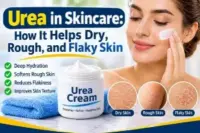
2. Urea in Skincare: Benefits and Uses
Maintaining skin hydration is an important part of a healthy skincare routine. Along with choosing suitable skincare products, understanding moisturizing ingredients can help improve skin softness and reduce dryness. Explore our guide on urea in skincare and its benefits to learn how this ingredient helps hydrate, soften, and improve rough or flaky skin.
3. Ectoin in Skincare: Benefits, Uses, and Safety Guide
Different skincare ingredients offer different benefits depending on their properties and intended uses. Some ingredients focus on hydration and skin protection, while others serve different skincare purposes. Learn more about ectoin in skincare, its benefits, and uses to understand how this ingredient may help support the skin barrier and maintain moisture.
4. Beginner Skincare Routine for Sensitive Skin
People with sensitive skin should choose skincare products carefully and introduce new ingredients gradually. A gentle routine with suitable cleansing, moisturizing, and sun protection can help maintain skin comfort. Read our beginner skincare routine for sensitive skin to discover practical ways to care for sensitive skin and avoid unnecessary irritation.
5. Skin Burns After Moisturiser: What to Do Now
Some people experience burning, redness, or stinging after applying skincare products. These reactions may be associated with irritation, sensitivity, or unsuitable ingredients. If you experience discomfort after moisturizing, explore our guide on what to do when your skin burns after moisturizer to understand possible causes and helpful precautions.
Keep exploring SkincareHost for more informative skincare guides, ingredient explanations, and practical tips to support healthier-looking skin.
FAQs
Hypochlorous acid spray has become a popular skincare ingredient, but many people have questions about its benefits, uses, and safety. Here are answers to some frequently asked questions to help you use it correctly.
Yes, many facial HOCl sprays are formulated for daily use. However, the recommended frequency depends on the product formulation and instructions.
- Check the manufacturer’s recommended usage.
- Start with the suggested application frequency.
- Avoid excessive application.
- Stop using the product if irritation develops.
In short: Daily use may suit many people, provided the product is designed for regular facial application.
Hypochlorous acid has antimicrobial and anti-inflammatory properties that may benefit acne-prone skin. However, research on its effectiveness as an acne treatment is still developing.
- May help reduce certain skin-surface microbes.
- May help calm irritated skin.
- May support general skin hygiene.
- Does not replace established acne treatments.
In short: HOCl spray may complement an acne skincare routine, but it should not be considered a standalone acne treatment.
Yes, you can generally use a facial HOCl spray before applying makeup if the product instructions allow it.
- Cleanse your face first.
- Apply the spray according to the product directions.
- Allow it to dry completely.
- Apply moisturizer and sunscreen as needed.
- Continue with your makeup routine.
In short: HOCl spray fits into a makeup routine, but let it dry before applying other products.
Usually, no. Most leave-on facial HOCl sprays are designed to dry naturally on the skin without rinsing.
- Follow the manufacturer’s instructions.
- Avoid washing it off immediately unless directed.
- Use a gentle cleanser when removing dirt, sweat, or makeup.
- Do not confuse leave-on sprays with rinse-off cleansing products.
In short: Most facial HOCl sprays do not require rinsing after application.
Some people may experience dryness, tightness, or irritation after using certain HOCl products, although many properly formulated products are generally well tolerated.
- Monitor your skin after application.
- Use a gentle moisturizer if needed.
- Avoid combining too many potentially irritating products.
- Reduce application frequency if dryness develops.
- Discontinue use if irritation persists.
In short: HOCl spray usually doesn’t cause significant dryness, but individual skin reactions can vary.
Many facial HOCl products are formulated to be gentle, and available evidence suggests good skin tolerability. However, sensitive skin may react differently depending on the formulation.
- Choose products specifically designed for facial use.
- Check the ingredient list.
- Perform a patch test before regular use.
- Avoid applying products to severely irritated skin.
- Stop using the spray if persistent redness or discomfort occurs.
In short: HOCl spray may suit sensitive skin, but choosing the right formulation and testing it first are important.
These ingredients can potentially be included in the same skincare routine, but the best application order depends on the product formulations.
- Apply HOCl spray as directed.
- Allow it to dry completely.
- Apply vitamin C serum if it suits your routine.
- Follow with niacinamide if desired.
- Finish with a suitable moisturizer.
- Use sunscreen during the daytime.
In short: HOCl spray may fit alongside vitamin C and niacinamide, but introduce products gradually and monitor your skin for irritation.
Yes, some people use facial HOCl sprays after exercise as part of their post-workout skincare routine.
- Remove excess sweat from your face.
- Cleanse your skin when necessary.
- Apply HOCl spray as directed.
- Allow it to dry naturally.
- Use a lightweight moisturizer if needed.
In short: HOCl spray may be a useful addition after exercise, but it should not replace proper cleansing when sweat, dirt, and oil have accumulated.
Hypochlorous acid spray can be a useful addition to a skincare routine when used correctly. Choose a product designed for your intended use, follow its instructions, and pay attention to how your skin responds.
Conclusion
Hypochlorous acid spray for skin has become a popular addition to modern skincare routines because of its antimicrobial and anti-inflammatory properties.
It may help support skin cleanliness, improve skin comfort, and provide an additional option for people with sensitive or acne-prone skin.
However, it is not a miracle product or a guaranteed solution for acne and other skin conditions.
The best approach is to choose a properly formulated facial product, follow its instructions, and maintain a simple skincare routine that includes cleansing, moisturizing, and sun protection.
If you have a persistent skin problem, consult a dermatologist before relying on any new skincare product.
Healthy skin starts with understanding your skin’s needs and choosing products carefully.



- Be Respectful
- Stay Relevant
- Stay Positive
- True Feedback
- Encourage Discussion
- Avoid Spamming
- No Fake News
- Don't Copy-Paste
- No Personal Attacks
- Be Respectful
- Stay Relevant
- Stay Positive
- True Feedback
- Encourage Discussion
- Avoid Spamming
- No Fake News
- Don't Copy-Paste
- No Personal Attacks
