Understanding Common Breast Skin Care Problems: Causes, Symptoms, and Treatments
Published: 8 Nov 2026
Skincare isn’t limited to the face, hands, or feet. Every part of the body deserves proper attention, including the skin around the breasts. This delicate area can experience dryness, irritation, sweating, itching, and other changes caused by friction, hormonal fluctuations, aging, and environmental factors.
A simple, consistent breast skin care routine can help keep the area clean, hydrated, and comfortable. Choosing gentle skincare products, wearing breathable clothing, and protecting exposed skin from the sun can also support overall skin health.
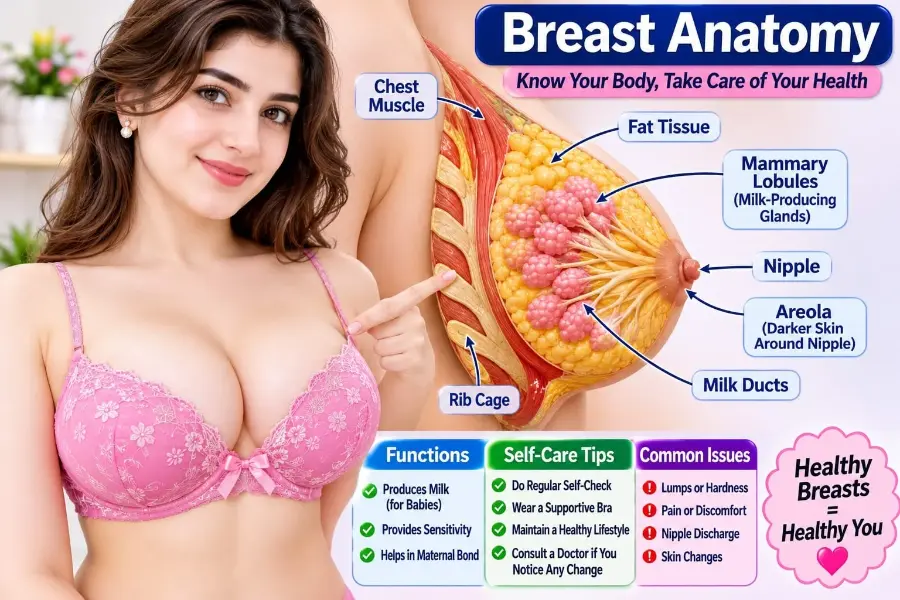
In this guide, you’ll discover practical breast skin care tips, common skin concerns, suitable skincare ingredients, and daily habits that can help maintain healthy breast skin. You’ll also learn when certain skin changes may require professional medical attention.
Understand the Skin Around the Breasts
The skin around the breasts is similar to the skin on other parts of the body, but it can be affected by friction, moisture, sweating, tight clothing, and hormonal changes. These factors may contribute to dryness, irritation, itching, and other skin concerns.
Understanding these common issues can help you choose suitable skincare products and develop healthier daily habits.
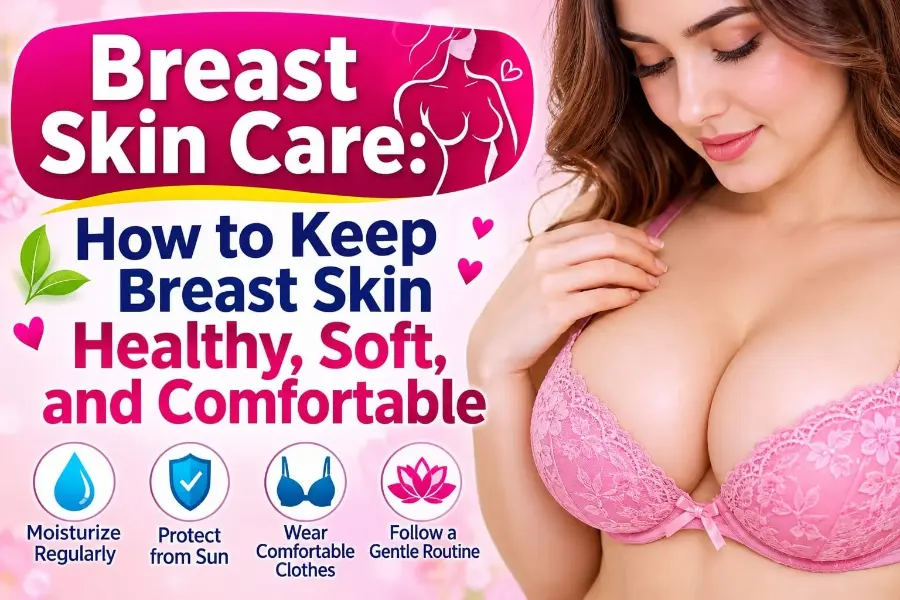
Common Breast Skin Concerns
Some of the most common concerns affecting breast skin include:
- Dryness and rough skin: Skin may become dry, flaky, or uncomfortable, particularly during colder weather or after using harsh cleansers.
- Sweating and irritation beneath the breasts: Sweat and trapped moisture can contribute to discomfort and irritation in skin folds.
- Redness caused by friction: Tight bras and clothing may rub against the skin, causing redness and soreness.
- Stretch marks: These lines may develop when the skin stretches rapidly during puberty, pregnancy, or weight changes.
- Itching and sensitivity: Fragranced products, detergents, and other irritants may trigger itching or skin reactions.
- Changes in skin texture: Hormonal changes, aging, and certain skin conditions may affect the appearance and texture of breast skin.
Why Breast Skin Needs Gentle Care
The area beneath the breasts can remain warm and moist, especially in hot weather. Friction from clothing and prolonged contact with sweat may also increase the risk of irritation.
A gentle skincare routine, suitable clothing, and attention to unusual changes can help keep this area comfortable and healthy.
Keep the Area Clean and Dry
Good hygiene is an important part of breast skin care. Sweat, dead skin cells, and moisture can collect beneath the breasts, especially during exercise or in warm, humid weather.
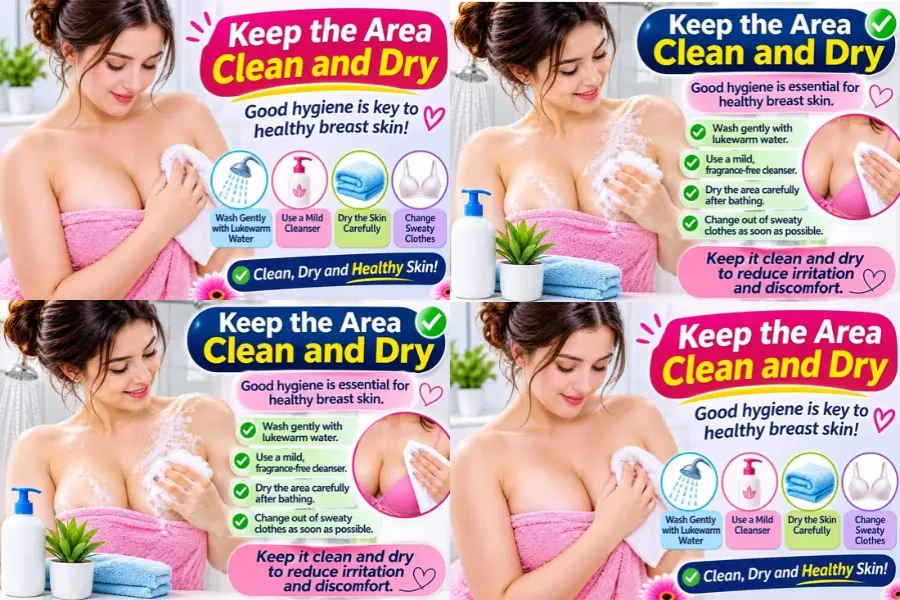
If moisture remains trapped for long periods, it may contribute to irritation and inflammation in skin folds.
Gentle Cleansing Habits
Follow these simple habits to keep the area clean:
- Wash gently with lukewarm water.
- Use a mild, fragrance-free cleanser suitable for sensitive skin.
- Avoid harsh soaps, strong fragrances, and aggressive scrubbing.
- Rinse thoroughly to remove cleanser residue.
- Dry the skin carefully after bathing, especially underneath the breasts.
- Change out of sweaty clothing as soon as possible.
How to Keep the Area Dry
After bathing or exercising, gently pat the skin dry with a clean, soft towel. Avoid rubbing because repeated friction may irritate sensitive skin.
If you sweat frequently, consider changing your bra or clothing during the day. Wearing breathable fabrics can also help reduce moisture buildup.
Keeping the breast area clean and dry can help reduce discomfort and support healthy skin.
Moisturize Regularly
Regular moisturizing helps maintain the skin’s natural protective barrier and reduces dryness. The skin around the breasts may become uncomfortable when it loses moisture, particularly after bathing, exposure to dry weather, or frequent washing.
Keeping your skin hydrated helps maintain its protective barrier and reduce dryness. You can also explore the benefits of Ectoin for skin hydration to learn how this skincare ingredient supports dry and sensitive skin.
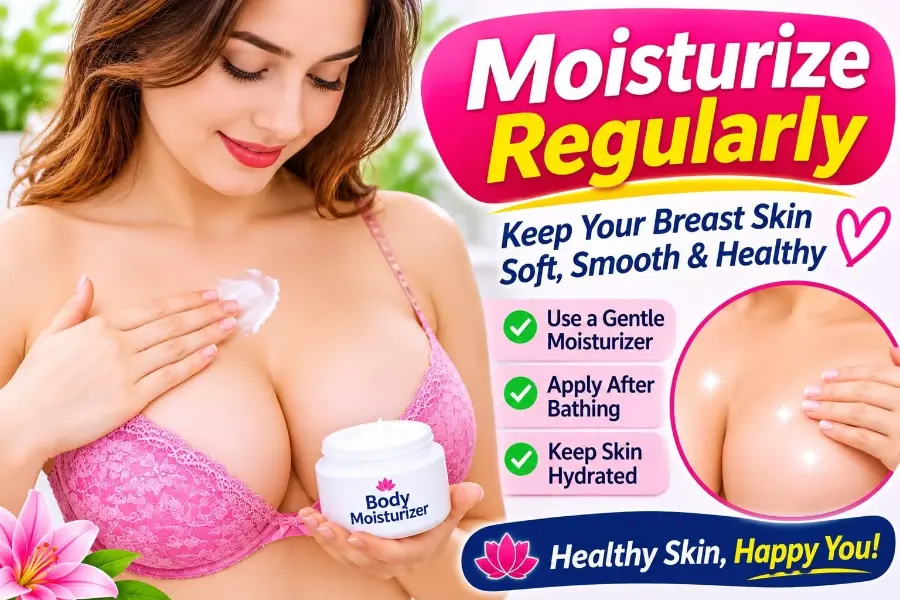
Choosing the right moisturizer can help keep the skin soft, smooth, and hydrated.
Best Ingredients for Breast Skin Hydration
Look for gentle moisturizers containing ingredients such as:
- Glycerin: A humectant that attracts water and helps maintain skin hydration.
- Ceramides: Help support the skin’s natural protective barrier and reduce moisture loss.
- Hyaluronic Acid: Helps attract and retain water in the skin.
- Petrolatum: Creates a protective layer that helps reduce water loss from dry skin.
How to Apply Moisturizer
For better results:
- Clean the area using a gentle cleanser.
- Pat the skin dry, leaving it slightly damp.
- Apply a small amount of a suitable moisturizer.
- Spread it gently without rubbing aggressively.
- Allow the product to absorb before getting dressed.
Choose fragrance-free products if your skin is sensitive or easily irritated. Avoid applying products to broken, infected, or severely irritated skin without appropriate medical advice.
Regular moisturizing can improve skin comfort, although it cannot prevent every skin concern or completely remove stretch marks.
Choose Comfortable and Breathable Clothing
The clothing you wear can noticeably affect breast skin health. Tight bras, rough fabrics, and poorly fitting clothing may create friction, pressure, sweating, and irritation.

Comfortable clothing can help reduce these problems, especially in warm weather and during physical activity.
Tips for Choosing Comfortable Bras
Consider the following suggestions:
- Choose a properly fitting bra that provides support without excessive pressure.
- Prefer breathable fabrics, such as cotton, when comfortable and suitable.
- Avoid bras with rough seams or materials that repeatedly rub against your skin.
- Choose moisture-wicking sports bras for exercise.
- Avoid wearing damp or sweaty clothing for extended periods.
- Replace bras that have become uncomfortable or no longer fit properly.
Keep Clothing Clean
Wash bras and other clothing regularly using a gentle detergent. If you experience irritation, consider switching to a fragrance-free laundry detergent and avoiding fabric softeners that may trigger skin reactions.
Comfortable clothing can significantly reduce friction, moisture buildup, and everyday skin discomfort.
Protect Breast Skin from Sun Exposure
The skin on the chest and upper breast area may receive considerable sun exposure, particularly when wearing low-neck, sleeveless, or open clothing.
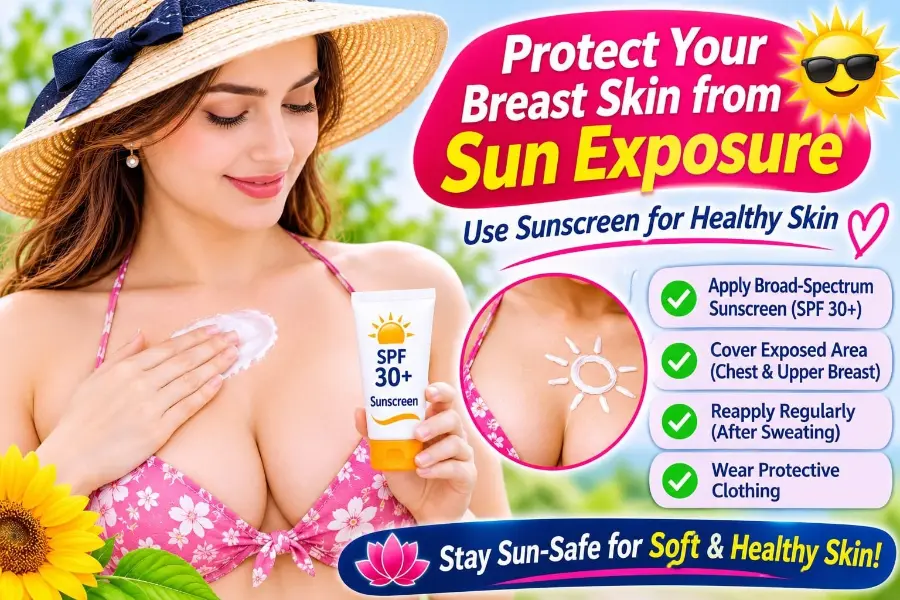
Ultraviolet (UV) radiation can contribute to premature skin aging, pigmentation changes, and an increased risk of skin cancer.
Choose the Right Sunscreen
Use a broad-spectrum sunscreen with SPF 30 or higher on exposed chest and breast skin.
When choosing sunscreen, consider these features:
- Broad-spectrum protection against UVA and UVB rays.
- SPF 30 or higher.
- A gentle formula suitable for your skin type.
- Water-resistant protection when swimming or sweating.
Apply Sunscreen Correctly
Apply sunscreen generously to exposed skin before going outdoors. Reapply according to the product instructions, especially after swimming, sweating, or towel drying.
You can also protect the chest area by wearing clothing that covers the skin and seeking shade during periods of strong sunlight.
Consistent sun protection helps maintain healthier-looking skin and reduces unnecessary UV exposure.
Understanding Stretch Marks
Stretch marks are common lines that develop when the skin stretches or changes rapidly. They may appear on the breasts, abdomen, thighs, hips, and other parts of the body.
Uneven skin tone and dark spots can have several causes, so choosing the right skincare ingredients matters. Read about the benefits of azelaic acid for uneven skin tone to understand its potential skincare benefits.
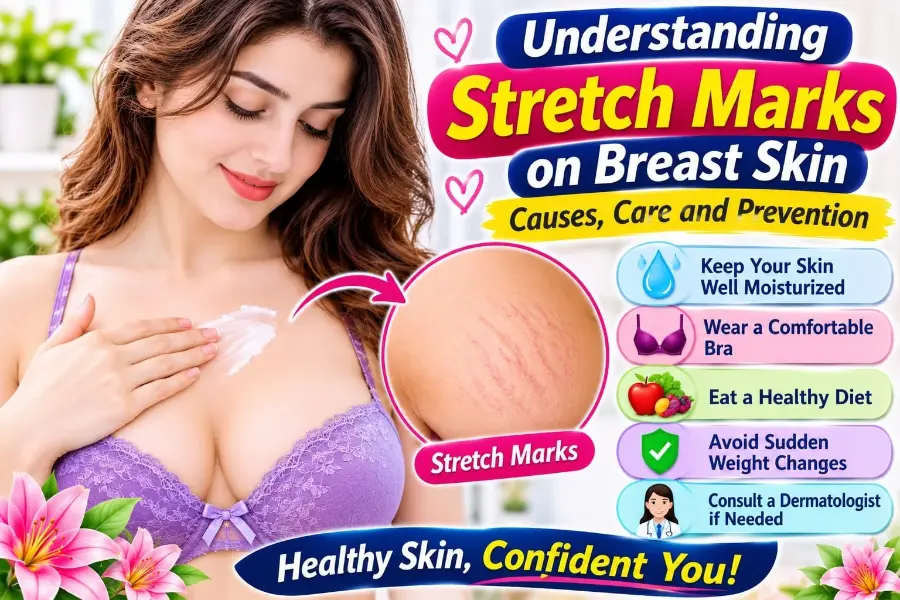
Breast stretch marks can develop during puberty, pregnancy, breastfeeding-related breast changes, or significant weight fluctuations.
What Do Breast Stretch Marks Look Like?
Stretch marks may initially appear pink, red, purple, or darker than the surrounding skin, depending on your natural skin tone.
Over time, they often become lighter and may look white, silvery, or less noticeable.
Common Causes of Breast Stretch Marks
Several factors can contribute to stretch marks, including:
- Puberty: Breast development during adolescence can stretch the skin.
- Pregnancy: Hormonal changes and breast enlargement may contribute to stretch marks.
- Weight fluctuations: Rapid weight changes can stretch the skin.
- Genetics: Family history may influence your likelihood of developing stretch marks.
- Hormonal factors: Hormonal changes can affect skin structure and elasticity.
Can Moisturizers Remove Breast Stretch Marks?
Moisturizers containing glycerin, ceramides, or hyaluronic acid can help reduce dryness and improve skin comfort. However, ordinary moisturizers cannot reliably prevent or completely remove stretch marks.
Some dermatological treatments may improve their appearance, but results vary depending on the type and age of the stretch marks.
If you are concerned about their appearance, consult a dermatologist to discuss suitable options.
Remember that stretch marks are common and natural. They do not usually indicate a health problem.
Avoid Products That May Irritate Sensitive Skin
Not every beauty or skincare product suits the delicate skin around the breasts. Strong fragrances, harsh exfoliants, and certain active ingredients may cause irritation, dryness, or allergic reactions.
A gentle approach is generally better than using multiple products with strong ingredients.
Products and Ingredients to Use Carefully
Be cautious with:
- Strong fragrances: Perfumes and fragranced lotions may irritate sensitive skin.
- Harsh exfoliants: Aggressive scrubs can damage the skin’s protective barrier.
- Strong acids: Certain exfoliating acids may cause irritation when used incorrectly.
- Unverified whitening creams: Some products may contain undeclared or unsuitable ingredients.
- Harsh home remedies: Lemon juice, baking soda, and similar substances may irritate the skin.
Tips for Choosing Safer Skincare Products
For a more comfortable skincare routine:
- Choose products labelled fragrance-free.
- Patch-test new products on a small area before regular use.
- Introduce new skincare ingredients gradually.
- Avoid aggressive scrubbing and excessive exfoliation.
- Stop using a product if it causes burning, redness, swelling, or itching.
- Choose products formulated for sensitive skin when possible.
Never apply strong chemical products, bleaching agents, or concentrated active ingredients to the nipples or areolas without professional guidance.
Gentle products and consistent habits are generally more beneficial than complicated skincare routines.
Common Breast Skin Problems and Medical Advice
Some breast skin concerns stem from dryness, sweating, friction, or minor irritation. However, persistent or unusual changes should never be ignored.
Choosing the right skincare products and medicines is important for maintaining healthy skin. A qualified pharmacist can help explain product ingredients, proper usage, and possible side effects. You can also learn more about the role of pharmacists in medication guidance in our detailed guide on How to Become a Pharmacist.
Although many skin changes are harmless, certain symptoms may require medical assessment to identify their cause.
Common Signs That Need Medical Attention
Contact a qualified healthcare professional if you notice:
- A persistent rash or unexplained redness.
- Skin that becomes thick, scaly, crusted, or unusually textured.
- Persistent itching, burning, or pain.
- A new lump or swelling in the breast or underarm.
- Nipple discharge, particularly if bloody or occurring without squeezing.
- New nipple inversion or a noticeable change in nipple appearance.
- Skin dimpling or an orange-peel appearance.
- A persistent sore or rash around the nipple or areola.
- Unexplained changes in breast size or shape.
Why You Should Not Ignore Persistent Changes
These symptoms do not necessarily indicate breast cancer. Skin irritation, infections, eczema, and other conditions can cause similar changes.
However, some breast conditions can also affect the skin and nipples. For this reason, new, persistent, or unexplained changes should be assessed by a healthcare professional.
Do not try to manage unusual breast changes with moisturizers, antifungal creams, or other skincare products without understanding the cause.
Early medical assessment can help identify the problem and ensure that appropriate treatment is provided.
Build a Simple Daily Breast Skin Care Routine
A healthy breast skin care routine doesn’t need expensive products or complicated steps. A few consistent habits can help maintain hydration, cleanliness, and skin comfort.
The most important thing is to choose gentle products and adjust your routine according to your skin’s needs.
Morning Routine
Start your day with these simple steps:
- Wear clean, comfortable clothing.
- Apply a gentle moisturizer if your skin feels dry.
- Use broad-spectrum sunscreen with SPF 30 or higher on exposed chest skin.
- Choose a comfortable bra that does not cause friction or pressure.
After Bathing
After taking a shower or bath:
- Cleanse the area gently.
- Rinse away any cleanser residue.
- Pat the skin dry with a clean, soft towel.
- Pay particular attention to the skin underneath the breasts.
- Apply a suitable moisturizer if needed.
After Exercise or Sweating
Physical activity can increase sweating, particularly beneath the breasts.
To maintain skin comfort:
- Change out of sweaty clothing promptly.
- Gently wash the area if needed.
- Dry the skin thoroughly.
- Wear clean, breathable clothing.
- Avoid remaining in damp bras or sportswear for long periods.
Keep Your Routine Simple
You don’t need many skincare products to care for breast skin. Gentle cleansing, suitable moisturizing, comfortable clothing, and sun protection are often sufficient for everyday care.
Consistency matters more than using many skincare products.
Common Breast Skin Diseases: Symptoms and Treatment
Skin conditions can affect different parts of the body and may cause symptoms such as itching, redness, dryness, and irritation. Learn more about common skin diseases and their symptoms to better understand different skin concerns.
The skin around the breasts can develop different conditions due to sweating, friction, fungal infections, allergies, and other factors. Some problems may improve with gentle skincare and appropriate protective products, while others require medical treatment.
Three common conditions affecting the breast area include intertrigo, candidiasis, and contact dermatitis. Knowing their symptoms can help you recognize when you need professional advice.
The products mentioned below are examples of ingredients or products used for certain skin concerns. They are not a substitute for a medical diagnosis.
1. Intertrigo (Under-Breast Rash)
Symptoms:
Intertrigo is inflammation that develops in skin folds where moisture, heat, and friction cause irritation. It commonly affects areas beneath the breasts because sweat and warmth can become trapped in these folds.
Sometimes, the irritated skin develops a secondary fungal or bacterial infection, which may require additional treatment.
Common Symptoms of Intertrigo
Symptoms may include:
- Red or reddish-brown patches in skin folds.
- Itching and burning sensations.
- Skin irritation, soreness, or tenderness.
- Moist, cracked, or peeling skin.
- Discomfort that becomes worse with sweating and friction.
- An unpleasant smell if a secondary infection develops.
Treatment and Solutions
The main goal of caring for intertrigo is to reduce moisture, friction, and further irritation.
Helpful measures include:
- Keep the affected area clean and dry.
- Wash the skin gently with a mild cleanser.
- Pat the area dry instead of rubbing.
- Wear comfortable, breathable clothing.
- Change sweaty clothing regularly.
- Avoid tight bras that create repeated friction.
- Consider an appropriate skin-protective barrier product if recommended by a healthcare professional.
If symptoms persist, worsen, or suggest an infection, seek medical advice. Treatment depends on the underlying cause.
Medicines and Products Available on Amazon
Some products may help protect irritated skin from moisture and friction:
- Zinc Oxide Cream: Creates a protective barrier that helps shield the skin from moisture and irritation.
- Petroleum Jelly: May help reduce friction when applied appropriately to intact skin.
- Barrier Creams: Formulated to protect skin from moisture and repeated rubbing.
Amazon product search: Zinc Oxide Skin Protectant Cream
Important: Barrier products may help protect the skin, but they do not treat every cause of intertrigo. Avoid applying thick products that trap additional moisture in skin folds. Choose an appropriate product with professional guidance if the area is already inflamed or infected.
2. Candidiasis (Fungal Infection Under the Breasts)
Symptoms:
Candidiasis is a yeast infection caused by Candida. It can develop in warm, moist skin folds, including underneath the breasts.
Excessive sweating, prolonged moisture, friction, and certain health factors may increase the likelihood of developing this infection.
Common Symptoms of Candidiasis
Symptoms may include:
- Bright red or inflamed skin.
- Persistent itching.
- Burning or soreness.
- Moist or irritated patches.
- Small surrounding spots or bumps, sometimes called satellite lesions.
- Discomfort that worsens in warm, moist conditions.
Not every rash beneath the breasts is caused by Candida. Other skin conditions can produce similar symptoms.
Treatment and Solutions
If candidiasis is confirmed, a healthcare professional may recommend an appropriate antifungal treatment.
Helpful skin-care measures include:
- Keep the affected area clean and dry.
- Wear loose, breathable clothing.
- Change damp clothing promptly.
- Avoid excessive sweating and prolonged moisture buildup.
- Wash towels and clothing regularly.
- Avoid scratching the affected skin.
Medicines and Products Available on Amazon
Some antifungal medicines used for certain fungal skin infections include:
- Clotrimazole 1% Cream: An antifungal medicine commonly used for certain fungal skin infections.
- Lotrimin AF Cream: A branded antifungal product containing clotrimazole in some formulations.
- Miconazole Cream: Another antifungal medicine used for certain yeast and fungal infections.
Amazon product search: Lotrimin AF Clotrimazole Antifungal Cream
Use antifungal products only when appropriate for the condition and follow their labels or professional medical advice. Product formulations and availability may vary. Some pharmacy listings may require a prescription.
Remember: Persistent or worsening rashes should be medically assessed rather than treated repeatedly with antifungal products without a confirmed diagnosis.
3. Contact Dermatitis and Eczema (Skin Reactions)
Symptoms:
Contact dermatitis occurs when the skin reacts to an irritant or allergen. Common triggers around the breasts include fragranced body lotions, soaps, laundry detergents, perfumes, and certain fabrics.
Eczema can also cause dryness, itching, and inflammation in this area.
Common Symptoms of Contact Dermatitis and Eczema
Symptoms may include:
- Redness and itching.
- Dry, rough, or flaky skin.
- Burning or stinging sensations.
- Small bumps or irritated patches.
- Skin inflammation after using a new product.
- Cracking or soreness in more severe cases.
Symptoms may appear shortly after exposure to an irritating product or develop gradually with repeated contact.
Treatment and Solutions
First, identify and avoid the substance causing the reaction.
Helpful measures include:
- Stop using products that trigger irritation.
- Switch to fragrance-free cleansers and moisturizers.
- Avoid scratching the affected area.
- Choose soft, breathable fabrics.
- Use a gentle moisturizer to support the skin barrier.
- Seek medical advice if symptoms persist or worsen.
Medicines and Products Available on Amazon
Depending on the diagnosis, certain products may help manage dryness or inflammation:
- Hydrocortisone 1% Cream: A mild corticosteroid that may temporarily relieve inflammation and itching from certain skin conditions.
- CeraVe Moisturizing Cream: Helps hydrate dry skin and support the skin’s protective barrier.
- Fragrance-Free Moisturizers: Help maintain hydration and reduce dryness.
Amazon product searches:
Use hydrocortisone only for the appropriate condition and follow the product label or a healthcare professional’s advice. Avoid using steroid creams on a suspected fungal infection without medical guidance.
Important Medical Advice: Breast skin rashes can have different causes and may look similar. A persistent rash, unusual nipple changes, bloody discharge, skin dimpling, or a new lump should be assessed promptly by a healthcare professional. Do not rely on online medicines to diagnose or treat unexplained breast changes.
Breast Skin Medicines and Treatments in Pakistan
In addition to internationally available skincare products, pharmacies in Pakistan may carry several medicines and skin-protective products for common skin concerns affecting the breast area.
However, medicine availability, brand formulations, and active ingredients can vary. Always check the product label and consult a qualified healthcare professional or pharmacist before using medication.
1. Intertrigo (Rash and Irritation Under the Breasts)
Products that may be considered for skin protection include:
- Rashnil Cream: Check the active ingredients and formulation before using it, as the product name alone does not establish its suitability for intertrigo.
- Sudocrem Antiseptic Healing Cream: Contains zinc oxide and can help protect irritated skin from moisture.
- Zinc Oxide Cream: Helps create a protective barrier against moisture and friction.
- Petroleum Jelly: May help reduce friction when applied appropriately to intact skin.
Treatment Advice
Keep the affected area clean and dry. Wear breathable clothing and avoid tight bras that create repeated friction.
If the rash becomes painful, spreads, develops an unpleasant smell, or does not improve, seek medical advice. A secondary infection may require specific treatment.
2. Candidiasis (Fungal Infection Under the Breasts)
Antifungal products that may be available in Pakistan include:
- Dermotrim 1% Cream: Listed as a clotrimazole antifungal product; confirm the formulation on the packaging.
- Clotrim 1% Cream: Confirm it contains clotrimazole and verify the formulation.
- Stiemazol 1% Cream: Confirm the active ingredient and formulation with a pharmacist.
- Trimzol 1% Cream: Check the packaging to verify its active ingredient before purchasing.
Treatment Advice
Clotrimazole is commonly used for certain fungal skin infections, including infections caused by susceptible Candida species.
However, not every rash beneath the breasts is fungal. Use an antifungal medicine only when it is appropriate for the diagnosed condition.
Follow the product instructions and professional medical advice. Keep the skin dry, wear breathable clothing, and avoid tight garments that trap moisture.
3. Contact Dermatitis and Eczema (Allergic or Irritant Skin Reactions)
Some products that may be available in Pakistan include:
- Hydrocortisone 1% Cream: A mild corticosteroid used for certain inflammatory skin conditions.
- CeraVe Moisturizing Cream: Helps hydrate dry skin and support the skin barrier.
- Fragrance-Free Moisturizers: Help reduce dryness and support skin hydration.
- Petroleum Jelly: Helps protect dry, intact skin by reducing moisture loss.
Treatment Advice
Avoid products that trigger irritation, including strongly fragranced soaps, lotions, and detergents.
Choose gentle cleansers and moisturizers formulated for sensitive skin. Hydrocortisone should only be used for an appropriate diagnosis and with professional guidance, especially on sensitive breast skin.
Important Safety Information
Medicine availability and brand formulations can vary between pharmacies in Pakistan. Before purchasing a product, check:
- The active ingredients and their concentrations.
- The product’s expiry date.
- The manufacturer’s name and details.
- The packaging and product instructions.
- DRAP registration or relevant regulatory information, where applicable.
Do not use antifungal creams, steroid creams, or combination medicines without understanding the cause of the rash.
Persistent breast rashes, unusual nipple changes, unexplained discharge, skin dimpling, or breast lumps require medical evaluation.
Disclaimer: This article is for educational purposes only and does not replace professional medical diagnosis, treatment, or advice.
FAQs
Find answers to common questions about breast skin care, including moisturizing, stretch marks, irritation, and how to maintain healthy skin.
Yes. Moisturizing is helpful when breast skin feels dry, rough, or uncomfortable. A gentle, fragrance-free moisturizer containing ingredients such as glycerin or ceramides can help maintain hydration and support the skin’s protective barrier.
For better results:
- Choose a gentle, fragrance-free moisturizer.
- Apply it after bathing while the skin is slightly damp.
- Spread it gently without rubbing aggressively.
- Avoid applying products to broken or infected skin without medical advice.
Takeaway: Regular moisturizing can help keep breast skin comfortable, soft, and hydrated.
Most ordinary moisturizers and body creams cannot completely remove stretch marks. However, moisturizing products may improve skin hydration and make dryness less noticeable.
Some dermatologist-supervised treatments may improve the appearance of stretch marks. Results depend on several factors, including:
- The age of the stretch marks.
- Their color and appearance.
- Individual skin characteristics.
- The type of treatment used.
Takeaway: Moisturizers support skin comfort, but complete stretch mark removal cannot be guaranteed.
Sensitivity varies from person to person. However, the breast area may experience irritation due to several factors, including:
- Friction from tight bras and clothing.
- Excessive sweating and trapped moisture.
- Hormonal changes.
- Fragranced skincare products.
- Allergic reactions to detergents or fabrics.
The skin beneath the breasts may be particularly affected by moisture and repeated rubbing.
Takeaway: Gentle cleansing, breathable clothing, and suitable skincare products can help reduce irritation.
Yes. You can apply sunscreen to exposed skin on the chest and upper breast area to help protect it from harmful ultraviolet (UV) radiation.
When choosing sunscreen:
- Select a broad-spectrum sunscreen.
- Choose SPF 30 or higher.
- Follow the product’s application instructions.
- Reapply as directed, especially after swimming or sweating.
Avoid applying sunscreen to irritated or broken skin, and keep products away from the eyes and other areas where they are not intended to be used.
Takeaway: Protecting exposed breast and chest skin from sunlight is an important part of daily skincare.
Seek medical advice if you notice unusual or persistent changes, including:
- Persistent rashes or unexplained redness.
- Skin dimpling or an orange-peel appearance.
- New nipple inversion or unusual nipple changes.
- Unusual or bloody nipple discharge.
- A new lump or swelling.
- Persistent itching, scaling, or crusting around the nipple.
- Unexplained changes in breast size or shape.
Although these symptoms do not always indicate a serious condition, a healthcare professional can assess their cause and recommend appropriate treatment.
Takeaway: Do not ignore persistent or unusual breast changes, even if they do not cause pain.
Yes. You can generally use a gentle body lotion on the outer breast skin if it suits your skin type and doesn’t irritate it.
For everyday use:
- Choose a fragrance-free moisturizer if you have sensitive skin.
- Look for hydrating ingredients such as glycerin and ceramides.
- Apply a small amount after bathing.
- Stop using the product if it causes irritation.
- Avoid applying ordinary body lotions to broken or infected skin without appropriate advice.
Takeaway: A suitable daily moisturizer can help keep breast skin comfortable and hydrated.
Itching beneath the breasts can develop for several reasons, particularly when sweat and moisture become trapped in skin folds.
Common causes include:
- Excessive sweating: Moisture can irritate the skin.
- Friction: Tight bras and clothing may cause repeated rubbing.
- Contact dermatitis: Soaps, detergents, and fragrances may trigger skin reactions.
- Eczema: Can cause dryness, itching, and inflammation.
- Fungal infections: Candida may grow in warm, moist skin folds.
Keeping the area clean and dry and wearing breathable clothing may help reduce discomfort. However, persistent itching or a rash should be assessed by a healthcare professional.
Takeaway: The cause of itching matters because different conditions require different treatments.
You can reduce moisture and friction by following a few simple daily habits:
- Wear a properly fitting, breathable bra.
- Choose comfortable clothing.
- Change out of sweaty clothing after exercise.
- Dry the skin carefully after bathing.
- Avoid remaining in damp bras or sportswear for long periods.
- Use gentle, fragrance-free skincare products.
- Keep the area clean and dry.
If moisture-related irritation occurs frequently, ask a healthcare professional about suitable skin-protection options.
Takeaway: Reducing moisture and friction can help keep the skin beneath the breasts comfortable.
Gentle exfoliation may be tolerated by some people on the external chest area, but it is not necessary for a healthy breast skin care routine.
For safer skincare:
- Avoid rough physical scrubs.
- Don’t use strong exfoliating acids without proper guidance.
- Avoid aggressive rubbing.
- Be particularly gentle around the nipples and areolas.
- Stop exfoliating if you notice redness, burning, or irritation.
Takeaway: Gentle cleansing and moisturizing are generally more important than exfoliating breast skin.
Some forms of uneven pigmentation may improve with appropriate skincare products, but the cause of discoloration should be understood first.
Common contributing factors include:
- Friction from tight clothing.
- Skin irritation and inflammation.
- Hormonal changes.
- Certain skin conditions.
- Previous skin injuries or inflammation.
Avoid unverified whitening creams and strong bleaching products. New, persistent, or unexplained discoloration should be assessed by a healthcare professional.
Takeaway: Choose gentle skincare and identify the cause before treating discoloration.
Intertrigo is inflammation that develops in skin folds because of moisture, heat, and friction. A fungal infection, such as candidiasis, can develop secondarily in an affected area.
The main differences include:
- Intertrigo: Primarily involves inflammation caused by friction, heat, and moisture.
- Fungal infection: Involves the growth of fungi or yeast, such as Candida.
- Combined condition: Intertrigo can sometimes develop a secondary fungal infection.
Both conditions may cause redness, itching, and discomfort, so they can sometimes look similar.
Takeaway: Correct identification is important because intertrigo and fungal infections may require different treatments.
The nipples and areolas have delicate skin and may react to fragrances, harsh cleansers, and strong active ingredients.
For gentle care:
- Avoid unverified whitening creams.
- Do not apply strong exfoliants.
- Avoid medicated products without professional guidance.
- Use gentle products only when appropriate.
- Seek medical advice for persistent itching, scaling, crusting, or discharge.
If you experience unusual or persistent changes around the nipples or areolas, have them assessed by a healthcare professional.
Takeaway: Keep nipple and areola care gentle, and have persistent changes assessed by a healthcare professional.
Breast skin care starts with simple, consistent habits and suitable skincare products. If you notice persistent rashes, unusual skin changes, or other concerning symptoms, consult a healthcare professional for proper evaluation and advice.
Conclusion
Breast skin care is an important part of overall body care. Gentle cleansing, regular moisturizing, comfortable clothing, and sun protection can help keep skin healthy and comfortable.
Choosing suitable skincare products and avoiding harsh ingredients may also reduce dryness and irritation. However, skincare products are not a substitute for medical evaluation, especially when unusual or persistent changes occur.
Pay attention to your skin, follow a simple, consistent routine, and seek professional advice if something doesn’t seem normal.
Taking a few simple steps every day can help you care for your skin while staying aware of your overall breast health.



- Be Respectful
- Stay Relevant
- Stay Positive
- True Feedback
- Encourage Discussion
- Avoid Spamming
- No Fake News
- Don't Copy-Paste
- No Personal Attacks
- Be Respectful
- Stay Relevant
- Stay Positive
- True Feedback
- Encourage Discussion
- Avoid Spamming
- No Fake News
- Don't Copy-Paste
- No Personal Attacks
