What Is PDRN in Skincare? Benefits, Limitations, and How to Use It
Published: 24 Sep 2026
If you’ve been looking at skincare trends recently, you have probably come across the term PDRN.
It has become one of those ingredients that suddenly seems to be everywhere, from professional aesthetic treatments to serums, creams, and masks. But with so much marketing around it, it can be difficult to understand what PDRN actually is, what it is supposed to do, and whether a PDRN skincare product makes sense for your routine.
The short answer is that PDRN is an interesting ingredient with research behind its biological and regenerative potential, but it is also a good example of why you should view skincare marketing with a little caution.

So, let’s break it down without making it unnecessarily complicated.
What Is PDRN?
PDRN stands for polydeoxyribonucleotide.
In simple terms, it refers to purified DNA fragments studied for their potential role in tissue repair and regeneration. Researchers have studied PDRN in areas such as wound healing and tissue recovery, including mechanisms involving cell activity, inflammation, and tissue repair.
That may sound very clinical, but you do not need a biology degree to understand the skincare conversation around it.
Remember, PDRN is not simply another exfoliating or brightening ingredient. It is usually discussed in the context of supporting skin recovery and regeneration.
Why Has PDRN Become Popular in Skincare?
Part of the interest comes from aesthetic medicine.
Researchers have investigated PDRN in clinical and regenerative settings, particularly for wound healing and skin recovery. More recent reviews have also examined its potential applications in aesthetic skin rejuvenation and post-procedure recovery.
As interest in regenerative aesthetics has grown, PDRN has gradually moved into the consumer skincare conversation.
This has created a new category of creams, serums, and masks featuring PDRN as a headline ingredient.

But there is an important distinction here.
Evidence for PDRN in medical or procedural applications should not automatically be treated as proof that every topical PDRN cream will produce the same results.
The formulation, concentration, molecular characteristics, delivery method, and overall product design can all matter.
That is one reason I would be careful with dramatic claims such as “instant regeneration” or “replacement for professional treatment.”
What Benefits Is PDRN Studied For?
Research into PDRN has mainly focused on tissue repair and regeneration rather than simply making skin look brighter overnight.
Studies have explored mechanisms related to wound healing, cell migration, blood-vessel formation, and inflammatory responses.
More recent clinical research has also investigated polynucleotides and PDRN in areas including skin rejuvenation, scar management, and wound healing. A 2026 systematic review of randomized clinical trials found promising results across several of these areas, but it also highlighted important limitations, including small sample sizes, varied treatment protocols, and limited overall evidence.
So when you see PDRN described as a “regenerative” skincare ingredient, there is scientific reasoning behind the term.
At the same time, it is better to think of PDRN as a promising area of skincare research, rather than an ingredient with unlimited proven benefits.
PDRN in Skincare: What It Is, How It Works, and If It’s Worth It | Dermatologist Explains
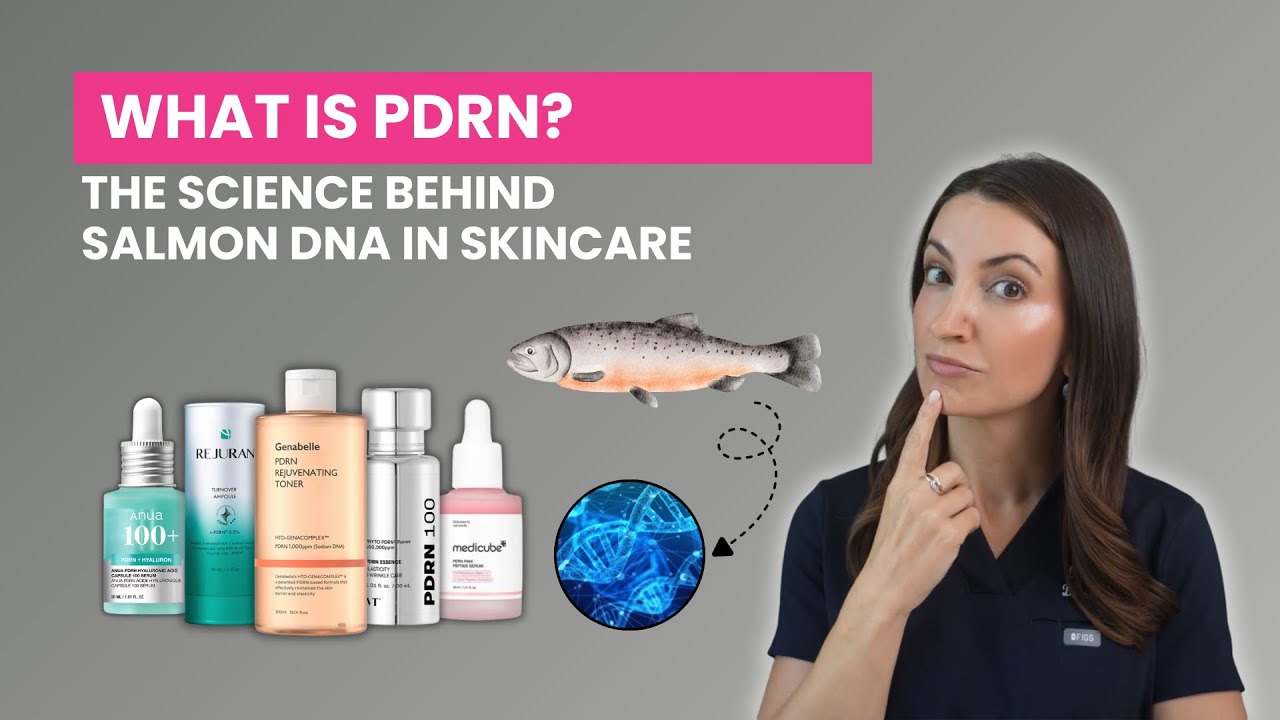
PDRN vs Polynucleotides: Are They the Same?
You may also see another term when researching PDRN: polynucleotides, or PN.
The two terms are related, but they are not always used interchangeably in scientific literature. Researchers have proposed distinctions based partly on molecular size and structure.
This is one reason online skincare discussions can become confusing.
Two products may both be described as “DNA skincare,” “PDRN,” or “polynucleotide,” but that doesn’t necessarily mean they contain identical materials or work in exactly the same way.
When comparing products, look beyond the headline ingredient and check the actual formulation and product claims.
Can You Use PDRN in a Regular Skincare Routine?
PDRN-containing topical products are generally positioned as skincare products rather than medical procedures.
If you use a PDRN cream or serum, the simplest approach is to follow the manufacturer’s instructions and treat it as part of your normal routine.
For example, a routine could look something like this:
Morning
- Gentle cleanser
- PDRN or hydrating treatment, if suitable
- Moisturizer
- Broad-spectrum sunscreen
Evening
- Cleanser
- PDRN skincare product
- Moisturizer
The exact order depends on the product’s texture and instructions.
You also don’t need to introduce several new active products at once. If you are trying PDRN for the first time, introducing one new product makes it easier to understand how your skin responds.
What About PDRN Creams?
PDRN creams are particularly interesting for people who prefer a simpler skincare routine.
Instead of adding another serum, toner, and treatment step, a cream can combine hydration with the ingredient at the center of your routine.
For example, ORELLI PARIS PDRN Collagen Jelly Cream combines a moisturizing cream format with PDRN-focused skincare.
If you choose a product like this, I would still look at the complete ingredient list and the overall formulation rather than choosing it simply because “PDRN” appears on the front of the packaging.
The supporting ingredients, texture, and how your skin responds are all part of the experience.
Is PDRN Suitable for Every Skin Type?
No single skincare ingredient is automatically perfect for everyone.
Your skin may respond differently depending on whether it is oily, dry, combination, or sensitive.
A cream-based PDRN product may feel more comfortable on dry or dehydrated skin, while someone with oily skin may prefer a lighter formulation.
If you have sensitive skin, introduce new products gradually and consider patch testing first, particularly if the formula contains several active or fragranced ingredients alongside PDRN.
And if a product causes persistent burning, swelling, itching, or significant irritation, stop using it and seek appropriate professional advice.
PDRN Is Not a Replacement for Sunscreen
This deserves its own section because skincare trends sometimes make people forget the basics.
No matter how interesting a new ingredient is, sunscreen remains an important part of a daytime skincare routine.
PDRN should not be viewed as a replacement for sun protection.
If your goal is to maintain healthy-looking skin, a much more sensible approach is to combine newer ingredients with the basics:
Cleanse. Moisturize. Protect. Then add targeted products according to your needs.
You don’t need to abandon proven skincare habits just because a new ingredient is trending.
What PDRN Cannot Do
This may be the most useful part of the conversation.
Don’t treat PDRN as a miracle ingredient.
One cream is unlikely to erase years of pigmentation, dramatically change facial structure, or recreate the results of a professional procedure overnight.
Existing research is promising, but that is not a reason to believe every marketing claim attached to every PDRN product.
A 2026 systematic review found encouraging clinical results for PN and PDRN therapies, but the authors also noted that the evidence base is limited by small studies, differing formulations and treatment protocols, and the need for larger clinical trials.
That distinction matters.
Good skincare is not about believing every new ingredient is revolutionary. It is about understanding what we actually know and keeping expectations realistic.
How to Choose a PDRN Skincare Product
If you are interested in trying PDRN, I would look at five things before buying.
1. Read the Full Ingredient List
Do not choose a product based only on the front-label claim.
Review the full formulation and see what other ingredients are included.
2. Check the Product Format
A cream, serum, and mask can feel very different on the skin.
Choose a format that fits naturally into your existing routine.
3. Look at the Brand’s Claims
Be cautious of products promising overnight transformation, permanent results, or medical-level outcomes from a cosmetic product.
4. Consider Your Skin Type
A rich cream may work beautifully for dry skin but feel too heavy for someone with very oily skin.
5. Introduce It Slowly
Especially if you already use retinol, acids, or other active products, you don’t need to change everything at once.
FAQs About PDRN in Skincare
Here are Some Questions and Their Detailed Answers About PDRN in Skincare:
PDRN stands for polydeoxyribonucleotide, a purified DNA-derived ingredient that has become popular in modern skincare and skin-rejuvenation treatments. It is commonly included in serums, creams, masks, and professional treatments designed to support the skin’s appearance and recovery.
Key points about PDRN include:
- It is associated with skin-repair and regeneration processes.
- It may help support a healthier-looking skin barrier.
- It is often used in products targeting signs of aging.
- PDRN skincare is particularly popular in Korean beauty and professional aesthetic treatments.
- Its effectiveness can depend on concentration, formulation, and application method.
PDRN is an emerging skincare ingredient that supports smoother, healthier, and more youthful-looking skin.
PDRN is used in skincare because it may support several aspects of skin health and appearance. It is particularly associated with skin rejuvenation and improving the look of tired or stressed skin.
Potential benefits include:
- Improved hydration: PDRN products may help skin appear more hydrated and supple.
- Smoother texture: Regular use may support a softer, smoother-looking complexion.
- Skin recovery: PDRN is commonly associated with supporting the skin’s natural recovery processes.
- Improved elasticity: Some formulations are designed to support firmer-looking skin.
- Anti-aging support: PDRN is often included in routines targeting fine lines and other visible signs of aging.
- Healthy-looking complexion: Hydrated and well-supported skin can appear brighter and more refreshed.
PDRN may offer several skin-rejuvenating benefits when used as part of an appropriate skincare routine.
PDRN is frequently used in anti-aging skincare because of its association with skin regeneration and rejuvenation. PDRN products may help skin look smoother, more hydrated, and refreshed, which can make fine lines appear less noticeable.
When using PDRN for visible signs of aging, consider:
- Applying the product consistently according to its instructions.
- Using a moisturizer to maintain skin hydration.
- Applying broad-spectrum sunscreen every morning.
- Combining PDRN with other well-established skincare ingredients when appropriate.
- Giving the routine enough time before judging results.
- Avoiding excessive use of multiple strong active ingredients at once.
Professional PDRN treatments may differ considerably from topical PDRN skincare products, so their expected results and evidence should not be assumed to be the same.
PDRN may support a smoother and more youthful-looking appearance, but consistent sun protection and a complete anti-aging routine are equally important.
You can incorporate PDRN into a skincare routine for dry or dehydrated-looking skin, especially when the product also contains moisturizing and barrier-supporting ingredients. However, PDRN should not replace basic moisturization.
For dry skin, look for PDRN products containing ingredients such as:
- Hyaluronic acid to support hydration.
- Ceramides to help support the skin barrier.
- Glycerin to attract and retain moisture.
- Panthenol for soothing and moisturizing support.
- Squalane to help reduce moisture loss.
- A gentle, fragrance-free formulation for easily irritated skin.
A simple routine could include a gentle cleanser, PDRN serum, moisturizer, and sunscreen during the daytime.
PDRN can complement a hydrating routine, but a good moisturizer and barrier care remain essential for dry skin.
PDRN is often included in skincare routines designed to improve the appearance of uneven or tired-looking skin. By supporting hydration and overall skin condition, PDRN products may help create a smoother-looking complexion.
For better-looking skin texture, a routine may include:
- A gentle cleanser to remove dirt and excess oil.
- A PDRN serum or treatment suited to your skin type.
- A moisturizer to maintain hydration.
- Use sunscreen during the day to protect your skin from UV exposure.
- Gentle exfoliation when appropriate for your skin.
- Avoiding harsh scrubs that can cause unnecessary irritation.
Texture problems can also have different causes, including dryness, clogged pores, acne, and sun damage.
PDRN can be part of a skin-texture routine, but identifying the underlying cause matters for choosing the right products.
PDRN itself may be tolerated by many people, but sensitive skin can react to other ingredients included in a particular product. Fragrance, alcohol, exfoliating acids, preservatives, or other active ingredients may cause irritation.
If you have sensitive skin, consider these steps:
- Patch-test the product before applying it to your entire face.
- Start with a small amount and observe how your skin responds.
- Choose a simple formula with fewer potential irritants.
- Avoid introducing several new products at once.
- Stop using the product if you experience significant burning, swelling, or persistent irritation.
- Focus on gentle cleansing and moisturizing while your skin adjusts.
If you have a known skin condition or your skin reacts frequently to cosmetic products, professional advice can help you choose appropriate products.
PDRN may work for some sensitive-skinusers, but a gentle formula and patch testing are important precautions.
The ideal frequency depends on the specific PDRN product, its concentration, and the other ingredients in the formula. Some topical PDRN products are designed for regular use, while professional treatments follow completely different schedules.
Before using a PDRN product:
- Read the manufacturer’s usage instructions.
- Check whether it is intended for morning, evening, or both.
- Start gradually if your skin is sensitive.
- Apply moisturizer if your skin needs additional hydration.
- Use sunscreen during the day.
- Avoid combining too many potentially irritating actives when starting a new product.
- Watch for dryness, redness, or irritation.
There is no universal rule for how many times per week you should use every PDRN product.
Follow the instructions for your specific PDRN product and adjust your routine based on how your skin responds.
PDRN should not automatically be considered better than other skincare ingredients. Different ingredients address different concerns, and the best choice depends on your skin type, goals, tolerance, and the overall formulation.
For example:
- Hyaluronic acid is widely used for hydration.
- Ceramides support the skin barrier.
- Retinoids are commonly used for acne and signs of aging.
- Vitamin C is often used for antioxidant and brightening benefits.
- Niacinamide can support the skin barrier and help improve the appearance of uneven tone.
- Salicylic acid is commonly used for oily and acne-prone skin.
- PDRN is mainly associated with skin rejuvenation and repair-focused skincare.
Rather than choosing an ingredient simply because it is trending, consider whether it addresses your specific concern and whether the complete product formulation suits your skin.
PDRN can be a valuable addition to skincare, but it works best when you choose it based on your individual skin needs rather than trends alone.
Overall, PDRN can be a useful addition to a well-balanced skincare routine, but healthy skin depends on consistent, personalized care rather than one ingredient alone.
The Bottom Line
PDRN is an interesting ingredient because its story comes from regenerative and tissue-repair research rather than traditional cosmetic claims alone.
Clinical interest in PDRN and related polynucleotide treatments is growing, and recent research has reported promising findings in areas such as wound healing, skin rejuvenation, and post-procedure recovery. At the same time, the evidence is still developing and does not justify treating every topical PDRN product as a miracle solution.
For everyday skincare, I would keep the approach simple.
Use a gentle cleanser, moisturize, protect your skin from the sun, and then add products based on your actual concerns.
If PDRN fits your routine and your skin responds well, it can be an interesting addition.
But like most things in skincare, consistency and realistic expectations matter more than chasing the newest trend.
About the Author
Jignesh is a digital marketing and content professional interested in skincare, beauty, and consumer-focused topics. He enjoys researching emerging skincare trends and turning complex information into practical, easy-to-understand guidance for everyday readers.





- Be Respectful
- Stay Relevant
- Stay Positive
- True Feedback
- Encourage Discussion
- Avoid Spamming
- No Fake News
- Don't Copy-Paste
- No Personal Attacks
- Be Respectful
- Stay Relevant
- Stay Positive
- True Feedback
- Encourage Discussion
- Avoid Spamming
- No Fake News
- Don't Copy-Paste
- No Personal Attacks
