Skin Burns After Moisturiser What To Do: Causes, Relief & Prevention
Published: 4 Mar 2026
Have you ever applied your moisturiser expecting soft, calm skin, but instead felt a sudden burning sensation? It can be confusing and even scary. Many people think moisturiser is supposed to soothe the skin, not irritate it. So when your face starts stinging, the first thought is usually: What just happened?
If you’re searching for skin burns after moisturiser, what to do about it, you’re not alone. This is a very common concern, especially among people using active skincare ingredients like retinol, vitamin C, or exfoliating acids. Even those with normally healthy skin can experience unexpected irritation.
The truth is, burning after moisturiser doesn’t always mean the product is “bad.” Sometimes the real issue lies in your skin barrier, recent product use, or ingredient sensitivity. Understanding the reason behind the reaction is the first step toward fixing it properly.
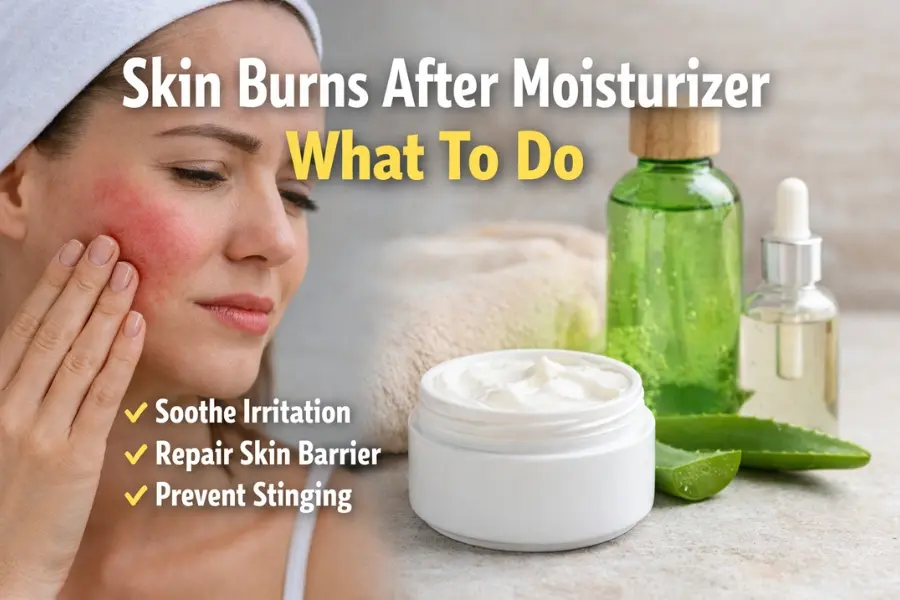
In this guide, we’ll break down why your skin may burn after applying moisturiser, what you should do immediately, how to repair the damage, and how to prevent it from happening again. By the end, you’ll know exactly how to calm your skin safely and confidently.
Is It Normal for Moisturiser to Burn?
In most cases, a moisturiser should feel soothing and hydrating, not painful. A well-formulated product applied to healthy skin usually absorbs smoothly without discomfort. So if you feel a burning sensation after applying moisturiser, it’s important to understand whether it’s a normal response or a warning sign.
A very mild tingling can sometimes happen, especially if your skin is slightly dry or you’ve recently used active skincare ingredients like retinol or exfoliating acids. However, a strong burning feeling is not normal and should not be ignored. The key is knowing the difference between temporary sensitivity and a true irritation reaction.
Mild Tingling vs. True Burning
A mild tingling sensation is usually:
- Very light and short-lived
- Gone within 20–30 seconds
- Not paired with redness or swelling
- Slightly noticeable but not painful
This can happen if your skin is a little dehydrated or mildly sensitive.
A true burning sensation, however, feels very different. It may include:
- Intense stinging or heat
- Pain lasting longer than a minute
- Visible redness
- Tightness and discomfort
- Skin feels hot to the touch.
If your face feels like it’s “on fire,” that’s a sign of skin irritation or possibly a damaged skin barrier.
When Stinging Is Temporary
Sometimes, brief stinging happens in situations that temporarily make your skin more sensitive, such as:
- Applying moisturizer right after exfoliating
- After shaving or waxing
- When your skin barrier is slightly weakened
- Trying a new product with active ingredients
In these cases, the sensation should fade quickly. Your skin should not become redder, swollen, or itchy over time. If the discomfort disappears and your skin looks calm afterwards, it may simply be temporary sensitivity.
However, if stinging happens every time you apply your moisturizer, it’s a sign your skin needs gentler care.
Signs of a Serious Reaction
Sometimes burning isn’t just irritation. It can be a strong inflammatory reaction or even allergic contact dermatitis. Watch for these warning signs:
- Swelling around the eyes or lips
- Raised bumps or hives
- Severe, spreading redness
- Blistering or peeling
- Persistent itching
- Pain lasting for hours
These symptoms indicate an abnormal skin reaction. If they occur, stop using the product immediately. Rinse with lukewarm water and avoid applying anything else until your skin calms down.
Understanding the difference between normal tingling and a serious skin reaction is crucial. If your experience goes beyond mild, short-lived sensitivity, your skin is clearly signalling that something isn’t right.
Why Does My Moisturiser Burn? – Skin Savvy Dermatology
Why Does My Skin Burn After Moisturiser? (Root Causes)
If you’re experiencing skin burns after moisturiser, what to do? The first step is understanding why it’s happening. Moisturizers are designed to protect and hydrate, so when they sting or burn, something underneath the surface is usually wrong.
In most cases, the issue isn’t the moisturizer alone. It’s often related to a weakened skin barrier, ingredient sensitivity, or recent skincare habits. Let’s break down the most common causes clearly.
1. Damaged Skin Barrier
What Is the Skin Barrier?
Your skin barrier (also called the moisture barrier) is the outermost layer of your skin. It acts like a protective shield, keeping moisture in and harmful irritants out. Think of it as a brick wall, skin cells are the bricks, and natural lipids are the mortar holding everything together.
When this barrier is healthy, your skin feels smooth, hydrated, and calm.
Signs of a Compromised Barrier
A damaged skin barrier often shows these symptoms:
- Burning or stinging when applying products
- Redness and inflammation
- Tightness after washing
- Flaky or rough texture
- Increased sensitivity
- Breakouts that weren’t there before
If even a gentle moisturizer suddenly causes discomfort, barrier damage is often the reason.
How It Causes Burning
When the barrier is weakened, tiny cracks form in the surface. This increases transepidermal water loss (TEWL) and allows ingredients to penetrate deeper than they should.
As a result, even mild products can trigger a burning sensation because your skin is exposed and vulnerable. Instead of protecting you, your skin becomes reactive.
2. Over-Exfoliation
Exfoliation removes dead skin cells, but too much of it strips away protection.
Chemical Exfoliants
Ingredients like AHAs, BHAs, and PHAs dissolve dead skin cells. When used too often, they can thin the outer layer and weaken your barrier. This makes your skin more prone to irritation when moisturizer is applied.
Physical Scrubs
Harsh scrubs with rough particles can create micro-tears in the skin. These tiny injuries may not be visible, but they increase sensitivity and cause stinging afterwards.
Retinol Overuse
Retinol speeds up cell turnover. While effective, using it too frequently or at high strength can lead to peeling, redness, and burning. Applying moisturizer to over-treated skin can intensify discomfort.
3. Allergic Reaction (Contact Dermatitis)
Sometimes burning is more than irritation. It’s an allergic skin reaction, also known as contact dermatitis.
Fragrance Sensitivity
Fragrance is one of the most common causes of skincare reactions. Even “natural fragrance” can trigger redness and burning in sensitive individuals.
Preservatives
Certain preservatives used to extend shelf life can irritate, especially in reactive skin types.
Essential Oils
Lavender, tea tree, citrus oils, and other essential oils may seem gentle but can be strong irritants, particularly on compromised skin.
If your burning sensation is paired with itching, swelling, or rash-like bumps, an allergic reaction may be the cause.
4. Harsh or Active Ingredients
Some moisturisers contain powerful ingredients that aren’t suitable for everyone.
Retinol
Even small amounts of retinol inside a moisturizer can irritate if your skin isn’t used to it.
Vitamin C
High concentrations of L-ascorbic acid can create a temporary stinging sensation, especially on sensitive or dry skin.
Niacinamide (High Percentage)
Niacinamide is generally gentle, but very high percentages (10% or more) can cause flushing and burning in some people.
Alcohol
Alcohol-based formulas can strip natural oils, leaving skin tight and irritated.
Benzoyl Peroxide
Often used for acne, benzoyl peroxide can dry out the skin and make it more reactive to other products.
5. Extremely Dry or Dehydrated Skin
Dry skin alone can cause burning even without harsh ingredients.
TEWL Explanation
When your skin loses too much water through transepidermal water loss (TEWL), it becomes fragile and irritated. Without enough hydration, nerve endings in the skin become more sensitive.
Why Dryness Causes Stinging
Cracked, dehydrated skin allows products to penetrate unevenly. This leads to that sharp, uncomfortable burning feeling, even from basic moisturizers.
6. Using Too Many Products Together
A complicated routine can overload your skin.
Layering Mistake
Applying toner, serum, treatment, essence, retinol, and moisturizer all at once can overwhelm your barrier.
Ingredient Conflicts
Mixing strong actives like:
- Retinol + exfoliating acids
- Vitamin C + benzoyl peroxide
- Multiple exfoliants
It can cause irritation that makes your moisturiser sting afterwards.
Sometimes it’s not the moisturiser, it’s everything used before it.
7. Applying on Wet or Recently Treated Skin
Timing matters more than most people realise.
After Shaving
Shaving removes surface skin cells and creates micro-cuts. Applying moisturizer immediately afterwards can cause burning.
After Exfoliating
Freshly exfoliated skin is thinner and more sensitive. Products penetrate deeper, increasing irritation risk.
After Chemical Peel
After a peel, your skin barrier is temporarily compromised. Even gentle moisturizers may sting during recovery.
Understanding these root causes is essential. Once you identify what triggered your reaction, you can take the right steps to calm and repair your skin safely.
Skin Burns After Moisturiser – What To Do Immediately
Experiencing a burning sensation after applying moisturiser can be alarming, but taking the right steps quickly can prevent further irritation. Here’s a clear, step-by-step guide to soothe your skin and start recovery immediately.
Step 1 – Stop Using the Product
The first and most important step is to stop using the moisturiser that caused the burning. Continuing to apply it can worsen irritation and damage your skin barrier further. Remove the product from your routine until your skin has calmed down completely.
Step 2 – Rinse with Lukewarm Water
Rinse your face gently with lukewarm water to remove any remaining product. Avoid hot water, as it can increase inflammation and dryness. Pat your skin dry lightly with a soft, clean towel. Do not rub or scrub. This helps reduce immediate discomfort and prevents further irritation.
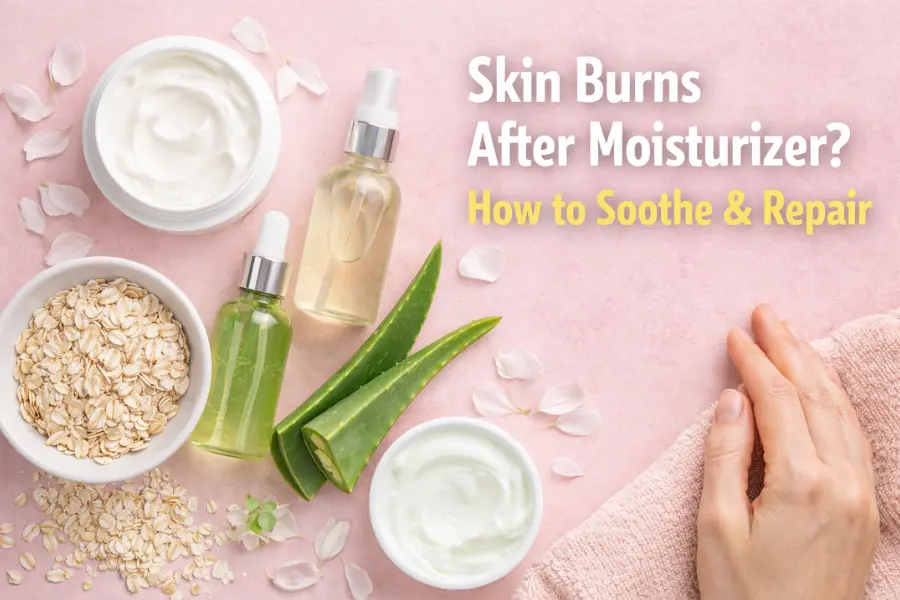
Step 3 – Apply Barrier-Repair Ingredients
Once your skin is clean, use products with soothing, barrier-repairing ingredients. These help calm inflammation, hydrate the skin, and restore the protective layer:
- Ceramides – Restore the skin’s natural protective barrier.
- Panthenol (Vitamin B5) – Moisturizes and soothes irritation.
- Aloe Vera – Reduces redness and calms burning sensations.
- Centella Asiatica (Cica) – Promotes healing and reduces inflammation.
- Colloidal Oatmeal – Soothes sensitive or itchy skin while locking in moisture.
Apply these ingredients in a thin layer and avoid layering multiple active products during this time.
Step 4 – Avoid Actives for 7–14 Days
During recovery, avoid active ingredients such as:
- Retinol
- Vitamin C
- Chemical exfoliants (AHAs/BHAs)
- Benzoyl peroxide
Giving your skin 7–14 days without actives allows your skin barrier to repair fully and reduces the chance of repeated burning or stinging.
Step 5 – Keep Routine Minimal
Less is more when your skin is sensitive. Stick to a simple, gentle routine:
- Cleanser: mild, fragrance-free
- Moisturizer: barrier-repair formula (with ceramides, panthenol, or colloidal oatmeal)
- Sunscreen: gentle, mineral-based (for daytime)
Avoid experimenting with new products or layering multiple treatments until your skin fully recovers. A minimalist routine supports faster healing and prevents further irritation.
How to Repair a Damaged Skin Barrier
A burning sensation after moisturizer is often a sign of a compromised skin barrier. Repairing it properly is essential to restore hydration, reduce sensitivity, and prevent long-term damage. Here’s a complete guide to help your skin recover safely.
7-Day Recovery Plan
Day 1–2:
- Stop all active ingredients (retinol, acids, vitamin C, benzoyl peroxide).
- Use only gentle cleansers and soothing moisturizers.
- Apply barrier-repair products like ceramides, panthenol, and aloe vera.
- Avoid makeup or harsh treatments.
Day 3–5:
- Continue hydration-focused routine.
- Introduce centella asiatica or colloidal oatmeal to calm inflammation.
- Use lukewarm water for cleansing, no hot showers.
Day 6–7:
- Your barrier should feel calmer and more resilient.
- Begin reintroducing mild actives (like low-percentage niacinamide) if tolerated.
- Keep layering minimal and observe skin response.
Ingredients to Use
Focus on hydrating and barrier-repairing ingredients:
- Ceramides – Restore the lipid barrier and lock in moisture.
- Panthenol (Vitamin B5) – Reduces inflammation and supports healing.
- Aloe Vera – Soothes irritation and redness.
- Centella Asiatica (Cica) – Promotes repair and strengthens skin resilience.
- Colloidal Oatmeal – Moisturizes and relieves itching.
- Squalane – Gentle, lightweight oil that supports barrier recovery.
- Glycerin & Hyaluronic Acid – Provide hydration without irritation.
Ingredients to Avoid
Until your skin fully recovers, avoid ingredients that can worsen burning:
- Retinoids (Retinol, Retinyl Palmitate)
- Vitamin C (high concentrations, especially L-ascorbic acid)
- AHAs/BHAs (glycolic acid, lactic acid, salicylic acid)
- Benzoyl Peroxide
- Alcohol-based or fragranced products
- Strong essential oils (tea tree, citrus, peppermint)
Sample Gentle Routine (AM + PM)
Morning Routine (AM):
- Cleanser: Mild, fragrance-free (avoid foaming cleansers that strip oils)
- Moisturizer: Barrier-repair formula with ceramides or colloidal oatmeal
- Sunscreen: Mineral-based SPF 30+, gentle, no chemical filters
Evening Routine (PM):
- Cleanser: Same gentle cleanser
- Barrier serum: Panthenol or Centella Asiatica-based serum
- Moisturizer: Same gentle moisturizer
Tips:
- Keep routine minimal; don’t layer too many products.
- Apply products gently, patting instead of rubbing.
- Observe your skin and note any irritation before reintroducing actives.
Repairing a damaged skin barrier takes patience and gentle care. By following a minimalist routine, using hydrating and soothing ingredients like ceramides, panthenol, and aloe vera, and avoiding harsh actives, your skin can regain its strength, calmness, and resilience. Consistency is key. Give your skin time to heal, and you’ll prevent burning and sensitivity in the future.
Ingredients That Commonly Cause Burning
Sometimes, a burning sensation after moisturizer isn’t just random. Certain ingredients are more likely to irritate the skin, especially if your barrier is compromised or your skin is sensitive. Understanding these culprits helps you choose products wisely and avoid future discomfort.
Fragrance
Fragrance is one of the most common triggers of skin irritation. Even products labelled as “natural” or “lightly scented” can contain compounds that cause stinging, redness, or allergic reactions. Sensitive skin types are particularly prone to contact dermatitis from synthetic or essential fragrances.
Alcohol
Alcohol in skincare, often listed as denatured alcohol, ethanol, or SD alcohol, can strip natural oils from the skin. While it might make products feel lightweight or help them absorb faster, alcohol can dry out your skin and weaken the skin barrier, leading to burning sensations after applying moisturizers.
Retinoids
Retinoids (like retinol, retinaldehyde, or retinyl palmitate) are highly effective anti-aging ingredients, but they increase cell turnover. For beginners or those with sensitive skin, retinoids can cause redness, peeling, and burning, especially if layered with other actives.
Exfoliating Acids (AHA/BHA)
Alpha hydroxy acids (AHAs) and beta hydroxy acids (BHAs) are chemical exfoliants that remove dead skin cells. Overuse or high concentrations can thin the outer layer of skin, compromise the barrier, and make your skin reactive to even gentle moisturizers.
Vitamin C (L-Ascorbic Acid)
High-strength L-ascorbic acid can be acidic and destabilise the skin’s pH temporarily. This may trigger stinging or burning, especially on sensitive, dry, or freshly exfoliated skin. Lower concentrations or buffered forms are usually better tolerated.
Essential Oils
Many essential oils, like tea tree, peppermint, eucalyptus, and citrus oils, are marketed for their natural benefits. However, they contain compounds that can be strong irritants, causing redness, stinging, or allergic reactions, particularly in those with sensitive or compromised skin.
Tip: When choosing moisturizers, always check the ingredient list. Opt for fragrance-free, alcohol-free, and gentle formulations to minimise the risk of burning, especially if your skin has recently experienced irritation.
How to Choose a Moisturizer That Won’t Burn
Choosing the right moisturizer is key to preventing burning or stinging sensations. The right product supports your skin barrier, hydrates effectively, and keeps irritation at bay. Here’s what to look for:
Look for Fragrance-Free
Fragrance is one of the most common causes of skin irritation. Opt for fragrance-free moisturizers, including both synthetic and natural scents. This minimizes the risk of contact dermatitis and burning, especially on sensitive or compromised skin.
Check the Ingredient List
Always read the ingredient list carefully. Avoid moisturizers containing alcohol, high-strength acids, strong retinoids, or essential oils if your skin is prone to irritation. Look for soothing and barrier-repair ingredients like ceramides, panthenol, and glycerin.
Patch Testing Guide
Before applying any new moisturizer to your face, perform a patch test:
- Apply a small amount on the inner arm or behind the ear.
- Wait 24–48 hours and check for redness, itching, or burning.
- If no reaction occurs, the product is likely safe for your face.
Patch testing prevents unexpected reactions and protects your skin.
Choose According to Skin Type
Select a moisturizer that fits your skin type:
- Dry skin: Look for rich creams with ceramides and oils.
- Oily skin: Choose lightweight, non-comedogenic gels or lotions.
- Sensitive skin: Stick to simple formulas with minimal ingredients.
A product suited to your skin type reduces the risk of burning.
pH-Balanced Products
Products with a balanced pH (around 5.0–5.5) support the skin barrier and prevent irritation. Highly acidic or alkaline moisturizers can destabilise the barrier, making your skin more sensitive to burning.
Avoid High Active Percentages
If your moisturizer contains actives like retinol, acids, or vitamin C, check the percentage. High concentrations can overwhelm your skin, especially if the barrier is weakened. Start with low percentages and gradually build tolerance.
Using these tips will help you choose a safe, soothing moisturizer that protects your skin while keeping it hydrated and irritation-free.
Sensitive Skin and Moisturizer Burning
People with sensitive skin are more prone to experiencing a burning sensation after applying moisturizer. Understanding why this happens and how to manage it can help prevent discomfort and keep your skin calm and healthy.
Why Sensitive Skin Reacts More
Sensitive skin has a weaker or more reactive skin barrier, which makes it more susceptible to irritation from fragrance, alcohol, high-strength actives, and even gentle ingredients in some cases. Small environmental factors like heat, pollution, or harsh water can also trigger stinging or redness.
Because the barrier is compromised, ingredients penetrate deeper, causing nerve endings to react and create that burning or tingling sensation.
How to Build Tolerance
If you have sensitive skin, you can gradually improve tolerance by:
- Introducing new products slowly (one at a time).
- Starting with low concentrations of actives like retinol or vitamin C.
- Using soothing, barrier-repair ingredients such as ceramides, panthenol, and aloe vera.
- Observing how your skin reacts for 24–48 hours before full application.
This step-by-step approach helps your skin adapt without triggering burning.
Minimal Routine Strategy
Sensitive skin benefits from a minimalist skincare routine:
- Cleanser: Mild, fragrance-free
- Moisturizer: Barrier-repair formula
- Sunscreen: Gentle, mineral-based SPF for daytime
Avoid layering multiple actives at once and skip unnecessary treatments until your skin is stable. Keeping your routine simple reduces the risk of moisturizer burning and allows your skin barrier to strengthen naturally.
Can Oily Skin Experience Burning Too?
Many people assume that oily skin is tough and less prone to irritation. However, even oily skin can experience a burning sensation after applying moisturizer, especially if the skin barrier has been compromised. Understanding the reasons helps prevent discomfort and maintain healthy skin.
Over-Cleansing
Oily skin often leads people to wash their face multiple times a day to control shine. Over-cleansing strips away natural oils, leaving the skin vulnerable and reactive. When a moisturizer is applied to over-washed skin, it can sting or burn because the protective barrier is weakened.
Stripping Barrier
Products designed to reduce oil, like strong foaming cleansers or astringents, can strip lipids from the skin barrier. A compromised barrier allows ingredients to penetrate too deeply, triggering burning, redness, or tightness, even in oily skin types.
Acne Treatments Causing Sensitivity
Many acne treatments, including benzoyl peroxide, salicylic acid, or topical retinoids, can increase sensitivity. Using a moisturizer immediately after these products, or combining multiple treatments, can lead to stinging or burning, especially if the skin barrier is already fragile.
Even oily skin benefits from hydrating, barrier-repairing moisturizers and gentle cleansing. Avoid over-cleansing and focus on restoring balance to prevent irritation.
How Long Should Burning Last?
Feeling a burning sensation after applying moisturizer can be alarming, but understanding how long it should last helps you determine if it’s normal or if immediate action is needed.
30 Seconds Rule
A mild tingling or slight stinging is usually normal if it disappears within 30 seconds. This brief sensation often happens when the skin is slightly dehydrated, sensitive, or reacting to a gentle active ingredient. Once the feeling fades and your skin looks calm, there’s generally no cause for concern.
When to Stop Immediately
If the burning persists beyond a minute, intensifies, or spreads across your face, it’s a signal to stop using the product immediately. Continuing to apply the moisturizer can worsen irritation and further damage your skin barrier.
Signs of Emergency Reaction
In rare cases, burning can indicate a serious reaction. Seek medical advice immediately if you notice:
- Swelling of the eyes, lips, or face
- Severe, spreading redness
- Blistering or peeling
- Intense itching or pain
- Hives or rash
Recognising these warning signs early is key to preventing long-term damage and ensuring your skin heals safely.
When to See a Dermatologist
While most burning sensations after moisturizer are mild and temporary, sometimes professional care is necessary. Knowing the warning signs can help you protect your skin and prevent long-term damage.
Swelling
If your face, lips, or eyes swell noticeably after applying a moisturizer, it may indicate an allergic reaction or severe irritation. Swelling is a clear signal to stop using the product and consult a dermatologist immediately.
Hives
Raised, itchy bumps or hives are a common sign of contact dermatitis or an allergic reaction. These can appear shortly after using a product and often require professional guidance for proper treatment.
Blisters
Blistering indicates a more severe reaction that should never be ignored. Applying moisturizers or other products on blistered skin can worsen inflammation and delay healing.
Severe Redness
Persistent or spreading redness beyond mild irritation suggests that your skin is highly reactive or that the barrier has been severely compromised. A dermatologist can recommend the right soothing treatments and barrier-repair strategies.
Persistent Pain
If burning or stinging does not improve within hours or is accompanied by discomfort, it’s a warning sign that your skin needs professional attention. Painful reactions often require tailored care to restore barrier function safely.
Recognising these symptoms early ensures timely intervention and prevents complications. If any of these signs appear, stop using the product immediately and seek professional advice.
Common Skincare Mistakes That Cause Burning
Sometimes, a burning sensation after moisturizer isn’t caused by the product itself. It’s often the result of common skincare mistakes. Avoiding these habits can help protect your skin barrier and keep your routine safe and effective.
Mixing Actives
Combining strong ingredients like retinol, AHAs/BHAs, vitamin C, or benzoyl peroxide can overwhelm your skin. These combinations often trigger stinging, redness, and irritation, especially on sensitive or compromised skin. Introduce actives gradually and never mix multiple potent treatments at once.
Over-Layering
Applying too many products in one routine can overload your skin, even with gentle ingredients. Over-layering can strain your barrier, leading to burning or tingling when moisturizer is applied. Stick to a minimalist approach, focusing on hydration and barrier repair.
Following Trends Blindly
Trendy skincare routines or viral products aren’t always suitable for your skin type. Using a new, highly active product without considering your skin’s needs can easily trigger burning or irritation. Always research ingredients and understand your skin’s tolerance before experimenting.
Not Waiting Between Steps
Some reactions occur because products are applied too quickly, without allowing proper absorption. For example, applying active serums immediately followed by moisturizer can increase the chance of burning or stinging. Wait 1–3 minutes between layers, especially after strong actives.
Using Expired Products
Expired skincare products can lose stability, degrade ingredients, and even develop harmful compounds. Using expired moisturizers or serums may cause unexpected irritation, stinging, or burning. Always check the expiration date and storage instructions before use.
Avoiding these common mistakes helps reduce the risk of moisturizer burning and supports a healthy, resilient skin barrier.
Prevention Checklist
Preventing burning after moisturizer is easier when you follow a simple, actionable routine. Here’s a quick checklist to keep your skin calm, hydrated, and irritation-free:
- Choose fragrance-free and alcohol-free moisturizers to reduce irritation.
- Patch-test new products before applying to your entire face.
- Introduce active ingredients gradually and at low concentrations.
- Avoid over-exfoliating or using multiple strong actives together.
- Keep your routine minimal — cleanse, moisturize, and sunscreen only if possible.
- Apply products gently, patting instead of rubbing.
- Wait 1–3 minutes between layers to allow absorption.
- Avoid expired or unstable products.
- Focus on barrier-repair ingredients like ceramides, panthenol, aloe vera, centella asiatica, and colloidal oatmeal.
- Monitor your skin and adjust your routine if stinging, redness, or burning occurs.
Following these steps consistently helps maintain a healthy skin barrier, prevent irritation, and make your skincare routine more effective.
Frequently Asked Questions
Here are some of the most common questions about skin burns after moisturizer with clear, actionable answers for your readers:
A slight tingling or mild stinging immediately after applying moisturizer can happen, especially if your skin is sensitive, dry, or recently exfoliated. This is usually temporary and fades within seconds. However, if the burning is intense, lasts for several minutes, or causes visible redness, it could be a sign of irritation, an allergic reaction, or a compromised skin barrier. Monitoring your skin and switching to gentle, barrier-repair formulas can help prevent repeated discomfort.
Yes. If your moisturizer causes persistent or strong burning, you should stop using it immediately. Continuing to apply a product that irritates your skin can worsen barrier damage, lead to inflammation, and even trigger contact dermatitis. Switch to a soothing, fragrance-free moisturizer containing ceramides, panthenol, or aloe vera and give your skin time to recover. Once your skin feels calm, you can slowly reintroduce other products.
Absolutely. Dry or dehydrated skin has a weakened barrier, meaning it cannot retain moisture effectively. This leaves nerve endings more exposed, making your skin more sensitive to even gentle moisturizers. Burning can also occur if your moisturizer contains active ingredients, like acids or retinol, because they penetrate deeper into compromised skin. Regular hydration and barrier-repair ingredients are key to preventing this type of burning.
Even products labelled as gentle or hypoallergenic can cause burning if your skin barrier is damaged or stressed. Factors like over-exfoliation, sun exposure, environmental irritants, or layering multiple products can make skin more reactive. In this case, burning is a symptom of barrier compromise, not necessarily the moisturizer itself. Repairing your barrier with soothing ingredients and simplifying your routine usually resolves this issue.
Hyaluronic acid is generally gentle and hydrating, but in some cases, it can cause a slight stinging sensation. This happens especially on very dry or sensitive skin, where the acid draws water rapidly from deeper layers, creating temporary discomfort. Layering hyaluronic acid over damaged or recently exfoliated skin can intensify the stinging. Using low-concentration hyaluronic acid and combining it with ceramides or oils often prevents burning.
Yes, a damaged skin barrier can heal naturally, but the process is slow and requires proper care. Without repair, your skin remains sensitive, prone to burning, redness, and irritation. Using products with ceramides, panthenol, aloe vera, centella asiatica, or colloidal oatmeal accelerates recovery by replenishing lipids and calming inflammation. Avoid harsh activities, over-cleansing, and environmental stressors during this time for faster and safer healing.
The duration of irritation depends on the severity of the reaction and the state of your skin barrier:
- Mild tingling: Usually lasts a few seconds to a minute.
- Moderate burning: Can last a few minutes to an hour.
- Severe irritation: May persist for hours or even days, especially if caused by an allergic reaction or overuse of actives.
If burning or redness continues beyond a few hours or worsens over time, it’s a sign to pause products and focus on soothing and repairing the skin barrier.
For irritated or burning skin, choose moisturizers that are fragrance-free, alcohol-free, and gentle. Look for key barrier-repair ingredients like:
- Ceramides – Restore protective lipids
- Panthenol – Calms and heals inflammation
- Aloe vera – Reduces redness and stinging
- Centella asiatica (Cica) – Supports barrier repair
- Colloidal oatmeal – Soothes irritation and locks in moisture
Avoid moisturizers with strong actives, acids, retinol, high vitamin C, alcohol, or essential oils until your skin has fully recovered.
Yes. Excessive exfoliation removes the protective outer layer of the skin, weakening the barrier. When you apply moisturizer afterwards, ingredients penetrate more deeply, sometimes causing stinging, burning, or redness. To prevent this, limit chemical and physical exfoliation, allow your skin to recover, and always follow with hydrating, barrier-repair products.
To avoid moisturizer burning:
- Patch-test all new products before applying to your entire face.
- Stick to fragrance-free, alcohol-free, gentle moisturizers.
- Introduce actives gradually, starting with low concentrations.
- Avoid over-layering multiple products at once.
- Keep your skincare routine minimalist, focusing on hydration and barrier repair.
- Pay attention to your skin’s reactions and adjust your routine if stinging occurs.
- Use soothing ingredients like ceramides, panthenol, aloe vera, and colloidal oatmeal to support barrier health.
Following these steps consistently will help prevent future burning, maintain a healthy skin barrier, and keep your skin comfortable, hydrated, and resilient.
Understanding why your skin burns after moisturizer is the first step toward healthier, calmer skin. By following the guidance in these FAQs from identifying irritants and sensitive skin triggers to choosing the right products and routines, you can prevent stinging, repair your skin barrier, and enjoy a comfortable, hydrated complexion. Remember, patience and gentle care are key to long-term skin health.
Final Thoughts
Experiencing skin burns after moisturizer can be unsettling, but it’s usually a sign that your skin barrier needs care, not that something is seriously wrong. With patience, gentle products, and a consistent routine, your skin can recover fully and become more resilient over time.
Always take a cautious approach, introduce new products slowly, avoid over-layering, and focus on hydrating, barrier-repairing ingredients. Remember to patch-test any new moisturizer or active product to prevent unexpected reactions and keep your skin safe.
Your journey to healthy, calm skin starts with small, careful steps. Explore more skincare guides on our website to learn how to protect, repair, and nourish your skin effectively.





- Be Respectful
- Stay Relevant
- Stay Positive
- True Feedback
- Encourage Discussion
- Avoid Spamming
- No Fake News
- Don't Copy-Paste
- No Personal Attacks
- Be Respectful
- Stay Relevant
- Stay Positive
- True Feedback
- Encourage Discussion
- Avoid Spamming
- No Fake News
- Don't Copy-Paste
- No Personal Attacks
