How to Repair Over-Exfoliated Skin Fast: Complete Guide
Published: 6 Mar 2026
How to repair over-exfoliated skin fast is a question many skincare users ask after realising they may have used too many exfoliating products. Exfoliation is a popular step in skincare because it helps remove dead skin cells, unclog pores, and improve overall skin texture. When done correctly, it can make the skin appear smoother, brighter, and more radiant while helping other skincare products absorb better.
However, problems begin when exfoliation is done too often or with strong acids and scrubs. Overusing chemical exfoliants, retinol, or harsh physical scrubs can weaken the skin’s natural protective barrier. Instead of glowing skin, you may notice redness, irritation, dryness, burning sensations, or increased sensitivity. These are common signs of over-exfoliated skin and indicate that your skin barrier needs time to recover.
When the skin barrier becomes damaged, it struggles to retain moisture and defend against environmental stressors such as pollution and bacteria. This can lead to persistent dryness, inflammation, and sensitivity. That is why learning how to repair over-exfoliated skin fast is so important. Restoring the skin barrier quickly helps calm irritation and prevent further damage.
The good news is that skin has a strong ability to heal when given the right care. By focusing on gentle skincare, hydrating ingredients, and barrier-repair treatments, you can restore balance and help your skin recover.
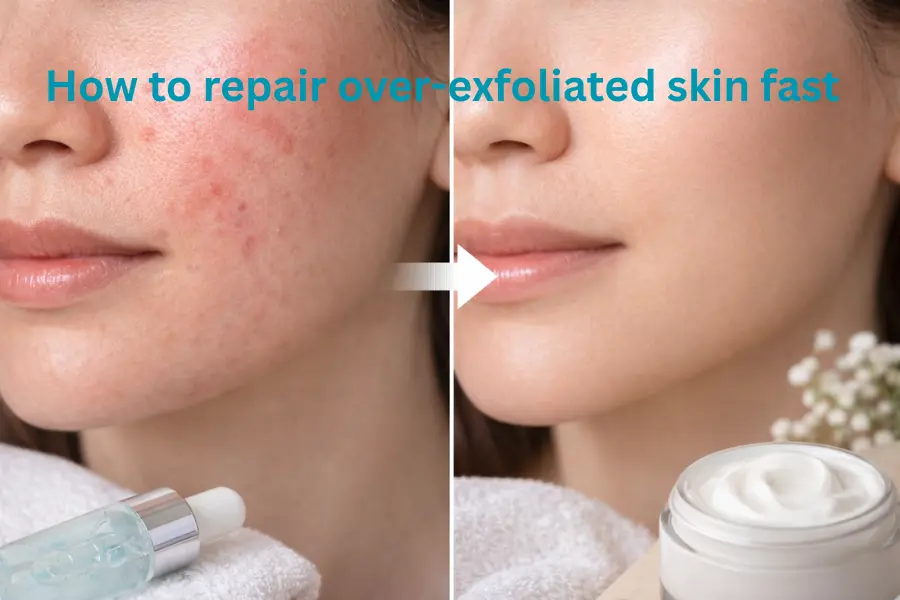
In this guide, you will learn how to identify the signs of over-exfoliated skin, understand what causes skin-barrier damage, and discover the most effective ways to repair it fast. You will also find the best ingredients for skin recovery, a simple healing skincare routine, and expert tips to help you exfoliate safely in the future.
Understanding Over-Exfoliated Skin
Before learning how to repair over-exfoliated skin fast, it is important to understand what exfoliation actually does to your skin and why overdoing it can cause serious damage to your skin barrier. Exfoliation is a helpful skincare step when done correctly, but excessive exfoliation can weaken the skin’s natural defences and cause irritation, dryness, and sensitivity. Knowing how exfoliation works will help you recognise when your skin needs care and recovery.
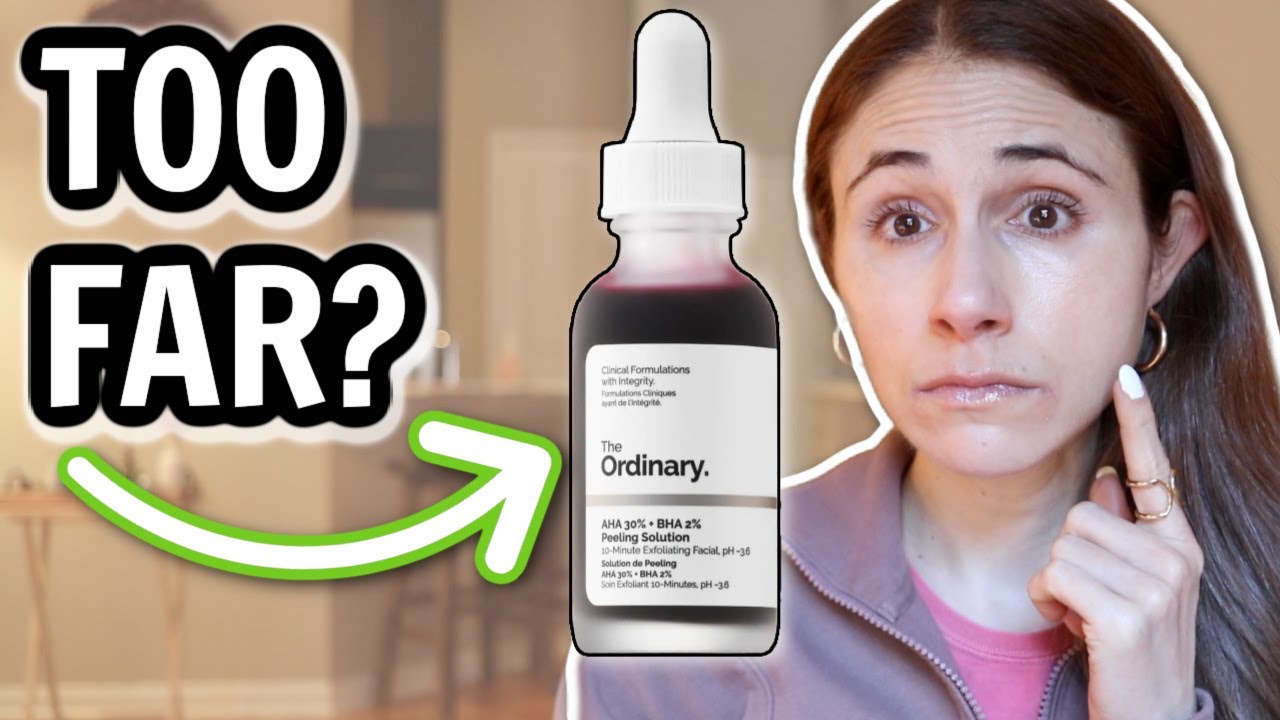
Signs of over-exfoliating the skin // HOW TO RECOVER FROM TOO MUCH EXFOLIATING
What Is Skin Exfoliation?
Skin exfoliation is the process of removing dead skin cells from the outermost layer of the skin. Our skin naturally sheds dead cells over time, but this process can slow as we age, under environmental stress, or due to product buildup. Exfoliation helps speed up this process, allowing fresh and healthy skin to appear on the surface.
There are two main types of exfoliation methods used in skincare routines.
Physical vs Chemical Exfoliation
Physical exfoliation involves manually removing dead skin cells using tools or products such as scrubs, brushes, sponges, or exfoliating gloves. These products contain small particles that physically buff away the outer layer of dead skin. While they can leave the skin feeling smooth, harsh scrubbing may cause micro-tears and irritation, especially for sensitive skin types.
Chemical exfoliation, on the other hand, uses active ingredients such as alpha hydroxy acids (AHAs), beta hydroxy acids (BHAs), and enzymes to dissolve the bonds that hold dead skin cells together. These ingredients work more gently when used correctly and are commonly found in toners, serums, and peeling solutions.
Both methods can be effective, but using them too frequently can lead to over-exfoliation.
Why People Exfoliate Their Skin
Many people add exfoliation to their skincare routine because it helps improve the overall appearance and texture of their skin. Removing dead skin cells can make the complexion look brighter, smoother, and more refreshed.
Exfoliation is also commonly used to help unclog pores, reduce blackheads, and improve the effectiveness of other skincare products. When the outer layer of dead skin cells is removed, moisturisers and treatments can penetrate the skin more effectively.
Benefits of Proper Exfoliation
When done in moderation, exfoliation offers several benefits for the skin. It can promote cell turnover, which helps keep the skin looking youthful and vibrant. Proper exfoliation can also improve skin tone, reduce dullness, and create a smoother texture.
In addition, exfoliating correctly may help reduce the appearance of fine lines, improve acne-prone skin, and support better absorption of serums and moisturisers. However, these benefits only occur when exfoliation is balanced and gentle.
What Happens When You Over-Exfoliate?
While exfoliation can be beneficial, using too many active ingredients, strong acids, or harsh scrubs can damage the skin rather than improve it. Over-exfoliation occurs when excessive exfoliating treatments weaken the skin’s protective barrier.
Damage to the Skin Barrier
The most serious effect of over-exfoliation is damage to the skin barrier. The outer layer of the skin acts as a shield that protects against harmful environmental elements. When this layer becomes compromised, the skin loses its ability to maintain balance.
A damaged skin barrier often appears red, irritated, and sensitive. It may also feel tight or uncomfortable, especially after applying skincare products.
Increased Sensitivity and Inflammation
Another common effect of over-exfoliation is heightened skin sensitivity. Products that once felt normal may suddenly cause stinging, burning, or redness. This happens because the skin’s natural defence system has been weakened.
Inflammation can also develop when the skin barrier is compromised. This may lead to persistent redness, irritation, or unexpected breakouts.
Loss of Natural Oils and Moisture
Excessive exfoliation strips the skin of its natural oils, which are essential for maintaining proper hydration. Without these oils, the skin becomes extremely dry, flaky, and dehydrated.
Moisture loss can also make the skin appear tight, shiny, or overly smooth, which are often signs of over-exfoliated skin.
Why the Skin Barrier Is So Important
The skin barrier, also known as the protective barrier, plays a critical role in maintaining healthy skin. It is the outermost layer that protects the deeper layers of the skin from external damage.
Role of the Protective Barrier
The protective barrier helps regulate moisture levels, maintain skin balance, and defend against harmful environmental factors. It keeps essential hydration inside the skin while blocking irritants and pollutants from entering.
A healthy skin barrier ensures that the skin remains hydrated, resilient, and less prone to irritation.
How It Protects Against Bacteria, Irritation, and Dehydration
When the skin barrier is strong, it acts like a shield against bacteria, pollution, allergens, and harsh weather conditions. It also prevents excessive water loss, which keeps the skin soft and comfortable.
However, when the barrier becomes damaged due to over-exfoliation, the skin becomes vulnerable to irritation, infection, and dehydration. This is why learning how to repair over-exfoliated skin fast is essential for restoring balance and protecting the skin’s long-term health.
Understanding Over-Exfoliated Skin
To truly understand how to repair over-exfoliated skin fast, it helps to first know what exfoliation does to the skin and how it can sometimes go wrong. Exfoliation is widely used in skincare routines because it helps remove dead skin cells, improve skin texture, and create a brighter complexion. However, when exfoliation is done too frequently or with products that are too strong, it can lead to over-exfoliated skin and weaken the natural skin barrier.
Learning how exfoliation works and why the protective barrier is essential will help you recognise the early signs of damage and take the right steps to support skin recovery.
What Is Skin Exfoliation?
Skin exfoliation is the process of removing the outermost layer of dead skin cells from the skin’s surface. Normally, the skin naturally sheds these cells through a process called cell turnover, but this process can slow down due to age, environmental stress, or product buildup. Exfoliation helps speed up this renewal process and allows newer, healthier skin cells to appear.
Physical vs Chemical Exfoliation
There are two main types of exfoliation methods used in skincare: physical and chemical.
Physical exfoliation involves using products or tools that manually scrub away dead skin cells. These may include facial scrubs, cleansing brushes, exfoliating gloves, or textured sponges. While they can make the skin feel instantly smooth, aggressive scrubbing can sometimes cause micro-tears and irritation, especially if used too frequently.
Chemical exfoliation works differently. Instead of scrubbing the skin, it uses ingredients such as alpha hydroxy acids (AHAs), beta hydroxy acids (BHAs), and fruit enzymes to break down the bonds that hold dead skin cells together. These ingredients are commonly found in toners, serums, masks, and chemical peels. When used correctly, chemical exfoliants can provide smoother and more even skin without harsh rubbing.
Both forms of exfoliation can be beneficial, but overusing them is one of the main reasons people search for how to repair over-exfoliated skin fast.
Why People Exfoliate Their Skin
Many people include exfoliation in their routine because it improves the overall appearance of their skin. By removing dead skin cell buildup, exfoliation helps reveal a brighter, fresher complexion.
Exfoliating can also help unclog pores, reduce blackheads, and improve the effectiveness of other skincare products. When the surface layer of dead skin cells is removed, serums, moisturisers, and treatments can penetrate the skin more effectively.
Benefits of Proper Exfoliation
When exfoliation is done gently and in moderation, it can provide several benefits for the skin. One of the biggest advantages is improved cell turnover, which helps keep the skin looking smooth and healthy.
Proper exfoliation may also help improve uneven skin tone, reduce dullness, and refine the appearance of large pores. Many people also notice that their skin feels softer and more radiant after exfoliating correctly.
However, these benefits only occur when exfoliation is balanced. Excessive exfoliation can quickly lead to skin irritation and barrier damage.
What Happens When You Over-Exfoliate?
While exfoliation can enhance the skin’s appearance, overdoing it can have the opposite effect. Over-exfoliation happens when the skin is exposed to too many exfoliating products, strong acids, or aggressive scrubbing.
Instead of improving the skin, excessive exfoliation weakens the skin’s natural barrier and disrupts the balance that keeps it healthy.
Damage to the Skin Barrier
One of the most serious consequences of over-exfoliation is damage to the skin barrier. The outermost layer of the skin acts as a protective shield that locks in moisture and defends against harmful environmental elements.
When this barrier becomes compromised, the skin loses its ability to maintain hydration and protection. This often results in redness, irritation, and dryness, which are common signs of over-exfoliated skin.
Increased Sensitivity and Inflammation
Another effect of over-exfoliation is increased skin sensitivity. Once the protective barrier is weakened, the skin becomes more reactive to everyday products.
You may notice burning, stinging, or redness when applying skincare products that previously felt normal. This heightened sensitivity is a clear sign that the skin needs time to recover and repair.
Inflammation may also occur, leading to persistent redness, irritation, and occasional breakouts.
Loss of Natural Oils and Moisture
Excessive exfoliation can strip away the skin’s natural oils, which are essential for maintaining hydration and balance. Without these oils, the skin struggles to retain moisture.
As a result, the skin may become extremely dry, flaky, and tight. Some people also notice their skin looking overly shiny or thin, which is another common symptom of over-exfoliated skin.
Why the Skin Barrier Is So Important
The skin barrier is one of the most important components of healthy skin. It acts as the body’s first line of defence against environmental damage while also maintaining proper moisture balance.
A healthy protective barrier ensures that the skin remains hydrated, resilient, and less prone to irritation.
Role of the Protective Barrier
The protective barrier, often called the moisture barrier, is responsible for keeping essential hydration inside the skin. At the same time, it prevents harmful substances from penetrating deeper layers of the skin.
This barrier helps regulate water retention, maintain skin balance, and support the skin’s natural healing process.
How It Protects Against Bacteria, Irritation, and Dehydration
When the skin barrier is functioning properly, it acts like a shield against bacteria, pollutants, allergens, and harsh environmental conditions. It also prevents excessive water loss, which keeps the skin soft and hydrated.
However, when the barrier becomes damaged due to over-exfoliation, the skin becomes vulnerable to irritation, infection, and dehydration. This is why restoring the barrier quickly is essential when learning how to repair over-exfoliated skin fast and bring the skin back to a healthy state.
Signs Your Skin Is Over-Exfoliated
Recognising the early signs of over-exfoliated skin is essential if you want to understand how to repair over-exfoliated skin fast. When the skin is exposed to too many exfoliating acids, scrubs, or active ingredients, its natural skin barrier can become weakened. Once this barrier is damaged, the skin begins to show clear warning signs that it needs rest and repair.
Many people mistake these symptoms for other skin problems and continue using strong products, which can worsen the situation. By learning to identify these signals early, you can stop the damage and begin restoring your skin’s protective barrier before the irritation worsens.
Redness and Irritation
One of the most common signs of over-exfoliated skin is persistent redness and irritation. The skin may appear flushed, inflamed, or sensitive even when you are not using skincare products.
Why Inflammation Occurs
This redness happens because excessive exfoliation disrupts the skin barrier, leaving the skin exposed and vulnerable. Without this protective layer, the skin becomes more reactive to environmental factors such as sun exposure, pollution, and temperature changes.
The body responds to this damage with inflammation, which causes visible redness and discomfort. If exfoliation continues during this stage, the irritation may worsen and take longer to heal.
Burning or Stinging Sensation
Another clear warning sign is a burning or stinging sensation, especially when applying skincare products that previously felt gentle.
Especially When Applying Skincare Products
When the protective skin barrier becomes compromised, ingredients that normally would not irritate can suddenly feel uncomfortable. Even simple products like cleansers, moisturisers, or sunscreens may trigger a stinging or tingling feeling.
This happens because the damaged skin barrier allows ingredients to penetrate deeper into the skin, leading to increased sensitivity and irritation. If you experience this sensation frequently, it is often a sign that your skin needs time to recover from over-exfoliation.
Extreme Dryness and Flakiness
Another common symptom of over-exfoliated skin is extreme dryness and flakiness. The skin may start to feel rough, tight, or uncomfortable throughout the day.
Loss of Moisture Barrier
Excessive exfoliation removes not only dead skin cells but also the natural oils that help maintain the skin’s moisture barrier. Without these oils, the skin struggles to hold onto hydration.
As a result, the skin may become dehydrated, flaky, and visibly dry. Some people notice small patches of peeling skin or rough texture around sensitive areas such as the nose, cheeks, or chin. Restoring moisture is one of the most important steps when learning how to repair over-exfoliated skin fast.
Breakouts and Increased Sensitivity
Surprisingly, over-exfoliation can also lead to unexpected breakouts and increased skin sensitivity.
Skin Becoming Reactive
When the skin barrier is damaged, the skin becomes more reactive to external triggers. This can lead to inflammation, clogged pores, and acne-like breakouts, even if your skin is not normally acne-prone.
Additionally, the skin may react more strongly to products, environmental changes, or even touch. This heightened skin sensitivity is a clear indication that the skin barrier has been weakened and needs time to rebuild.
Shiny, Tight, or Thin-Looking Skin
One of the most overlooked symptoms of over-exfoliated skin is the appearance of unusually shiny, tight, or thin skin.
A Common but Overlooked Sign
After excessive exfoliation, the outer protective layer of the skin becomes thinner. This can create an unnatural shiny appearance, which some people mistakenly think is a healthy glow.
However, this shine often indicates that the skin’s protective barrier has been stripped away. The skin may also feel tight, delicate, or overly smooth, making it more vulnerable to irritation and dehydration.
Recognising this sign early is important because it allows you to stop using harsh products and begin focusing on repairing the skin barrier before the damage becomes more severe.
What Causes Over-Exfoliated Skin
Understanding the causes of over-exfoliated skin is essential for learning how to repair it fast. Many people damage their skin barrier without realising it because they believe that more exfoliation will lead to faster results. In reality, excessive exfoliation can weaken the skin’s natural defences and lead to irritation, dryness, inflammation, and sensitivity.
Several common skincare habits contribute to damage to the skin barrier. Recognising these causes can help you avoid them in the future and protect your skin from unnecessary stress.
Using Exfoliating Acids Too Frequently
One of the most common causes of over-exfoliation is using exfoliating acids too often. Chemical exfoliants such as alpha hydroxy acids (AHAs) and beta hydroxy acids (BHAs) are widely used in skincare because they help remove dead skin cells and improve skin texture.
AHAs, BHAs, and Strong Peels
While these ingredients can provide visible benefits, using them too frequently can weaken the skin barrier. Strong treatments such as chemical peels or high-concentration exfoliating solutions can strip away the protective outer layer of the skin when used too often.
Instead of improving the skin, excessive use of AHAs, BHAs, and strong peels can lead to redness, irritation, dryness, and increased sensitivity. This is why it is important to give the skin enough time to recover between exfoliation treatments.
Mixing Too Many Active Ingredients
Another common cause of over-exfoliated skin is combining multiple active ingredients in the same skincare routine.
Retinol + Acids + Scrubs
Many people unknowingly overload their skin by using retinol, exfoliating acids, and physical scrubs simultaneously. Each of these ingredients is powerful on its own, but when used together, they can overwhelm the skin and damage its barrier.
For example, applying retinol alongside AHAs or BHAs can significantly increase skin sensitivity and irritation. Adding a physical scrub on top of these ingredients may further damage the skin’s protective layer.
When too many strong ingredients are used together, the skin struggles to maintain balance, which often leads to over-exfoliation and inflammation.
Harsh Physical Scrubs
While physical exfoliation can help remove dead skin cells, using harsh scrubs can damage the skin if they are too abrasive.
Micro-Tears in the Skin
Some scrubs contain large or rough particles that can create tiny micro-tears in the skin. These microscopic injuries weaken the skin barrier, increasing the risk of irritation and inflammation.
Repeated use of harsh scrubs may make the skin red, sensitive, and rough. Over time, this damage can make the skin more vulnerable to dryness, infection, and environmental stress.
Choosing gentler exfoliating products and avoiding aggressive scrubbing can help protect the skin’s natural barrier.
Exfoliating Every Day
Many people believe that exfoliating daily will keep their skin looking fresh and smooth. However, this habit can quickly lead to over-exfoliated skin.
Why Skin Needs Recovery Time
The skin requires time to renew itself and maintain a healthy moisture barrier naturally. When exfoliation is performed too often, the skin does not have enough time to repair the outer protective layer.
Daily exfoliation can gradually strip away the natural oils that keep the skin hydrated and balanced. As a result, the skin may become dry, irritated, and overly sensitive.
For most people, exfoliating once to twice per week is enough to maintain healthy skin without damaging the protective barrier.
Following Viral Skincare Trends Without Understanding Your Skin
Social media has made skincare information more accessible, but it has also led many people to follow viral skincare trends without understanding their own skin’s needs.
Many online trends encourage using strong exfoliating treatments, layering active ingredients, or applying multiple acids in a single routine. While these routines may work for some individuals, they can easily cause over-exfoliation for others.
Every person’s skin is different, and what works for one skin type may not be suitable for another. Following trends without considering your skin type, sensitivity level, and existing skincare routine can lead to serious damage to your skin barrier.
Learning to listen to your skin and choosing products carefully is key to preventing over-exfoliated skin and maintaining long-term skin health.
How to Repair Over-Exfoliated Skin Fast
If your skin feels irritated, sensitive, or unusually dry, you may be experiencing over-exfoliated skin. The good news is that with the right approach, it is possible to repair the skin barrier and restore balance. Understanding how to repair over-exfoliated skin quickly involves focusing on gentle care, hydration, and avoiding ingredients that could further irritate it.
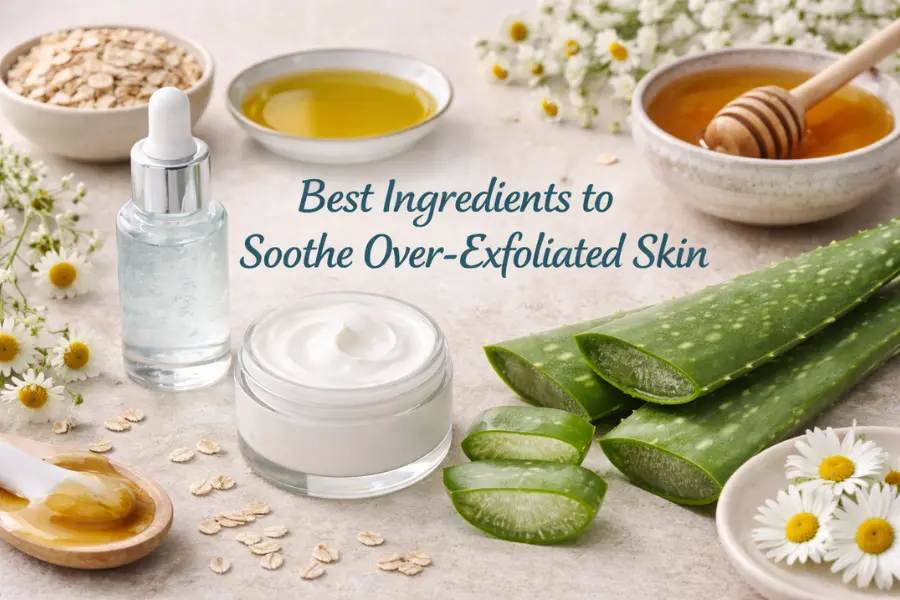
When the skin barrier is damaged, the priority should be to calm inflammation and rebuild the protective layer that keeps moisture in and irritants out. A simple and supportive skincare routine can help the skin recover faster and return to a healthy state.
Stop All Exfoliating Products Immediately
The first and most important step in repairing over-exfoliated skin is to stop using all exfoliating products right away.
Give Skin Time to Reset
Products containing AHAs, BHAs, retinol, scrubs, or chemical peels should be paused until your skin fully recovers. Continuing to exfoliate at this stage can worsen skin-barrier damage and increase irritation.
Giving your skin time to reset allows the natural skin repair process to begin. In many cases, simply removing harsh products from your routine can significantly reduce redness, burning sensations, and dryness within a few days.
Simplify Your Skincare Routine
When dealing with over-exfoliated skin, less is often more. A complicated routine with too many products can overwhelm already sensitive skin.
Minimal Products Approach
A minimal skincare routine should focus on only a few essential products: a gentle cleanser, a hydrating serum, a barrier-repair moisturiser, and sunscreen during the day.
Avoid introducing new active ingredients or experimenting with unfamiliar products while your skin is healing. Keeping your routine simple reduces the risk of irritation and allows your skin barrier to recover more efficiently.
Focus on Hydration
Hydration is one of the most important factors when learning how to repair over-exfoliated skin fast. Damaged skin often struggles to retain moisture, which leads to dryness, flakiness, and tightness.
Importance of Humectants
Using products that contain humectants can help restore hydration to the skin. Humectants are ingredients that attract water and draw moisture into the outer layers of the skin.
By improving hydration levels, humectants help the skin feel softer and support the recovery of the moisture barrier. Hydrated skin is also better able to repair itself and reduce visible irritation.
Use Barrier-Repair Ingredients
Certain skincare ingredients are particularly effective at restoring a damaged skin barrier. These ingredients help strengthen the skin’s protective layer while improving hydration and comfort.
Ceramides
Ceramides are naturally occurring lipids that play a crucial role in maintaining the skin barrier. They help hold skin cells together and prevent moisture loss.
Using skincare products that contain ceramides can help rebuild the damaged barrier and restore the skin’s ability to retain hydration.
Panthenol
Panthenol, also known as provitamin B5, is well known for its soothing and moisturising properties. It helps calm irritated skin, reduce redness, and support the skin’s natural healing process.
Products containing panthenol are particularly helpful when the skin feels inflamed or sensitive due to excessive exfoliation.
Hyaluronic Acid
Hyaluronic acid is a powerful hydrating ingredient that can hold large amounts of water within the skin. It helps improve skin hydration and temporarily smooths the appearance of dryness and roughness.
When used on over-exfoliated skin, hyaluronic acid can help restore moisture and reduce the tight feeling often associated with barrier damage.
Glycerin
Glycerin is another effective humectant that draws moisture into the skin. It helps maintain hydration levels and supports the repair of the moisture barrier.
Because glycerin is gentle and widely tolerated, it is commonly found in many hydrating skincare products designed for sensitive or damaged skin.
Apply a Gentle Moisturiser
A high-quality moisturiser plays an important role in restoring over-exfoliated skin.
Locking in Hydration
Moisturisers help seal in the hydration provided by humectants and prevent water from evaporating from the skin’s surface. This process supports the rebuilding of the skin barrier and reduces dryness.
Look for moisturisers that contain ceramides, fatty acids, and soothing ingredients to help strengthen the skin’s protective layer. Applying moisturiser regularly can significantly improve comfort and speed up recovery.
Avoid Harsh Cleansers
While cleansing is an important part of any skincare routine, using the wrong cleanser can worsen skin irritation.
Use Mild and Fragrance-Free Formulas
Harsh cleansers that contain strong detergents, alcohol, or heavy fragrances can strip away the skin’s natural oils and aggravate over-exfoliated skin.
Instead, choose a gentle, fragrance-free cleanser designed for sensitive or damaged skin. Mild cleansers help remove dirt and oil without disrupting the skin barrier, allowing the skin to heal more effectively.
Protect Your Skin With Sunscreen
Sun protection becomes even more important when dealing with over-exfoliated skin. A weakened skin barrier is more vulnerable to UV damage, which can worsen redness and irritation.
Prevent Further Damage
Applying a broad-spectrum sunscreen every morning helps protect the skin from harmful UV rays and prevents further stress on the healing skin barrier.
Look for sunscreens designed for sensitive skin and avoid formulas with heavy fragrances or irritating ingredients. Consistent sun protection supports faster recovery and prevents additional damage.
Be Patient With Skin Healing
Repairing over-exfoliated skin takes time, and patience is an important part of the healing process.
Typical Recovery Timeline
For mild cases of over-exfoliation, the skin may begin to improve within a few days of removing harsh products from the routine. Moderate cases may take one to two weeks for the skin barrier to fully recover.
In more severe cases, where the barrier has been significantly damaged, recovery may take several weeks. During this time, maintaining a gentle skincare routine, focusing on hydration, and avoiding active ingredients will help your skin gradually return to a healthy and balanced state.
By following these steps and focusing on barrier repair and hydration, you can effectively learn how to repair over-exfoliated skin fast and restore your skin’s natural strength and comfort.
Best Ingredients to Heal Over-Exfoliated Skin
When your skin has been damaged by excessive exfoliation, using the right ingredients can make a significant difference in how quickly you repair over-exfoliated skin. Certain skincare ingredients are specifically formulated to restore the skin barrier, provide deep hydration, and calm irritation. Incorporating these ingredients into your routine can accelerate healing and prevent further sensitivity.
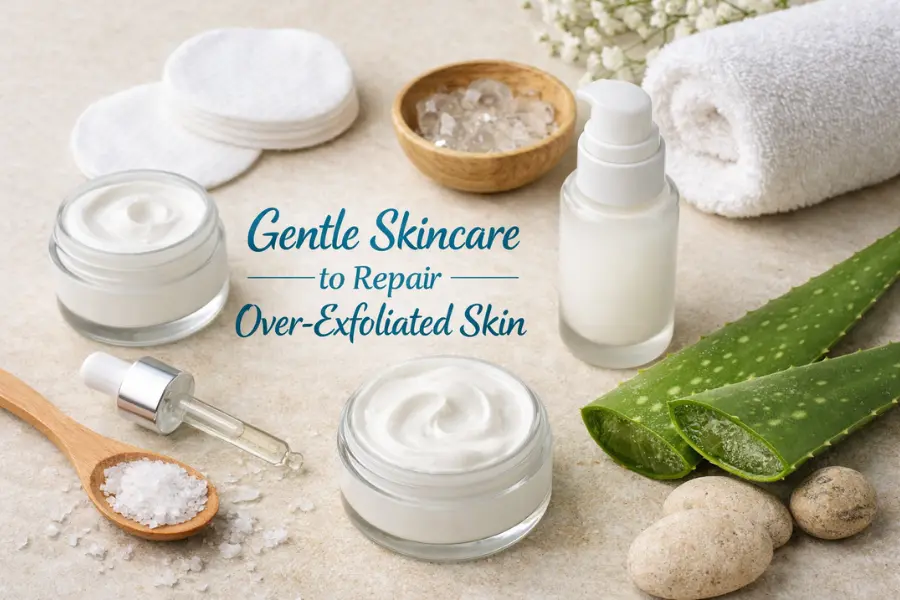
Below are the most effective ingredients for healing over-exfoliated skin.
Ceramides – Restoring the Skin Barrier
Ceramides are naturally occurring lipids that are essential for a healthy skin barrier. They form a protective layer that holds skin cells together, preventing moisture loss and protecting the skin from environmental irritants.
When your skin has been over-exfoliated, the ceramide levels drop, weakening the barrier and making the skin more prone to dryness, redness, and sensitivity. Using moisturisers or serums containing ceramides can help restore the barrier, retain hydration, and strengthen the skin’s natural defence system.
Products that combine ceramides, cholesterol, and fatty acids are especially effective at repairing damaged skin and maintaining long-term barrier health.
Hyaluronic Acid – Deep Hydration
Hyaluronic acid (HA) is a powerhouse ingredient for hydration. It acts as a humectant, meaning it draws water into the skin and holds it in the outer layer, making the skin feel plump, soft, and smooth.
For over-exfoliated skin, which often suffers from dryness and tightness, HA can quickly restore hydration without irritation. Because it is lightweight and gentle, it is suitable for even highly sensitive or reactive skin.
In addition to moisturising, hyaluronic acid supports the skin’s healing process by maintaining an optimal hydration level, which is critical for barrier recovery.
Niacinamide – Reducing Redness and Inflammation
Niacinamide (Vitamin B3) is a versatile ingredient known for its anti-inflammatory and soothing properties. It helps reduce redness, irritation, and blotchiness that often appear after over-exfoliation.
In addition to calming the skin, niacinamide strengthens the skin barrier by stimulating the production of ceramides and other lipids. This dual action makes it particularly effective for sensitive, damaged, or inflamed skin.
Using products with niacinamide can also help balance oil production, reduce reactivity, and improve the overall texture of the skin during recovery.
Panthenol (Vitamin B5) – Calming Irritated Skin
Panthenol, also known as Vitamin B5, is well recognised for its ability to soothe and moisturise damaged skin. It penetrates the skin easily and helps calm inflammation, relieve tightness, and support skin repair.
When incorporated into serums, creams, or masks, panthenol accelerates the healing of over-exfoliated skin and reduces discomfort caused by irritation or redness.
Additionally, panthenol strengthens the skin’s moisture barrier, making it a key ingredient in any recovery-focused skincare routine.
Aloe Vera – Natural Soothing Ingredient
Aloe vera is a gentle, plant-based ingredient famous for its soothing and calming effects on the skin. It contains polysaccharides and antioxidants that help reduce inflammation, redness, and irritation, making it ideal for over-exfoliated skin.
Aloe vera also provides light hydration and supports the skin’s natural healing process. Unlike some synthetic ingredients, it is extremely gentle, making it suitable for sensitive or compromised skin.
Incorporating aloe vera gels, creams, or masks into your routine can provide immediate relief from discomfort while supporting long-term skin recovery.
Using these ingredients together in a hydrating and barrier-focused routine is one of the fastest ways to repair over-exfoliated skin. Products that combine ceramides, hyaluronic acid, niacinamide, panthenol, and aloe vera can provide soothing hydration, reduce inflammation, and restore the skin barrier efficiently.
By focusing on these key ingredients, you are giving your skin the tools it needs to heal, strengthen, and regain balance after over-exfoliation.
Skincare Routine for Healing Over-Exfoliated Skin
Once your skin shows signs of over-exfoliation, a structured, gentle skincare routine is essential for recovery. Knowing how to repair over-exfoliated skin fast involves choosing the right products and simplifying your routine to focus on hydration, barrier repair, and protection. A careful balance of morning and night care will support healing, reduce irritation, and restore the skin’s natural barrier.
Morning Routine
A morning routine for over-exfoliated skin should be gentle, hydrating, and protective. Avoid using any active ingredients or exfoliating products during this stage.
Gentle Cleanser
Start with a mild, fragrance-free cleanser that removes impurities without stripping the skin’s natural oils. Avoid harsh foaming cleansers or scrubs, as these can worsen skin barrier damage and increase sensitivity. A gentle cleanser will maintain hydration and prepare your skin for the next steps.
Hydrating Serum
After cleansing, apply a hydrating serum containing hyaluronic acid, glycerin, or panthenol. These ingredients help attract water to the skin, providing deep hydration and restoring comfort to dry, tight skin. Hydration is crucial for accelerating recovery from over-exfoliation.
Moisturizer
Next, apply a moisturiser rich in ceramides, fatty acids, and soothing ingredients. This step helps lock in hydration, rebuild the skin barrier, and reduce irritation. Moisturising regularly helps keep your skin soft, plump, and protected throughout the day.
Sunscreen
Finally, finish your morning routine with a broad-spectrum sunscreen designed for sensitive skin. A damaged skin barrier makes your skin more vulnerable to UV damage, which can worsen redness, inflammation, and long-term sensitivity. Use a gentle, fragrance-free sunscreen to protect your skin without adding irritation.
Night Routine
Nighttime is the perfect opportunity to support your skin’s natural repair process. The goal is to restore hydration, strengthen the barrier, and calm irritation.
Mild Cleanser
Begin with a mild cleanser to remove makeup, sunscreen, and impurities from the day. Choose a non-stripping, gentle formula to avoid disrupting the healing process. Cleansing too harshly can undo the benefits of your barrier-repair routine.
Barrier-Repair Serum
After cleansing, apply a serum formulated for barrier repair. Look for ingredients like ceramides, niacinamide, panthenol, or hyaluronic acid. These ingredients help restore the skin’s protective layer, reduce redness, and maintain hydration. Nighttime application allows your skin to absorb these ingredients fully while it naturally repairs itself.
Rich Moisturizer
Finish your night routine with a rich, nourishing moisturiser. Choose a product that provides long-lasting hydration and contains barrier-strengthening ingredients. This step ensures that your skin remains moisturised and protected throughout the night, giving it the best chance to recover from over-exfoliation.
By following this gentle morning and night routine, you provide your skin with the hydration, protection, and barrier support it needs. Consistency is key. Over time, this approach can significantly improve over-exfoliated skin, reduce sensitivity, and restore a healthy, balanced complexion.
Using this structured routine makes it much easier to repair over-exfoliated skin fast and prevents further irritation or damage.
What to Avoid While Your Skin Is Healing
Healing over-exfoliated skin requires more than just using the right products. It also means avoiding anything that could further irritate or damage your skin barrier. Understanding what to steer clear of is essential when learning how to repair over-exfoliated skin fast. Even gentle skin can be stressed by harsh routines, so taking a mindful approach during recovery is key.
Exfoliating Acids
One of the most important things to avoid is exfoliating acids, including AHAs, BHAs, and chemical peels. While these ingredients are excellent for promoting cell turnover, using them on damaged, over-exfoliated skin can worsen irritation and slow down recovery.
Exfoliating acids strip away the protective skin barrier, which is already compromised. Continuing to use them can lead to redness, burning, sensitivity, and excessive dryness, making it harder for your skin to repair itself. During recovery, it’s crucial to pause all products containing acids until the skin feels calm, hydrated, and resilient.
Retinol and Strong Actives
Retinol, retinoids, and other potent actives are also off-limits while your skin is healing. These ingredients stimulate cell turnover and can increase sensitivity, which may be beneficial under normal circumstances but can be too aggressive for compromised skin.
Applying retinol or similar strong actives on over-exfoliated skin can cause burning, redness, peeling, and even long-term barrier damage. Focus on gentle, soothing ingredients instead, and reintroduce retinol only after your skin has fully recovered.
Physical Scrubs
Avoid all physical scrubs while your skin is healing. Harsh scrubbing can create micro-tears in the skin, further damaging the barrier and prolonging recovery.
Even light scrubs can irritate sensitive, over-exfoliated skin. The key during healing is no mechanical exfoliation at all. Let your skin restore itself naturally before resuming any physical exfoliation.
Hot Water and Over-Cleansing
Hot water and frequent cleansing can strip your skin of natural oils, which are essential for barrier repair. Over-cleansing with foaming soaps or harsh cleansers removes lipids and moisture, leaving the skin dry, tight, and more susceptible to irritation.
Instead, use lukewarm water and a gentle, fragrance-free cleanser. Limiting cleansing to once in the morning and once at night is usually sufficient while the skin recovers.
Fragrance-Heavy Products
Fragrances, both synthetic and natural, can irritate sensitive or compromised skin. Perfumed moisturisers, toners, or serums may trigger stinging, redness, or allergic reactions in over-exfoliated skin.
Stick to fragrance-free, hypoallergenic products that focus on hydration and barrier repair. This reduces the risk of further irritation and creates an ideal environment for skin healing.
By avoiding exfoliating acids, retinol, physical scrubs, hot water, and fragrance-heavy products, you protect the skin barrier and create the best conditions for healing over-exfoliated skin. These preventive measures, combined with hydration and barrier-repair ingredients, are essential steps in learning how to repair over-exfoliated skin fast.
How Long Does Over-Exfoliated Skin Take to Heal?
One of the most common questions people ask when searching for how to repair over-exfoliated skin fast is how long the recovery process takes. The timeline for healing depends on the severity of the damage and how well you support your skin with hydration, barrier-repair ingredients, and gentle care. While every individual’s skin heals at a slightly different pace, there are general guidelines to help you set expectations.
Mild Damage – Recovery in a Few Days
If your skin shows minor signs of over-exfoliation, such as slight redness, tightness, or flakiness, the recovery process is usually quick. By immediately stopping exfoliating products, using a gentle cleanser, and applying hydrating moisturisers or barrier-repair serums, you can expect noticeable improvement within a few days.
During this time, focus on hydration and protection. Avoid any harsh actives, physical scrubs, or hot water, and let your skin calm down naturally. Most mild cases resolve quickly when the skin is given the right support.
Moderate Damage – Healing in 1–2 Weeks
Moderate over-exfoliation is characterised by persistent redness, sensitivity, tightness, or occasional burning. The skin barrier is partially compromised, which means it needs more time to rebuild and recover.
With a consistent routine that focuses on hydration, barrier-repair ingredients (ceramides, niacinamide, hyaluronic acid), and gentle moisturisers, most moderate cases heal within one to two weeks. Patience is essential here. Resuming exfoliation too early or introducing strong actives can prolong recovery and worsen irritation.
Severe Barrier Damage – May Take Several Weeks
Severe over-exfoliation occurs when the protective barrier is significantly damaged, causing intense redness, burning, extreme dryness, or sensitivity. In these cases, the skin may feel thin, tight, or raw, and recovery can take several weeks.
For severe damage, it’s crucial to avoid all exfoliating products, retinol, and harsh cleansers until the skin has fully healed. Use a minimal skincare routine focusing on hydration, soothing ingredients, and barrier-repair formulations. Protect your skin from UV exposure by applying gentle sunscreen daily, even if you are mostly indoors.
Patience is key for severe cases, as the skin requires time to fully restore its barrier function. Over time, consistent care will allow your skin to regain its strength, resilience, and natural glow.
Following the right steps, combined with barrier-repair ingredients and gentle care, ensures the fastest possible recovery for over-exfoliated skin. By understanding your damage level, you can manage expectations and provide the support your skin needs to heal efficiently.
How to Exfoliate Safely in the Future
Once you’ve successfully repaired your over-exfoliated skin, it’s important to adopt a safe exfoliation routine to prevent further damage to your skin barrier. Learning how to exfoliate safely ensures that your skin can enjoy the benefits of cell turnover, smoother texture, and a brighter complexion without risking irritation or over-exfoliation.
Choose the Right Exfoliant
Not all exfoliants are created equal. Choosing the right product for your skin type and sensitivity is crucial.
- Chemical exfoliants like AHAs (glycolic, lactic acid) or BHAs (salicylic acid) are often gentler than harsh scrubs and can provide even exfoliation without causing micro-tears.
- Physical exfoliants with fine, smooth particles can be used occasionally, but avoid aggressive scrubs that can damage the skin barrier.
- Consider starting with low concentrations of acids or gentle enzyme-based products to see how your skin reacts.
Choosing the right exfoliant helps prevent over-exfoliation and supports long-term skin health.
Limit Exfoliation to 1–2 Times Weekly
Frequency is key to safe exfoliation. Even gentle exfoliants can damage the skin if used too often.
For most skin types, exfoliating once or twice a week is sufficient to remove dead skin cells and promote healthy cell turnover. This schedule gives your skin barrier time to recover between sessions, maintaining hydration, elasticity, and comfort.
Over-exfoliating, even with mild products, can quickly lead to redness, sensitivity, and dryness, undoing the progress you’ve made in repairing your skin.
Always Hydrate After Exfoliating
Hydration is essential both during recovery and after safe exfoliation. Applying a hydrating serum or moisturiser immediately after exfoliating helps restore moisture levels and strengthen the skin barrier.
Look for ingredients such as hyaluronic acid, glycerin, ceramides, or panthenol, which attract and lock in moisture while calming the skin. Hydrating after exfoliation helps keep your skin plump, soft, and resilient.
Listen to Your Skin
Finally, the most important rule is to listen to your skin. Everyone’s skin reacts differently, and even the gentlest exfoliant can irritate if used improperly.
Pay attention to signs like redness, tightness, flakiness, or stinging. If these symptoms appear, give your skin extra time to recover and pause exfoliation until it feels comfortable again. Gradually reintroducing exfoliation allows you to enjoy healthy, radiant skin without risking another episode of over-exfoliation.
By choosing the right exfoliant, limiting use to 1–2 times per week, hydrating afterwards, and listening to your skin, you can safely enjoy the benefits of exfoliation while maintaining a strong, healthy skin barrier. Following these steps ensures your skin stays smooth, glowing, and resilient for years to come.
FAQs
Many people wonder about how to repair over-exfoliated skin fast and what steps are truly necessary for recovery. Here are answers to the most common questions about over-exfoliation, healing, and getting your skin back to a healthy, balanced condition.
Yes, the skin has a natural ability to heal and regenerate, but the speed of recovery depends on the severity of the damage. Mild over-exfoliation may improve within a few days, while moderate to severe damage can take weeks. Supporting your skin with hydrating products, barrier-repair ingredients, and gentle care accelerates healing. Ignoring symptoms and continuing harsh routines can prolong recovery.
You don’t need to stop every product, but it’s important to pause exfoliating acids, retinol, and harsh actives. Stick to a minimal routine with gentle cleansers, moisturisers, barrier-repair serums, and sunscreen. This approach gives your skin a chance to recover without irritation, while still providing essential hydration and protection.
Moisturiser is important, but it’s often not enough on its own to fully repair over-exfoliated skin. The best results come from combining hydration, barrier-repair ingredients, and protective measures. Ingredients like ceramides, hyaluronic acid, niacinamide, and panthenol help restore the skin barrier, while a moisturiser locks in hydration and reduces dryness.
Yes, over-exfoliation can sometimes trigger breakouts. When the skin barrier is damaged, it becomes more sensitive and reactive, leading to inflammation and clogged pores. Acne may appear even in skin types that are normally clear. Focusing on hydration, soothing ingredients, and barrier repair can reduce breakouts and restore balance.
You should only reintroduce exfoliation once your skin feels calm, hydrated, and resilient. For mild over-exfoliation, this may take a few days, while moderate to severe cases may require one to two weeks or longer. Start slowly with gentle exfoliants, limit use to once or twice a week, and always follow up with hydration and barrier-repair products to prevent repeating over-exfoliation.
By following these guidelines and listening to your skin, you can repair over-exfoliated skin fast and safely resume exfoliation without compromising the skin barrier. Understanding these FAQs helps you avoid future mistakes and maintain a healthy, radiant complexion.
Final Thoughts
Over-exfoliated skin can feel alarming, but the good news is that with proper care, your skin can recover fully. The key steps include pausing all exfoliating products, simplifying your skincare routine, focusing on hydration, and using barrier-repair ingredients like ceramides, hyaluronic acid, niacinamide, and panthenol. Protecting your skin from harsh cleansers, hot water, and sun damage while it heals ensures faster recovery and prevents further irritation.
Remember, patience is essential. Mild cases can improve in a few days, while more severe damage may take a couple of weeks. By adopting gentle skincare habits and listening to your skin, you can restore moisture, comfort, and resilience to your skin barrier.
If you ever find yourself wondering how to repair over-exfoliated skin fast, focus on hydration, barrier support, and protection, and avoid rushing back into strong exfoliation. With consistent care, your skin will regain its strength, smoothness, and natural glow, helping you maintain a healthy, balanced complexion for the long term.






ALkDggKArAgfKqCgRzmtADCD