Why Does My Skin Look Dull After Skincare?
Published: 8 Jul 2026
Many people expect their skincare routine to leave their skin looking fresh, healthy, and glowing. So it can be frustrating to wonder, Why Does My Skin Look Dull After Skincare instead. Instead of a bright complexion, your skin may appear tired, flat, or lifeless even after using your favourite products. This doesn’t always mean your skincare routine is failing. In many cases, your skin is reacting to something that can be fixed.
Dull skin after skincare is often caused by dehydration, product buildup, over-exfoliation, or using products that are not right for your skin type. Other factors, such as a weakened skin barrier, lack of sleep, or everyday environmental damage, can also reduce your skin’s natural glow. The good news is that most of these problems are easy to identify and improve with a few simple changes.

In this guide, you’ll learn the most common reasons your skin may look dull after skincare, how to identify the cause, and the best ways to restore a healthy, radiant complexion. We’ll also share practical tips, helpful ingredients, and an easy skincare routine to help your skin look brighter and healthier every day.
What Does Dull Skin Look Like?
Dull skin is skin that has lost its natural brightness and healthy glow. Instead of looking smooth and fresh, it may appear tired, rough, or uneven. If you’re wondering why does my skin look dull after skincare, the first step is knowing what dull skin actually looks like. Many people mistake dull skin for dry skin, but the two are not always the same.
Dullness can happen to any skin type, including oily, combination, dry, and sensitive skin. It is usually a sign that your skin needs better hydration, gentle care, or a change in your skincare routine.
Common Signs of Dull Skin
You may have dull skin if you notice one or more of these signs:
- Your skin looks flat instead of naturally radiant.
- Your complexion appears tired, even after a full night’s sleep.
- Your face feels rough or uneven when you touch it.
- Makeup does not apply smoothly or looks patchy.
- Your skin tone looks uneven or slightly grey.
- Fine lines appear more noticeable because your skin lacks moisture.
- Your face looks healthy but still lacks a natural glow.
These signs can develop slowly, so you may not notice them until your skin looks noticeably less vibrant.
How Dull Skin Feels
Dull skin does not only affect how your face looks. It can also change how it feels. Your skin may feel:
- Tight after cleansing
- Slightly rough or flaky
- Less smooth than usual
- Dry in some areas but oily in others
- Less soft, even after applying moisturiser
These changes often happen when your skin is dehydrated or when dead skin cells build up on the surface.
13 Reasons Why Your Skin Looks Dull – Dermatologist Tips
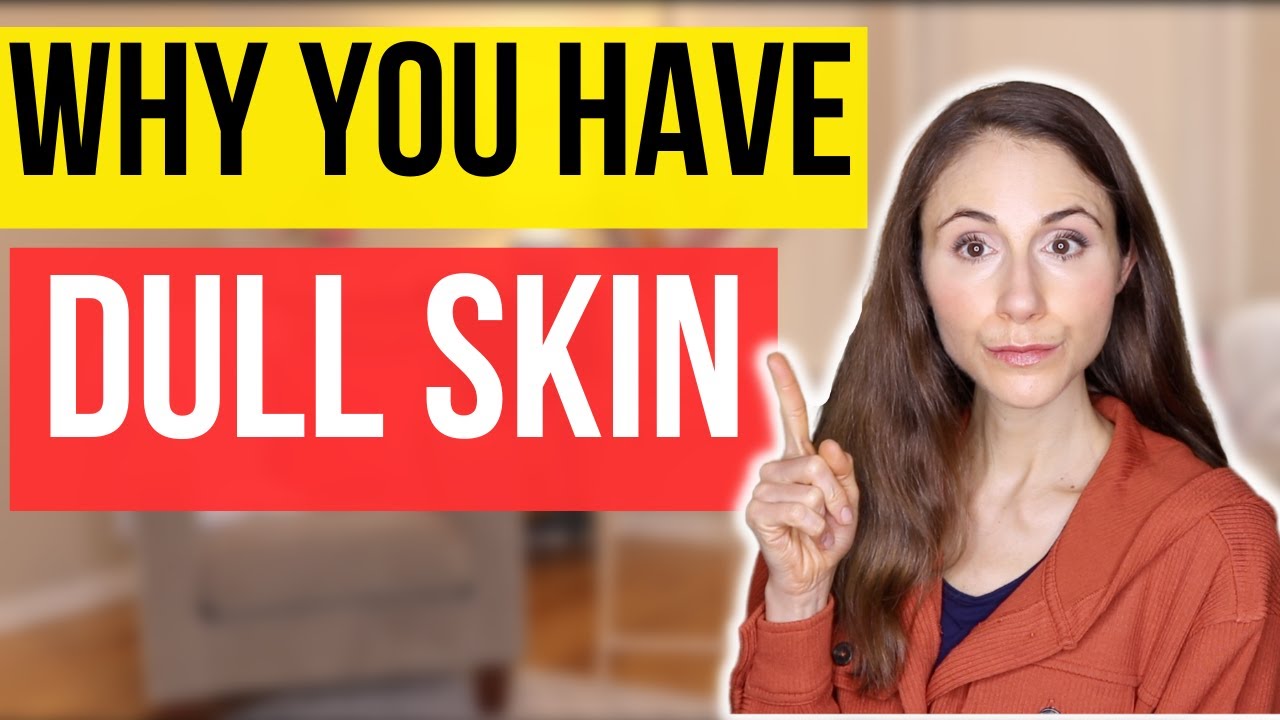
Why Dull Skin Happens
Healthy skin naturally reflects light, giving it a fresh and glowing appearance. When dead skin cells collect on the surface, your skin becomes dehydrated, or your skin barrier is weakened, and light cannot reflect evenly. As a result, your face looks dull instead of bright.
Other common causes include:
Dead Skin Cell Buildup
Your skin naturally sheds old cells, but this process slows down over time. When dead skin cells remain on the surface, they make your complexion look rough and lifeless.
Dehydration
Even oily skin can become dehydrated. Without enough water, skin loses its plump appearance and looks tired rather than radiant.
Product Buildup
Using too many skincare products or applying heavy creams without proper cleansing can leave a layer of residue on your skin, reducing its natural glow.
Over-Exfoliation
Exfoliating too often can damage your skin barrier. Instead of brightening your skin, it may leave it looking red, irritated, and dull.
Dull Skin vs Healthy Glowing Skin
Healthy skin does not have to look shiny. Instead, it appears smooth, hydrated, and even-toned. It reflects light naturally because the skin surface is healthy and well cared for.
Dull skin, on the other hand, often looks:
- Uneven in colour
- Rough or textured
- Dry or dehydrated
- Tired and lacking brightness
- Less smooth than normal
Understanding these differences can help you identify whether your skincare routine is supporting your skin or contributing to the problem. Once you know the signs of dull skin, it becomes much easier to choose the right products and habits to restore your natural glow.
Why Does My Skin Look Dull After Skincare?
If you keep asking yourself, “Why does my skin look dull after skincare?”, you’re not alone. A skincare routine should help your skin look healthy and radiant, but sometimes it can have the opposite effect. In most cases, dull skin is not caused by a single product. Instead, it is usually the result of everyday habits, the use of the wrong products, or an unhealthy skin barrier.
Below are the most common reasons your skin may lose its natural glow after using skincare products.
Dead Skin Cell Buildup
Your skin naturally sheds old skin cells and replaces them with new ones. However, this process slows down with age, stress, and environmental factors. When dead skin cells stay on the surface, they create a rough texture and prevent light from reflecting evenly.
Signs of Dead Skin Cell Buildup
- Rough or uneven skin texture
- Skin looks grey or tired
- Makeup appears patchy
- Skincare products absorb poorly
Gentle exfoliation once or twice a week can help remove dead skin cells without irritating your skin.
Dehydrated Skin
Many people think only dry skin can look dull, but even oily skin can become dehydrated. Dehydrated skin lacks water, making it appear flat, tight, and lifeless.
Signs of Dehydrated Skin
- Tight feeling after cleansing
- Fine lines look more noticeable
- Skin feels dry but also oily
- Skin loses its natural glow
Using hydrating ingredients such as hyaluronic acid, glycerin, and ceramides can help restore moisture and improve your skin’s appearance.
Over-Exfoliation
Exfoliation removes dead skin cells, but doing it too often can weaken your skin barrier. Instead of brightening your skin, over-exfoliation can leave it red, sensitive, and dull.
Common Signs of Over-Exfoliation
- Burning or stinging after applying products
- Redness and irritation
- Dry, flaky patches
- Increased skin sensitivity
- Loss of natural radiance
Limit exfoliation to once or twice a week unless advised otherwise by a dermatologist.
Using Too Many Skincare Products
Using several serums, creams, and treatments in a single routine may overwhelm your skin. Some ingredients do not work well together, while too many layers can leave residue on the skin’s surface.
How Too Many Products Affect Your Skin
- Product buildup reduces natural glow
- Skin feels heavy or greasy
- Increased risk of irritation
- Active ingredients become less effective
A simple skincare routine often works better than a complicated one.
Heavy Moisturisers
A rich moisturiser can be helpful for very dry skin, but if it is too heavy for your skin type, it may sit on the surface rather than absorb properly.
Signs Your Moisturiser Is Too Heavy
- Skin looks greasy but not radiant
- Pores appear larger
- Makeup slides off easily
- Face feels coated throughout the day
Choose a moisturiser that matches your skin type for the best results.
Using the Wrong Cleanser
Cleansing is the first step in every skincare routine. A cleanser that is too harsh can strip away natural oils, while one that is too gentle may leave dirt, oil, and makeup behind.
How the Wrong Cleanser Causes Dull Skin
- Leaves residue on the skin
- Causes dryness and tightness
- Weakens the skin barrier
- Prevents other skincare products from working effectively
Look for a gentle cleanser that cleans your skin without leaving it feeling dry or irritated.
Lack of Sleep
Your skin repairs itself while you sleep. Not getting enough rest can slow down this natural repair process, making your complexion look tired and dull.
How Sleep Affects Your Skin
- Slower skin renewal
- Reduced collagen production
- Dark circles become more visible
- Skin loses its healthy glow
Aim for seven to nine hours of quality sleep each night to support healthy skin.
Poor Diet
Your skin reflects your overall health. A diet high in processed foods and low in vitamins can affect your complexion over time.
Foods That Support Healthy Skin
- Fresh fruits
- Colourful vegetables
- Nuts and seeds
- Fatty fish
- Whole grains
- Plenty of water
Eating a balanced diet provides the nutrients your skin needs to stay healthy and radiant.
Sun Damage
Too much sun exposure is one of the biggest causes of dull skin. Ultraviolet (UV) rays can damage skin cells, reduce collagen, and create uneven skin tone.
Signs of Sun Damage
- Dark spots
- Uneven skin tone
- Rough texture
- Premature fine lines
- Loss of natural brightness
Protecting your skin from the sun helps maintain a smoother and more even complexion.
Not Using Sunscreen
Even the best skincare routine cannot fully protect your skin if you skip sunscreen. Daily UV exposure can undo the benefits of your serums and moisturisers.
Why Sunscreen Is Essential
- Protects against UV damage
- Helps prevent pigmentation
- Supports an even skin tone
- Preserves your skin’s natural glow
- Reduces premature ageing
Wear a broad-spectrum sunscreen with SPF 30 or higher every morning, even on cloudy days.
Skin Barrier Damage
Your skin barrier is the outer protective layer that keeps moisture in and harmful irritants out. When it becomes damaged, your skin struggles to stay hydrated and healthy.
Common Causes of Skin Barrier Damage
- Over-exfoliating
- Using harsh skincare products
- Washing your face too often
- Environmental pollution
- Excessive sun exposure
Signs of a Damaged Skin Barrier
- Persistent dryness
- Redness
- Irritation
- Increased sensitivity
- Dull, rough-looking skin
Using barrier-supporting ingredients such as ceramides, glycerin, squalane, and panthenol can help repair your skin and restore its natural glow.
If you’re wondering why does my skin look dull after skincare, the answer is often a combination of factors rather than a single mistake. Dead skin cell buildup, dehydration, over-exfoliation, heavy products, harsh cleansers, poor lifestyle habits, sun exposure, and a damaged skin barrier can all contribute to dull-looking skin. Identifying the root cause is the first step towards creating a skincare routine that leaves your complexion looking brighter, healthier, and naturally radiant.
Is Dull Skin the Same as Dry Skin?
No, dull skin and dry skin are not the same, although they often happen together. Many people confuse these two skin concerns because both can make the skin look unhealthy. However, they have different causes, symptoms, and treatments. Understanding the difference can help you choose the right skincare products and avoid worsening the problem.

If you’re asking, “Why does my skin look dull after skincare?”, it is important to know whether your skin is dull, dry, dehydrated, or a combination of these conditions.
What Is Dull Skin?
Dull skin refers to skin that has lost its natural brightness and healthy glow. It may look tired, uneven, or rough even if it does not feel dry.
Common Signs of Dull Skin
- Skin looks flat or lifeless.
- Complexion appears grey or uneven.
- Skin lacks a healthy glow.
- Makeup does not look smooth.
- Skin texture feels rough.
Dull skin is often caused by:
- Dead skin cell buildup
- Dehydration
- Sun damage
- Lack of sleep
- Poor diet
- Product buildup
- Skin barrier damage
What Is Dry Skin?
Dry skin is a skin type or condition that occurs when the skin does not produce enough natural oil (sebum). Without enough oil, the skin cannot lock in moisture properly.
Common Signs of Dry Skin
- Tightness after washing your face
- Flaking or peeling
- Rough patches
- Itching
- Redness
- Cracked skin in severe cases
Dry skin usually needs richer moisturisers and ingredients that help restore the skin’s protective barrier.
What Is Dehydrated Skin?
Dehydrated skin is different from dry skin. It lacks water, not oil. Even people with oily or combination skin can have dehydrated skin.
Signs of Dehydrated Skin
- Tight feeling despite oily skin
- Fine lines appear more noticeable
- Skin feels uncomfortable
- Complexion looks dull and tired
- Products absorb quickly, but skin still feels thirsty
Hydrating ingredients like hyaluronic acid, glycerin, and panthenol can help replenish water in the skin.
Key Differences Between Dull Skin and Dry Skin
| Dull Skin | Dry Skin |
| Lacks brightness and glow | Lacks natural oil |
| May affect any skin type | More common in naturally dry skin |
| Often caused by dead skin cells or dehydration | Caused by low oil production |
| Skin may feel normal or slightly rough | Skin often feels tight, flaky, or itchy |
| Focus on improving radiance and hydration | Focus on restoring moisture and protecting the skin barrier |
Can You Have Both Dull and Dry Skin?
Yes. Many people have both dull and dry skin at the same time. When your skin lacks oil and moisture, it can become rough and flaky, losing its natural glow. This combination is especially common during cold weather, after using harsh skincare products, or when you do not moisturise regularly.
If you have both concerns, your skincare routine should focus on:
- Using a gentle cleanser
- Applying a hydrating serum
- Moisturising with barrier-repairing ingredients
- Exfoliating gently once or twice a week
- Wearing sunscreen every day
How to Tell Which Problem You Have
Ask yourself these questions:
Does your skin feel tight, flaky, or itchy?
If yes, your skin is likely dry.
Does your skin look tired, rough, or lack radiance, even though it doesn’t feel very dry?
If yes, your skin is probably dull.
Does your skin feel oily but still tight and uncomfortable?
This is often a sign of dehydrated skin.
Dull skin and dry skin are not the same, but they can occur together. Dull skin is mainly about a lack of brightness, while dry skin is caused by a lack of natural oil. Identifying the difference makes it easier to choose the right skincare products and build a routine that restores both your skin’s health and its natural glow. If you’re wondering why does my skin look dull after skincare, understanding whether your skin is dull, dry, or dehydrated is an important first step towards finding the right solution.
Signs Your Skincare Routine Is Causing Dullness
If your skin looked healthier before you changed your routine, your skincare products or habits could be the reason behind the problem. While the right skincare routine should leave your skin looking fresh and radiant, the wrong combination of products can make it appear dull, tired, or irritated.
If you’ve been asking, “Why does my skin look dull after skincare?”, look for the following signs. They may indicate that your routine needs a few simple adjustments.
Your Skin Looks Worse Instead of Better
Most skincare products take time to show results, but your skin should not continue looking dull or unhealthy for weeks without improvement.
Warning Signs
- Your complexion looks flatter than before.
- Your skin has lost its natural glow.
- Your face appears tired every day.
- Your skin texture feels rough.
If your skin continues to worsen, one or more products may not be suitable for your skin type.
Your Skin Feels Tight After Cleansing
A clean face should feel fresh and comfortable, not tight or dry.
What It Could Mean
- Your cleanser is too harsh.
- Your skin barrier is becoming damaged.
- Your skin is losing too much natural moisture.
Switching to a gentle, hydrating cleanser can help restore balance.
Your Face Feels Greasy but Still Looks Dull
Many people think oily skin always looks healthy, but excess oil does not equal healthy skin. If your face feels greasy while still looking lifeless, your routine may be causing product buildup or dehydration.
Possible Causes
- Using too many skincare products
- Heavy moisturisers that sit on the skin
- Skipping proper cleansing
- Dehydrated skin producing excess oil
A lighter routine may help your skin look fresher.
Your Skin Becomes Red or Irritated
Healthy skincare should improve your skin, not leave it feeling uncomfortable.
Signs of Irritation
- Redness
- Burning
- Stinging
- Itching
- Increased sensitivity
These symptoms often appear after overusing exfoliants, retinol, or strong active ingredients.
Your Skin Starts Flaking
Flaky skin is often a sign that your skin barrier is struggling.
Why It Happens
- Over-exfoliation
- Harsh cleansers
- Drying acne treatments
- Lack of hydration
Reducing active ingredients and using barrier-repairing products can help your skin recover.
Your Makeup No Longer Looks Smooth
Your skincare routine should create a smooth base for makeup. If foundation suddenly looks patchy or uneven, your skin may not be properly hydrated.
Signs to Watch For
- Foundation clings to dry patches.
- Makeup separates quickly.
- Skin looks textured under makeup.
- Your complexion appears uneven.
This is often a sign that your skin needs more hydration rather than more products.
You Keep Adding New Products Without Seeing Results
It is tempting to buy more products when your skin looks dull, but using too many products can make the problem worse.
Common Mistakes
- Layering several active ingredients
- Trying new products every few days
- Using multiple exfoliants together
- Mixing ingredients that irritate the skin
Give new products enough time to work before introducing another one.
Your Skin Feels Sensitive to Products You Used Before
If products that once felt gentle now sting or burn, your skin barrier may be damaged.
Common Signs
- Moisturiser causes stinging.
- Sunscreen feels uncomfortable.
- Cleansers leave your skin irritated.
- Serums burn after application.
When this happens, simplify your routine and focus on repairing your skin barrier.
Your Skin Never Looks Fresh, Even After Your Routine
One of the biggest signs that your skincare routine is causing dullness is that your face still looks tired immediately after you finish it.
Instead of looking hydrated and healthy, your skin may appear:
- Flat
- Rough
- Uneven
- Lifeless
- Less radiant than before
This usually means your routine is not meeting your skin’s needs or contains products that are working against each other.
How to Know if Your Routine Needs Changing
Ask yourself these simple questions:
Are you using products designed for your skin type?
Using products made for oily skin on dry skin—or vice versa—can affect your results.
Are you over-exfoliating?
Exfoliating more than once or twice a week can damage your skin barrier and reduce your natural glow.
Are you wearing sunscreen every day?
Without sunscreen, UV damage can quickly undo the benefits of your skincare routine.
Are you keeping your routine simple?
A basic routine with a gentle cleanser, moisturiser, sunscreen, and a few targeted treatments is often more effective than using many products at once.
Your skincare routine should leave your skin feeling comfortable, hydrated, and naturally radiant. If your complexion looks dull, rough, greasy, irritated, or tired after using your products, your routine may be contributing to the problem. Identifying these warning signs early can help you make small changes that restore your skin’s health and bring back its natural glow.
How to Fix Dull Skin After Skincare
If you’re wondering why does my skin look dull after skincare, the good news is that most cases of dull skin can be improved with the right routine. Instead of adding more products, focus on using gentle, effective ingredients that support your skin barrier and restore its natural glow.
Here are the best ways to fix dull skin and achieve a healthier-looking complexion.
Cleanse Your Skin Gently
Cleansing removes dirt, excess oil, sunscreen, and makeup that can build up on your skin throughout the day. However, using a harsh cleanser can strip your skin’s natural oils, leaving it looking dull.
Tips for Gentle Cleansing
- Choose a mild, fragrance-free cleanser.
- Wash your face twice a day.
- Use lukewarm water instead of hot water.
- Avoid scrubbing your skin aggressively.
- Pat your face dry with a soft towel.
A gentle cleanser keeps your skin clean while protecting its natural moisture barrier.
Keep Your Skin Hydrated
Hydrated skin looks smoother, plumper, and more radiant. Even oily skin needs water to stay healthy.
Ways to Improve Hydration
- Drink enough water throughout the day.
- Apply hydrating skincare on slightly damp skin.
- Use products containing glycerin or ceramides.
- Avoid spending too much time in very hot showers.
- Use a humidifier if the air in your home is dry.
Proper hydration helps your skin reflect light better, giving it a healthy glow.
Add a Vitamin C Serum
Vitamin C is one of the best ingredients for brightening dull skin. It is a powerful antioxidant that helps protect your skin from environmental damage while improving your complexion.
Benefits of Vitamin C
- Brightens dull-looking skin
- Helps fade dark spots
- Promotes a more even skin tone
- Supports collagen production
- Protects against free radical damage
For best results, apply a Vitamin C serum in the morning before your moisturiser and sunscreen.
Use Niacinamide
Niacinamide, also known as Vitamin B3, is a gentle ingredient suitable for most skin types. It helps improve skin tone while strengthening the skin barrier.
Benefits of Niacinamide
- Reduces uneven skin tone
- Improves skin texture
- Controls excess oil
- Minimises the appearance of pores
- Strengthens the skin barrier
- Supports a healthier complexion
A serum containing 2% to 5% niacinamide is usually enough for daily use.
Hydrate with Hyaluronic Acid
Hyaluronic acid attracts and holds water in the skin, making it look smoother and more refreshed.
Why Hyaluronic Acid Helps
- Increases skin hydration
- Makes skin appear plumper
- Softens fine lines caused by dehydration
- Improves skin elasticity
- Restores a healthy-looking glow
Always apply hyaluronic acid to slightly damp skin, then follow with a moisturiser to lock in hydration.
Use the Right Moisturiser
A good moisturiser helps prevent water loss and keeps your skin barrier healthy. Choosing the right formula for your skin type is essential.
Choose a Moisturiser Based on Your Skin Type
For Dry Skin
- Rich cream with ceramides and shea butter
For Oily Skin
- Lightweight gel or lotion
For Combination Skin
- Lightweight moisturiser that hydrates without feeling greasy
For Sensitive Skin
- Fragrance-free moisturiser with soothing ingredients
Using the right moisturiser every morning and evening helps keep your skin soft, smooth, and radiant.
Never Skip Sunscreen
Sun exposure is one of the leading causes of dull skin, uneven skin tone, and premature ageing. Even if you stay most of the day indoors, your skin is still exposed to ultraviolet (UV) rays through windows.
Why Sunscreen Is Essential
- Prevents sun damage
- Reduces pigmentation
- Protects collagen
- Helps maintain an even skin tone
- Prevents your skin from becoming dull again
Choose a broad-spectrum sunscreen with SPF 30 or higher and apply it every morning. Reapply every two hours if you spend time outdoors.
Exfoliate Once or Twice a Week
Exfoliation removes dead skin cells that can make your complexion look rough and lifeless. However, too much exfoliation can damage your skin barrier, so moderation is important.
Best Exfoliation Tips
- Exfoliate only once or twice a week.
- Use a gentle chemical exfoliant if your skin is sensitive.
- Avoid using multiple exfoliating products on the same day.
- Always moisturise after exfoliating.
- Wear sunscreen the following morning.
Gentle exfoliation helps reveal smoother, brighter skin without causing irritation.
Build a Simple Skincare Routine
Using more products does not always produce better results. In fact, a simple routine is often the most effective way to restore your skin’s natural glow.
Morning Routine
- Gentle cleanser
- Vitamin C serum
- Moisturiser
- Broad-spectrum sunscreen
Evening Routine
- Gentle cleanser
- Hyaluronic acid or niacinamide serum
- Moisturiser
Consistently following this routine can improve your skin’s appearance over time.
Be Patient and Stay Consistent
Healthy skin does not change overnight. Most skincare products need several weeks of regular use before noticeable improvements appear.
What to Remember
- Avoid changing products too often.
- Introduce one new product at a time.
- Give active ingredients time to work.
- Focus on protecting your skin barrier.
- Follow your routine every day.
Consistency is one of the most important steps in achieving brighter, healthier skin.
If you’re asking why does my skin look dull after skincare, the solution is often to simplify your routine and focus on healthy skin habits. Gentle cleansing, proper hydration, brightening ingredients like Vitamin C and niacinamide, hydrating with hyaluronic acid, using the right moisturiser, wearing sunscreen every day, and exfoliating once or twice a week can gradually restore your skin’s natural glow. With patience and the right skincare routine, your complexion can become smoother, brighter, and more radiant.
Best Ingredients for Glowing Skin
Choosing the right skincare ingredients can make a big difference if your complexion looks tired or lacks radiance. If you’ve been wondering why does my skin look dull after skincare, the products you use may be missing ingredients that brighten, hydrate, and strengthen your skin.
The ingredients below are backed by research and widely recommended by dermatologists to improve dull-looking skin and restore a healthy glow.
Vitamin C
Vitamin C is one of the most effective ingredients for brightening the skin. It is a powerful antioxidant that protects your skin from environmental damage and helps improve uneven skin tone.
Benefits of Vitamin C
- Brightens dull skin
- Helps fade dark spots
- Evens out skin tone
- Supports collagen production
- Protects against free radicals
Best For
- Dull skin
- Sun damage
- Uneven skin tone
- Post-acne marks
Apply a Vitamin C serum in the morning after cleansing and before your moisturiser and sunscreen.
Niacinamide
Niacinamide, also known as Vitamin B3, is a gentle ingredient that suits almost every skin type. It improves the skin’s overall appearance while strengthening the skin barrier.
Benefits of Niacinamide
- Improves skin texture
- Reduces redness
- Brightens the complexion
- Minimises the appearance of pores
- Balances excess oil
- Supports the skin barrier
Best For
- Oily skin
- Combination skin
- Sensitive skin
- Uneven skin tone
Niacinamide works well in both morning and evening skincare routines.
Hyaluronic Acid
Hyaluronic acid is a hydrating ingredient that helps the skin attract and retain water. Well-hydrated skin naturally looks smoother and more radiant.
Benefits of Hyaluronic Acid
- Deeply hydrates the skin
- Makes skin appear plumper
- Softens dehydration lines
- Improves skin elasticity
- Restores a healthy glow
Best For
- Dehydrated skin
- Dry skin
- Dull skin
- Mature skin
Always apply it to slightly damp skin and seal it with a moisturiser.
Ceramides
Ceramides are natural lipids found in the outer layer of your skin. They help repair and protect the skin barrier, reducing moisture loss.
Benefits of Ceramides
- Strengthen the skin barrier
- Prevent dehydration
- Reduce dryness
- Improve skin softness
- Support healthier-looking skin
Best For
- Dry skin
- Sensitive skin
- Damaged skin barrier
- Skin recovering from over-exfoliation
A ceramide-rich moisturiser is an excellent choice if your skin feels dry or irritated.
Glycerin
Glycerin is a humectant that draws water into the skin, helping it stay hydrated throughout the day.
Benefits of Glycerin
- Boosts hydration
- Keeps skin soft and smooth
- Reduces tightness
- Supports the skin barrier
- Improves overall skin comfort
Best For
- All skin types
- Dehydrated skin
- Dry skin
Glycerin is commonly found in cleansers, serums, and moisturisers.
Alpha Hydroxy Acids (AHAs)
AHAs, such as glycolic acid and lactic acid, gently remove dead skin cells from the skin’s surface. This reveals fresher, brighter skin underneath.
Benefits of AHAs
- Improve skin brightness
- Smooth rough texture
- Reduce dullness
- Help fade dark spots
- Support healthy skin renewal
Best For
- Dull skin
- Uneven texture
- Mild pigmentation
Use AHAs only once or twice a week and always wear sunscreen during the day.
Retinol
Retinol is a form of Vitamin A that accelerates skin cell turnover and promotes healthier-looking skin over time.
Benefits of Retinol
- Improves skin texture
- Smooths fine lines
- Brightens dull skin
- Promotes skin renewal
- Helps fade uneven pigmentation
Best For
- Ageing skin
- Dull skin
- Uneven skin tone
Start with a low-strength retinol two or three nights a week and increase gradually as your skin adjusts.
Peptides
Peptides are short chains of amino acids that help support collagen and elastin, keeping the skin firm and healthy.
Benefits of Peptides
- Improve skin firmness
- Support collagen production
- Smooth the skin
- Enhance hydration
- Promote a healthy glow
Best For
- Mature skin
- Dry skin
- Dull skin
Peptides work well with hydrating and barrier-repairing ingredients.
Squalane
Squalane is a lightweight moisturising ingredient that helps prevent water loss without leaving the skin feeling greasy.
Benefits of Squalane
- Softens the skin
- Locks in moisture
- Strengthens the skin barrier
- Reduces dryness
- Leaves the skin looking healthy and radiant
Best For
- Dry skin
- Combination skin
- Sensitive skin
Squalane can be used both in the morning and in the evening.
Green Tea Extract
Green tea extract is rich in antioxidants that help protect the skin from environmental stress.
Benefits of Green Tea Extract
- Calms irritated skin
- Reduces redness
- Protects against free radicals
- Supports healthier-looking skin
- Helps maintain a fresh complexion
Best For
- Sensitive skin
- Oily skin
- Acne-prone skin
It is commonly found in soothing serums, toners, and moisturisers.
How to Choose the Right Ingredients
Not every ingredient is suitable for every skin type. Choose products based on your skin’s needs rather than following trends.
If You Have Dry or Dehydrated Skin
Choose ingredients such as:
- Hyaluronic acid
- Ceramides
- Glycerin
- Squalane
If You Have Dull Skin
Focus on:
- Vitamin C
- Niacinamide
- AHAs
- Retinol
If You Have Sensitive Skin
Look for:
- Ceramides
- Niacinamide
- Glycerin
- Green tea extract
The Bottom Line
The best ingredients for glowing skin work by hydrating, repairing, protecting, and renewing your skin. If you’ve been asking why does my skin look dull after skincare, adding proven ingredients like Vitamin C, niacinamide, hyaluronic acid, ceramides, glycerin, AHAs, retinol, peptides, and squalane can help restore your skin’s natural radiance. Introduce new products gradually, stay consistent with your routine, and always wear sunscreen to maintain a healthy, glowing complexion.
Ingredients That Can Make Skin Look Dull
Not every skincare ingredient is suitable for every skin type. While many active ingredients offer great benefits when used correctly, the wrong product or using too much of it can leave your skin looking dull, dry, or irritated. If you’ve been asking “Why does my skin look dull after skincare?”, some of the ingredients in your routine may be contributing to the problem.
This does not mean these ingredients are bad. In most cases, dullness happens because they are used too often, at a high strength, or without proper hydration and sun protection.
High-Strength Alcohols
Some skincare products contain high amounts of drying alcohols that evaporate quickly from the skin. Although they can make the skin feel clean at first, they may strip away natural oils and weaken the skin barrier over time.
Common Drying Alcohols
- Alcohol Denat.
- Ethanol
- Isopropyl Alcohol
How They Affect Your Skin
- Cause dryness
- Increase dehydration
- Leave skin feeling tight
- Reduce the skin’s natural glow
If you have dry or sensitive skin, choose alcohol-free or low-alcohol products whenever possible.
Strong Exfoliating Acids
Exfoliating acids such as glycolic acid, lactic acid, and salicylic acid can brighten the skin when used correctly. However, overusing them may damage your skin barrier and make your complexion look dull instead of radiant.
Signs You May Be Overusing Exfoliants
- Redness
- Flaking
- Burning or stinging
- Increased sensitivity
- Loss of natural glow
Limit chemical exfoliation to once or twice a week unless advised otherwise by a dermatologist.
Retinol Used Too Often
Retinol is an excellent ingredient for improving skin texture and reducing signs of ageing. However, using it too frequently or starting with a high concentration can irritate your skin.
Signs of Retinol Overuse
- Dryness
- Peeling
- Redness
- Tightness
- Dull-looking skin
Begin with a low-strength retinol two or three nights a week and increase use gradually as your skin adjusts.
Harsh Cleansing Ingredients
Some cleansers remove too much oil from the skin, leaving it dry and uncomfortable.
Ingredients to Watch
- Sodium Lauryl Sulphate (SLS)
- Strong foaming agents
- Harsh soaps
Possible Effects
- Tight skin after cleansing
- Dry patches
- Weakened skin barrier
- Reduced skin radiance
A gentle cleanser is usually a better choice for maintaining healthy-looking skin.
Fragrances and Essential Oils
Fragrance makes skincare products smell pleasant, but it can irritate sensitive skin.
Common Examples
- Artificial fragrance
- Citrus oils
- Peppermint oil
- Lavender oil
Why They Can Be a Problem
- Cause irritation
- Increase redness
- Trigger sensitivity
- Damage the skin barrier in some people
If you have sensitive skin, fragrance-free products are often the safest option.
High Concentrations of Benzoyl Peroxide
Benzoyl peroxide is commonly used to treat acne, but it can be very drying if overused.
Possible Side Effects
- Peeling
- Dryness
- Tightness
- Skin irritation
- Dull appearance
Follow the instructions carefully and use a moisturiser to reduce dryness.
Too Many Active Ingredients Together
Using several active ingredients in the same routine may overwhelm your skin rather than improve it.
Examples of Problematic Combinations
- Retinol with multiple exfoliating acids
- Vitamin C with several strong acids at the same time
- Using different exfoliating products in one routine
This can lead to irritation, dehydration, and a damaged skin barrier, making your skin appear dull.
Heavy Occlusive Products
Rich creams and thick balms can be beneficial for very dry skin. However, if they are too heavy for your skin type, they may trap excess oil and dead skin cells on the surface.
Signs a Product Is Too Heavy
- Skin feels greasy
- Face looks flat instead of glowing
- Pores appear more noticeable
- Makeup slides off easily
Choose a moisturiser that suits your skin type rather than the richest formula available.
Products with Harsh Scrubbing Particles
Physical scrubs containing large, coarse particles can cause tiny tears in the skin when used aggressively.
Possible Problems
- Redness
- Irritation
- Increased sensitivity
- Uneven skin texture
- Temporary dullness
If you prefer physical exfoliation, choose a scrub with smooth, gentle particles and use it sparingly.
Expired Skincare Products
Even high-quality skincare products lose their effectiveness over time.
Why Expired Products Can Affect Your Skin
- Active ingredients become less effective.
- Preservatives break down.
- Products may become contaminated with bacteria.
- Skin may become irritated or dull.
Always check the expiry date and the product’s recommended period after opening.
How to Avoid Ingredient-Related Dullness
You do not need to avoid these ingredients completely. Instead, use them wisely and pay attention to how your skin responds.
Best Practices
- Introduce one new product at a time.
- Avoid overusing active ingredients.
- Moisturise regularly.
- Wear sunscreen every day.
- Choose products suitable for your skin type.
- Stop using products that cause ongoing irritation.
Certain skincare ingredients can make your skin look dull when they are too strong, used too often, or combined incorrectly. Drying alcohols, harsh cleansers, strong exfoliating acids, retinol, benzoyl peroxide, heavy products, and excessive active ingredients can all contribute to dullness if they disrupt your skin barrier. If you’re wondering why does my skin look dull after skincare, reviewing the ingredients in your routine and simplifying your skincare can help restore a healthier, brighter complexion.
Morning Routine for Dull Skin
A consistent morning skincare routine can help restore your skin’s natural glow and protect it throughout the day. If you’ve been asking, “Why does my skin look dull after skincare?”, your morning routine may be missing essential steps or using products that are too harsh.
The goal is to gently cleanse, hydrate, brighten, and protect your skin without overloading it with too many products.
Step 1: Cleanse with a Gentle Face Wash
Start your morning by washing your face with a gentle cleanser to remove excess oil, sweat, and any skincare residue from the night before.
Choose a Cleanser That
- Is suitable for your skin type
- Cleans without leaving your skin tight
- Is fragrance-free if you have sensitive skin
- Helps maintain your skin’s natural moisture barrier
Avoid harsh cleansers that strip away natural oils, as they can make your skin look even duller.
Step 2: Apply a Hydrating Serum
After cleansing, apply a hydrating serum to replenish moisture and prepare your skin for the next steps.
Ingredients to Look For
- Hyaluronic acid
- Glycerin
- Panthenol
- Polyglutamic acid
These ingredients help your skin stay hydrated, making it look smoother, plumper, and more radiant.
Step 3: Use a Vitamin C Serum
Vitamin C is one of the best ingredients for brightening dull skin. It helps protect your skin from environmental damage while improving uneven skin tone.
Benefits of Vitamin C
- Brightens the complexion
- Helps reduce dark spots
- Supports collagen production
- Protects against free radicals
- Promotes healthier-looking skin
Allow the serum to absorb for a minute before applying your next product.
Step 4: Apply a Moisturiser
A moisturiser locks in hydration and strengthens your skin barrier, helping your skin stay soft and healthy throughout the day.
Choose the Right Moisturiser
For Dry Skin
- Rich cream with ceramides and squalane
For Oily Skin
- Lightweight gel moisturiser
For Combination Skin
- Non-greasy lotion that provides balanced hydration
For Sensitive Skin
- Fragrance-free moisturiser with soothing ingredients
Using the right moisturiser can help restore your skin’s natural glow without making it feel heavy.
Step 5: Protect Your Skin with Sunscreen
Sunscreen is one of the most important steps in any skincare routine. Without it, ultraviolet (UV) rays can damage your skin, leading to dullness, uneven skin tone, and premature ageing.
How to Use Sunscreen Correctly
- Choose a broad-spectrum sunscreen.
- Use SPF 30 or higher.
- Apply it every morning, even on cloudy days.
- Reapply every two hours when outdoors.
- Cover your face, neck, and ears.
Daily sunscreen use helps protect the results of your skincare routine and keeps your skin looking brighter over time.
Optional Step: Apply an Eye Cream
If the skin around your eyes looks tired or dehydrated, a lightweight eye cream can help improve its appearance.
Look For Ingredients Such As
- Hyaluronic acid
- Peptides
- Caffeine
- Niacinamide
These ingredients help hydrate the delicate eye area and reduce the appearance of tired-looking skin.
Morning Habits That Support Glowing Skin
Your lifestyle also affects how your skin looks. Along with your skincare routine, these simple habits can improve your complexion.
Healthy Morning Habits
- Drink a glass of water when you wake up.
- Eat a balanced breakfast with fruit or healthy fats.
- Get a few minutes of natural daylight.
- Avoid touching your face unnecessarily.
- Stay consistent with your routine every day.
Small daily habits can make a noticeable difference over time.
Sample Morning Routine for Dull Skin
Follow this simple routine for healthy-looking skin:
- Gentle cleanser
- Hydrating serum
- Vitamin C serum
- Moisturiser
- Broad-spectrum sunscreen (SPF 30 or higher)
This routine takes only a few minutes but provides everything your skin needs to stay hydrated, protected, and radiant.
Common Morning Routine Mistakes
Avoid these habits if you want brighter-looking skin:
- Washing your face with hot water
- Skipping moisturiser because your skin feels oily
- Forgetting sunscreen
- Applying too many active ingredients
- Using harsh cleansers every morning
Keeping your routine simple and consistent often delivers better results than using many products.
A well-balanced morning skincare routine can make a significant difference if you’re wondering why does my skin look dull after skincare. Gentle cleansing, proper hydration, a Vitamin C serum, a suitable moisturiser, and daily sunscreen work together to brighten your complexion and protect your skin from further damage. Stay consistent with your routine, and over time, your skin will look healthier, smoother, and naturally more radiant.
Night Routine for Dull Skin
Your skin repairs and renews itself while you sleep, making your evening skincare routine just as important as your morning one. A simple night routine can remove the day’s dirt, oil, and sunscreen while giving your skin the ingredients it needs to recover. If you’ve been wondering “Why does my skin look dull after skincare?”, following the right nighttime routine can help restore your skin’s natural glow over time.
The key is to cleanse gently, hydrate well, and use active ingredients without overloading your skin.
Step 1: Remove Makeup and Sunscreen
If you wear makeup or sunscreen during the day, remove it before cleansing your face. Leaving these products on overnight can clog pores and make your skin look dull.
Best Ways to Remove Makeup
- Use micellar water
- Try a cleansing balm or cleansing oil
- Avoid rubbing your skin too hard
- Use a soft cotton pad or clean hands
Properly removing makeup helps your cleanser work more effectively.
Step 2: Cleanse Your Skin
Wash your face with a gentle cleanser to remove any remaining dirt, oil, and impurities.
Tips for Night Cleansing
- Use lukewarm water.
- Gently massage the cleanser for about 1 minute.
- Rinse thoroughly.
- Pat your skin dry with a clean towel.
Avoid using harsh soaps that leave your skin feeling tight or dry.
Step 3: Apply a Hydrating Serum
Hydration is essential for healthy, glowing skin. After cleansing, apply a hydrating serum to help replenish moisture while you sleep.
Ingredients to Look For
- Hyaluronic acid
- Glycerin
- Panthenol
- Betaine
These ingredients help your skin stay soft, plump, and comfortable overnight.
Step 4: Use a Targeted Treatment
Night is the best time to apply treatment products because your skin is in repair mode.
Option 1: Niacinamide
Niacinamide is gentle enough for most people and helps:
- Brighten dull skin
- Improve uneven skin tone
- Strengthen the skin barrier
- Reduce excess oil
- Smooth skin texture
Option 2: Retinol
If your skin tolerates retinol, use it two or three nights a week.
Retinol can help:
- Increase skin cell turnover
- Improve skin texture
- Fade dark spots
- Reduce fine lines
- Restore a brighter complexion
Start with a low-strength formula and avoid using it on the same night as strong exfoliating acids unless advised by a dermatologist.
Step 5: Apply a Moisturiser
Finish your routine with a moisturiser to lock in hydration and support your skin barrier overnight.
Ingredients That Work Well at Night
- Ceramides
- Squalane
- Shea butter
- Glycerin
- Panthenol
Choose a moisturiser that matches your skin type to keep your skin hydrated without leaving a greasy residue.
Exfoliate Once or Twice a Week
Exfoliation helps remove dead skin cells that can make your complexion appear rough and lifeless.
Safe Exfoliation Tips
- Exfoliate only once or twice a week.
- Choose a gentle chemical exfoliant if your skin is sensitive.
- Never exfoliate irritated or damaged skin.
- Follow with a moisturiser to reduce dryness.
Avoid over-exfoliating, as it can weaken your skin barrier and worsen dullness.
Give Your Skin Time to Recover
Healthy skin takes time to improve. Changing products too often can make it difficult to know what works and may increase irritation.
Tips for Better Results
- Introduce one new product at a time.
- Follow your routine consistently.
- Avoid unnecessary skincare steps.
- Be patient while your skin adjusts.
Most people notice healthier-looking skin after several weeks of consistent care.
Healthy Night Habits for Brighter Skin
Your evening routine is more than just skincare. Good lifestyle habits also support healthy skin.
Before Going to Bed
- Drink enough water during the day.
- Eat a balanced evening meal.
- Avoid sleeping with makeup on.
- Change your pillowcase regularly.
- Aim for seven to nine hours of quality sleep.
These simple habits help your skin recover while you rest.
Sample Night Routine for Dull Skin
A simple evening routine may look like this:
- Remove makeup and sunscreen.
- Gentle cleanser.
- Hydrating serum.
- Niacinamide or retinol (on selected nights).
- Moisturiser.
Consistently following this routine can help improve skin texture, hydration, and overall radiance.
Common Night Routine Mistakes
Avoid these mistakes if your skin looks dull after skincare:
- Sleeping with makeup on
- Using too many active ingredients together
- Over-exfoliating
- Skipping moisturiser
- Trying new products too frequently
- Using harsh cleansers before bed
Keeping your routine simple and consistent is often the best way to achieve glowing skin.
A consistent night skincare routine gives your skin the time and support it needs to repair itself. If you’re asking why does my skin look dull after skincare, cleansing gently, using hydrating ingredients, applying treatments like niacinamide or retinol when needed, moisturising well, and exfoliating only once or twice a week can gradually restore your skin’s natural glow. Combined with healthy sleep habits, these steps can help you wake up to smoother, healthier, and more radiant skin.
When Should You See a Dermatologist?
Dull skin is often caused by dehydration, dead skin cell buildup, an unhealthy skincare routine, or everyday lifestyle habits. In many cases, you can improve your skin by using gentle products, staying hydrated, and protecting your skin from the sun. However, if your skin does not improve despite following a consistent routine, it may be time to see a dermatologist.
A dermatologist can identify underlying skin conditions, recommend appropriate treatments, and help you create a skincare plan tailored to your skin type.
Your Skin Stays Dull for Several Weeks
It is normal for skincare products to take time to show results. However, if your skin still looks dull after following a good routine for several weeks, a professional evaluation may be helpful.
You Should See a Dermatologist If
- Your skin never regains its natural glow.
- Your complexion continues to look tired or grey.
- Your skin texture becomes rougher over time.
- Changing products does not improve your skin.
Persistent dullness may be linked to an underlying skin condition rather than your skincare routine.
Your Skin Is Red, Painful, or Irritated
Some redness after introducing a new active ingredient can happen, but ongoing irritation is not normal.
Warning Signs
- Burning or stinging that does not improve
- Severe redness
- Swelling
- Pain when applying skincare products
- Peeling that becomes worse over time
These symptoms may indicate an allergic reaction, contact dermatitis, or a damaged skin barrier, which may require medical advice.
You Have Frequent Breakouts Along with Dull Skin
If dull skin is combined with regular acne or clogged pores, a dermatologist can determine the cause and recommend treatments that improve both concerns.
Common Symptoms
- Painful pimples
- Deep cystic acne
- Persistent blackheads
- Acne that leaves dark marks
- Breakouts that do not respond to over-the-counter products
Professional treatment may help prevent acne scars while improving your skin’s overall appearance.
You Notice Dark Patches or Uneven Pigmentation
Uneven skin tone is sometimes caused by sun damage, post-inflammatory pigmentation, or medical skin conditions.
Seek Medical Advice If You Notice
- Dark patches that continue to spread
- Pigmentation that does not fade
- Sudden changes in skin colour
- Uneven patches appearing without a clear cause
A dermatologist can identify the cause and suggest safe treatment options.
Your Skin Barrier May Be Damaged
If your skin becomes extremely sensitive, your protective barrier may need professional care.
Signs of a Damaged Skin Barrier
- Constant dryness
- Flaking
- Redness
- Tightness
- Burning after applying gentle products
- Increased sensitivity to products you previously tolerated
Your dermatologist may recommend specialised skincare products to help your skin recover.
You Think You May Have an Underlying Skin Condition
Sometimes dull skin is linked to a medical condition rather than your skincare routine.
Conditions That May Cause Dull Skin
- Eczema
- Psoriasis
- Rosacea
- Seborrhoeic dermatitis
- Certain nutritional deficiencies
A proper diagnosis is important before starting new treatments.
You Experience Sudden Changes in Your Skin
Healthy skin usually changes gradually. If your complexion suddenly becomes very dull or develops other unusual symptoms, it is worth seeking medical advice.
Contact a Dermatologist If You Notice
- Sudden severe dryness
- Rapid colour changes
- Persistent rashes
- Unexplained swelling
- New or changing skin lesions
Early assessment can help identify the cause and prevent further problems.
How to Prepare for Your Appointment
Getting ready before your visit can help your dermatologist better understand your skin concerns.
Before Your Appointment
- Make a list of the skincare products you use.
- Note when the dullness first started.
- Mention any new products you recently introduced.
- Tell your dermatologist about allergies or previous skin conditions.
- Take photos if your symptoms come and go.
This information can make it easier to identify possible triggers.
Don’t Wait If Your Symptoms Are Severe
Seek prompt medical advice if your skin becomes extremely painful, develops severe swelling or blisters, shows signs of infection (such as pus or increasing warmth), or you experience difficulty breathing after using a skincare product. These symptoms require immediate medical attention.
Most cases of dull skin improve with a gentle skincare routine, proper hydration, and daily sun protection. However, if you’ve been wondering why does my skin look dull after skincare and your complexion does not improve after several weeks, or if you experience persistent irritation, severe dryness, unusual pigmentation, or frequent breakouts, it is a good idea to see a dermatologist. A professional diagnosis can identify the underlying cause and help you achieve healthier, brighter skin with the right treatment plan.
Frequently Asked Questions
Many people have questions about why their skin looks dull even after following a skincare routine. Below are answers to some of the most common questions to help you understand the causes of dull skin and the best ways to restore a healthy, natural glow.
Yes, it can if the moisturiser is not suitable for your skin type. A product that is too heavy may sit on the surface of your skin rather than absorb properly.
It may make your skin look dull by:
- Leaving a greasy layer on the skin
- Causing product buildup
- Making makeup apply unevenly
- Clogging pores in some people
What you can do:
- Choose a moisturiser made for your skin type.
- Apply only the amount your skin needs.
- Use lightweight formulas if you have oily or combination skin.
A grey or ashy complexion usually means your skin is lacking hydration or needs better care.
Common reasons include:
- Dead skin cell buildup
- Dehydrated skin
- Sun damage
- Poor blood circulation
- Skin barrier damage
- Lack of sleep
How to improve it:
- Exfoliate gently once or twice a week.
- Use hydrating skincare products.
- Wear sunscreen every day.
- Drink enough water.
Yes. Exfoliating too often can weaken your skin barrier and make your skin appear dull instead of glowing.
Signs of over-exfoliation include:
- Redness
- Dryness
- Flaking
- Burning or stinging
- Increased sensitivity
- Loss of natural glow
What to do:
- Stop exfoliating for a few days.
- Focus on hydration and moisturising.
- Resume exfoliation only once or twice a week.
Yes. Dehydrated skin lacks water, making it look flat, tired, and less radiant.
Signs of dehydrated skin include:
- Tightness
- Fine dehydration lines
- Rough texture
- Oily but uncomfortable skin
- Lack of brightness
To improve hydration:
- Drink enough water daily.
- Use hyaluronic acid or glycerin.
- Apply moisturiser after cleansing.
The answer depends on the cause of your dull skin and how consistent you are with your skincare routine.
Many people notice improvements:
- Within 2 to 4 weeks for dehydration
- After 4 to 8 weeks for skin barrier repair
- Within 2 to 3 months for pigmentation and sun damage
For the best results:
- Follow your routine every day.
- Avoid changing products too often.
- Wear sunscreen daily.
Instead of stopping completely:
Not always. Active ingredients can improve dull skin when used correctly.
- Reduce how often you use them.
- Avoid mixing several strong actives together.
- Introduce one active ingredient at a time.
- Moisturise well after application.
If irritation persists, stop using the product and consult a dermatologist.
No. Sunscreen protects your skin from ultraviolet (UV) damage, which is one of the main causes of dullness.
Daily sunscreen helps:
- Prevent sun damage
- Reduce pigmentation
- Protect collagen
- Maintain an even skin tone
- Preserve your natural glow
If your sunscreen leaves a white cast, choose a lightweight formula that blends well with your skin tone.
The best serum depends on what is causing your dull skin.
For dullness caused by dehydration:
- Hyaluronic acid
- Glycerin
For uneven skin tone:
- Vitamin C
- Niacinamide
For ageing skin:
- Retinol
- Peptides
Choose one serum based on your main skin concern rather than using several at once.
Yes. These ingredients work well together and are suitable for most skin types.
Benefits of using them together include:
- Brighter skin
- More even skin tone
- Stronger skin barrier
- Reduced dark spots
- Healthier-looking complexion
Introduce them gradually if you have sensitive skin.
Sometimes your skincare products are not the only reason for dull skin. Lifestyle habits and health factors also play an important role.
Possible reasons include:
- Lack of sleep
- Stress
- Poor diet
- Dehydration
- Smoking
- Sun exposure
- Using unsuitable skincare products
- An underlying skin condition
If your skin does not improve after several weeks of consistent care, consider seeing a dermatologist for personalised advice.
Dull skin is usually temporary and can often be improved with the right skincare routine and healthy daily habits. By understanding the causes and making small changes to your routine, you can restore your skin’s natural glow. If dullness continues despite proper care, seek advice from a dermatologist to identify any underlying skin concerns.
Conclusion
If you’ve been wondering why does my skin look dull after skincare, the answer is usually simpler than you might think. In most cases, dull skin is caused by dehydration, dead skin cell buildup, over-exfoliation, using the wrong skincare products, too many active ingredients, sun damage, or a damaged skin barrier. Lifestyle factors such as poor sleep, stress, and an unhealthy diet can also reduce your skin’s natural radiance.
The good news is that dull skin is often temporary and can improve with the right approach. Instead of adding more products to your routine, keep your skincare simple and consistent. Focus on gentle cleansing, daily hydration, a moisturiser that suits your skin type, and broad-spectrum sunscreen every morning. Brightening ingredients like Vitamin C, niacinamide, and hyaluronic acid can also help restore a healthier, more radiant complexion when used correctly.
Remember that healthy, glowing skin doesn’t happen overnight. Your skin needs time to repair and renew itself, so be patient and give your routine several weeks to show results. Avoid changing products too often, protect your skin barrier, and choose quality products that meet your skin’s needs rather than following every skincare trend.
If your skin continues to look dull despite following a consistent routine, or if you experience persistent irritation, redness, or dryness, it’s a good idea to consult a dermatologist. A professional can identify any underlying skin concerns and recommend the most suitable treatment for your skin.
With the right skincare habits, proper hydration, and daily sun protection, you can restore your skin’s natural glow and enjoy a healthier, brighter complexion for the long term.






- Be Respectful
- Stay Relevant
- Stay Positive
- True Feedback
- Encourage Discussion
- Avoid Spamming
- No Fake News
- Don't Copy-Paste
- No Personal Attacks
- Be Respectful
- Stay Relevant
- Stay Positive
- True Feedback
- Encourage Discussion
- Avoid Spamming
- No Fake News
- Don't Copy-Paste
- No Personal Attacks
