How to Reduce Retinol Redness Fast and Safely
Published: 24 Mar 2026
Started using retinol and now your skin feels red, dry, or even slightly burning? You’re not alone. Many people experience redness when they first add retinol to their skincare routine, and it can feel a bit scary.
Retinol is a powerful ingredient, and while it does amazing things for your skin, it can also cause retinol irritation at first. This happens because your skin is adjusting to increased cell turnover, which can cause temporary redness, dryness, and sensitivity. These retinol side effects, such as redness, are actually very common, especially for beginners.
The good news? This reaction doesn’t mean something is wrong. In most cases, it’s just your skin learning how to tolerate retinol. With the right approach and a few simple changes, you can calm your skin and continue using retinol safely.
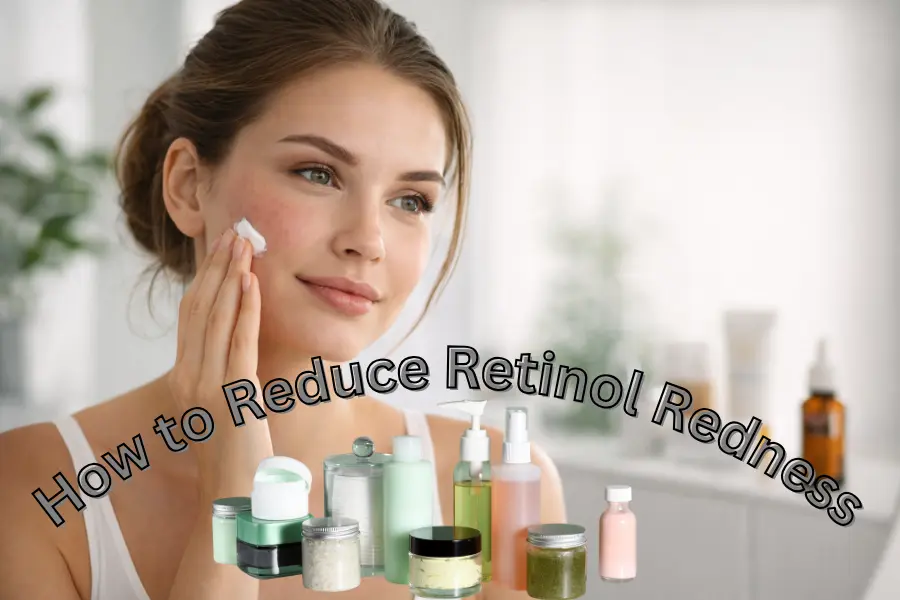
In this guide, you’ll learn exactly how to reduce retinol redness, soothe irritation, and build a skincare routine that keeps your skin healthy, balanced, and glowing.
Why Does Retinol Cause Redness?
Before understanding the exact reasons, it’s important to know that redness is one of the most common reactions when starting retinol. If you’re asking yourself why retinol causes redness, the answer lies in how this powerful ingredient interacts with your skin during the early stages. As your skin adjusts, temporary sensitivity and irritation can occur, which is completely normal for many users.
How Retinol Speeds Up Skin Cell Turnover
If you’re wondering why retinol causes redness, it’s mainly because of how it works on your skin. Retinol speeds up the natural process of skin cell turnover, meaning old skin cells shed faster and new ones come to the surface more quickly. While this helps improve texture and clarity over time, it can initially overwhelm your skin, leading to what many call a retinol reaction.
Weakening of the Skin Barrier (At First)
In the early stages, retinol can temporarily weaken your skin’s protective barrier. This barrier keeps moisture in and irritants out. When it becomes slightly compromised, your skin is more prone to redness, sensitivity, and irritation. This is a normal adjustment phase, especially for beginners.
Dryness, Peeling, and Inflammation
As your skin adjusts, you may notice dryness, flaking, or even mild inflammation. These are common signs of both retinol purging and irritation, which can sometimes be confusing. Purging usually involves breakouts, while irritation shows up as redness, burning, or discomfort. Understanding this difference helps you manage your skincare routine more effectively.
Signs Your Skin Is Irritated from Retinol
Before you can fix the problem, it’s important to recognise the early signs of retinol irritation. Many people confuse normal adjustment with actual damage, but your skin usually gives clear signals when something isn’t right.
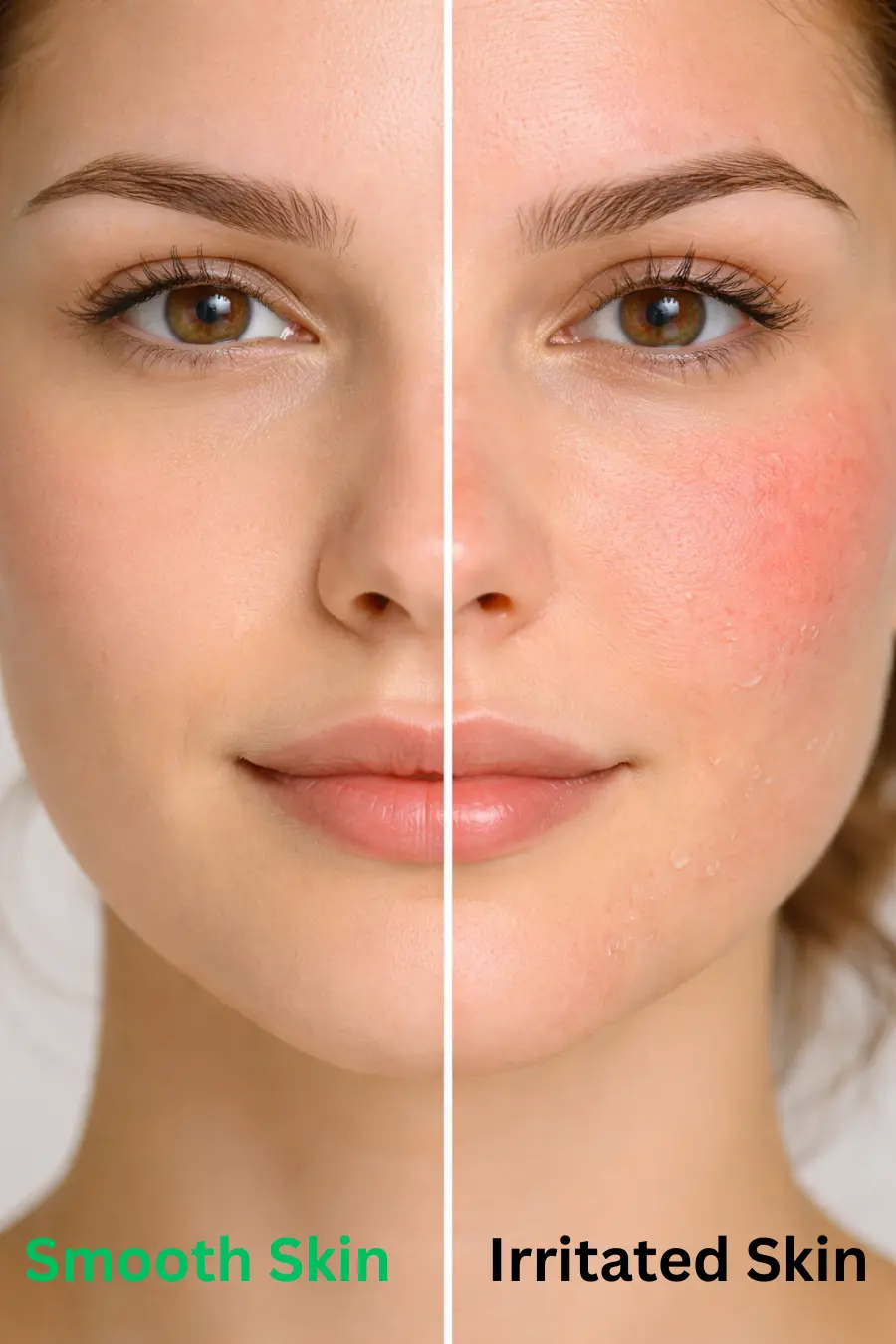
Understanding these signs of retinol damage helps you take action before the irritation gets worse.
Redness
One of the most common signs is visible redness on the skin, especially around sensitive areas like the cheeks and nose. This type of retinol burn can make your skin look inflamed and uneven.
Burning Sensation
If your skin feels like it’s stinging or burning after applying retinol, it’s a clear sign of irritation. Mild tingling may be normal at first, but a strong or persistent burning sensation should not be ignored.
Flaky Skin
Peeling or flaking is another common reaction. As retinol increases cell turnover, dead skin sheds faster, which can lead to dryness and visible flakes if your skin isn’t properly hydrated.
Sensitivity
Your skin may become more sensitive than usual, reacting to products that never caused issues before. This includes redness after washing your face or discomfort when applying even gentle skincare products.
How to Reduce Retinol Redness?
If you’re dealing with irritation, don’t worry, there are simple and effective ways to reduce retinol redness without completely giving up on it. The key is to adjust how you use it and support your skin while it adapts.
Do You Have A Retinol Rash Or Are You Experiencing Retinization?
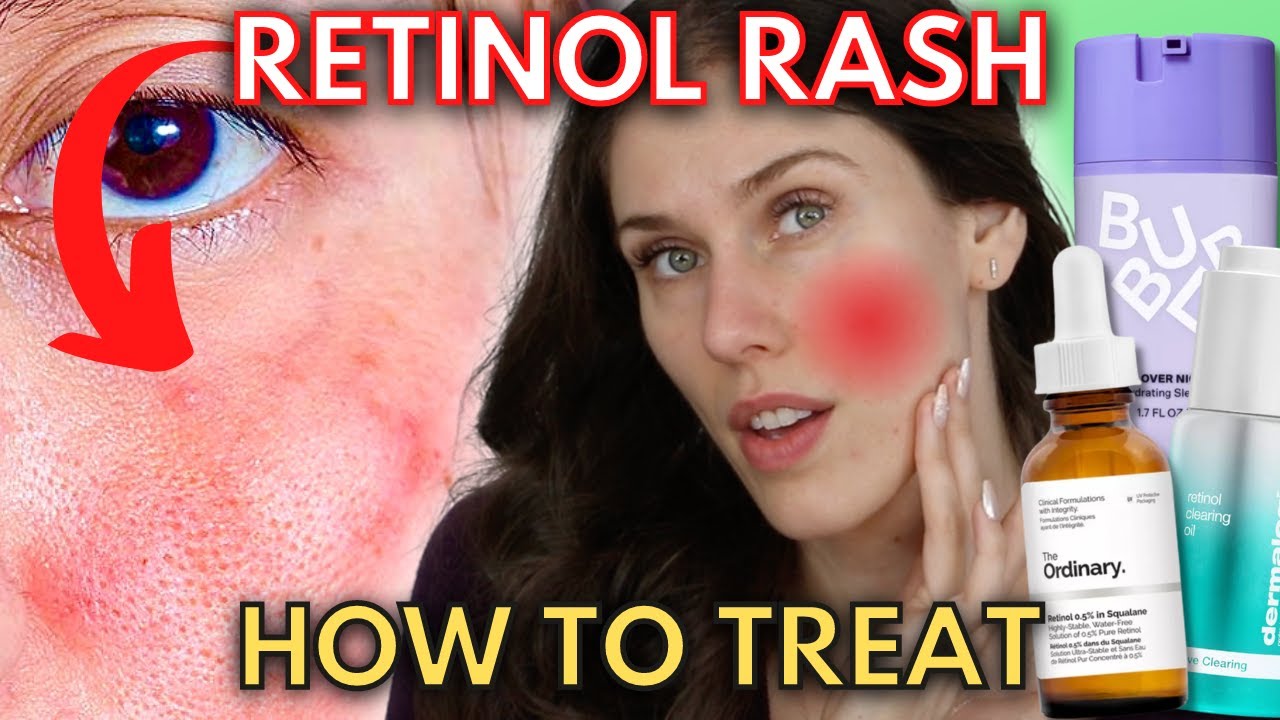
Follow these steps to calm irritation and build a healthier routine.
1. Reduce Frequency of Retinol Use
One of the easiest ways to reduce retinol irritation is to stop using it every day. If your skin feels overwhelmed, cut back to 2–3 times a week. This gives your skin enough time to recover between applications. If you’re unsure how often to use retinol, start slow and increase gradually as your skin builds tolerance.
2. Use the “Sandwich Method.”
The retinol sandwich method is a beginner-friendly technique that helps minimise irritation. Apply a layer of moisturiser first, then retinol, and finish with another layer of moisturiser. This method creates a buffer and shows you how to apply retinol safely, avoiding excessive dryness or redness.
3. Switch to a Lower Strength Retinol
If your skin is reacting strongly, it might be too much too soon. Choosing a low percentage retinol allows your skin to adjust more comfortably. For beginners, starting with a beginner retinol strength (like 0.25% or 0.5%) can significantly reduce irritation.
4. Focus on Skin Barrier Repair
When your skin barrier is compromised, redness and irritation become worse. That’s why skin barrier repair after retinol is essential. Use products rich in ceramides, fatty acids, and soothing ingredients to support a damaged skin barrier treatment and restore your skin’s natural defence.
5. Hydrate Your Skin Properly
A strong hydrating skincare routine can make a huge difference. Retinol can often lead to dry skin, so using hydrating serums and moisturisers helps keep your skin calm, plump, and less reactive. Look for ingredients like hyaluronic acid to boost moisture levels.
6. Always Use Sunscreen
Retinol makes your skin more sensitive to sunlight, which can worsen redness. Using sunscreen with retinol is non-negotiable. Choose a broad-spectrum SPF for sensitive skin every morning to protect your skin and prevent further irritation.
Best Ingredients to Calm Retinol Redness
When your skin feels irritated, choosing the right products becomes very important. Using soothing ingredients for irritated skin can help reduce redness, repair damage, and restore comfort. These calming skincare ingredients work gently to support your skin while it adjusts to retinol.
Niacinamide
Niacinamide is known for its calming and anti-inflammatory properties. It helps reduce redness, strengthen the skin barrier, and improve overall skin texture. It’s especially helpful if your skin feels irritated or uneven after using retinol.
Hyaluronic Acid
Hyaluronic acid is a powerful hydrating ingredient that attracts moisture to the skin. It helps relieve dryness and tightness, which are common side effects of retinol use. Keeping your skin well-hydrated can significantly reduce irritation and make your routine more comfortable.
Ceramides
Ceramides play a key role in maintaining a healthy skin barrier. When your skin barrier is damaged, redness and sensitivity increase. Using products with ceramides helps repair and protect your skin, making them essential for calming irritation caused by retinol.
Aloe Vera
Aloe vera is a natural ingredient known for its soothing and cooling effects. It helps calm inflammation, reduce redness, and provide instant relief to irritated skin. It’s a great addition to your routine when your skin feels sensitive or inflamed.
What to Avoid While Using Retinol
When using retinol, what you don’t use is just as important as what you do. Many beginners unknowingly mix the wrong products, which leads to irritation, redness, and damage. Understanding what not to use with retinol can help you avoid common problems and protect your skin barrier.
Avoid AHAs, BHAs, and Vitamin C (Initially)
Strong active ingredients like AHAs, BHAs, and even Vitamin C can be too harsh when combined with retinol, especially at first. Using them together may increase sensitivity and lead to redness or irritation. One of the most common retinol mistakes beginners make is layering too many actives at once. It’s better to keep your routine simple until your skin builds tolerance.
Avoid Over-Exfoliation
Exfoliating too often while using retinol can weaken your skin barrier and worsen irritation. Since retinol already speeds up cell turnover, adding physical or chemical exfoliants can overload your skin. To prevent damage, limit exfoliation and focus on gentle, supportive skincare instead.
Beginner Tips to Prevent Retinol Redness
Starting retinol can feel intimidating, especially if you’ve never used strong actives before. Following a few simple tips can help you use retinol safely for beginners and minimise irritation. These retinol tips for sensitive skin ensure a smoother transition and healthier results.
Patch Test
Before applying retinol to your entire face, always perform a patch test on a small area of skin. This helps you see how your skin reacts and prevents widespread irritation if it’s too strong for your skin type.
Start Slow
Begin with a lower concentration and apply retinol only 2–3 times a week. Gradually increase frequency as your skin adjusts. Starting slow is one of the most effective ways to avoid redness and discomfort.
Use a Gentle Cleanser
Harsh cleansers can strip your skin and worsen irritation. Stick to a mild, non-foaming cleanser that won’t compromise your skin barrier. A gentle base allows your retinol to work effectively without causing unnecessary sensitivity.
Retinol Purging vs Irritation
Many beginners get confused between retinol purging vs breakout, but understanding the difference is key to managing your skincare routine effectively.
What Is Retinol Purging?
Purging happens when retinol speeds up your skin cell turnover, bringing clogged pores to the surface faster than usual. This can cause temporary breakouts, typically in areas where you normally experience acne. Purging usually lasts 2–6 weeks and is considered a normal part of the adjustment process.
What Is Retinol Irritation?
Unlike purging, irritation is not about breakouts. It’s about your skin reacting to the ingredient itself. Signs include redness, burning, flaking, and sensitivity. If you notice these symptoms, it’s a signal to adjust your routine. Asking yourself, “Is retinol irritation normal?” is common, and mild irritation can be normal, but persistent discomfort means you need to reduce the strength or frequency.
Key Difference
- Purging: pimples, short-term, appear in typical acne areas
- Irritation: redness, burning, flaking, sensitivity, not necessarily in acne-prone zones
Recognising the difference helps you decide whether to continue your routine or make adjustments for healthier skin.
When to Stop Using Retinol
Retinol is highly effective, but it’s important to listen to your skin. Sometimes, continuing use can do more harm than good. Knowing when to stop retinol can prevent long-term damage and keep your skin healthy.
Severe Redness
If your skin becomes intensely red, inflamed, or blotchy, it’s a clear warning sign. Severe redness indicates that your skin barrier is overwhelmed and needs a break from active ingredients.
Painful Irritation
Mild tingling or dryness is normal, but if you experience burning, stinging, or pain, it’s time to pause your retinol routine. Persistent discomfort is considered a severe retinol side effect, and continued use could worsen irritation or cause lasting damage.
Taking a short break, lowering the concentration, or consulting a dermatologist can help your skin recover before reintroducing retinol safely.
FAQs
Answering common questions not only helps your readers but also boosts SEO. These FAQs include long-tail, question-based keywords that Google loves for featured snippets, making your article more authoritative.
Redness usually appears within the first few days to weeks of starting retinol, as your skin adjusts to the increased cell turnover. For most people, mild redness subsides within 2–6 weeks. Factors such as skin type, retinol strength, and application frequency can affect this timeline. To help your skin recover faster, focus on gentle cleansing, consistent moisturising, and soothing ingredients such as niacinamide, hyaluronic acid, and ceramides. Avoid over-exfoliating or layering other strong actives during this adjustment period.
Using retinol every day is not recommended for beginners, as it can overwhelm your skin and lead to excessive retinol irritation or even long-term damage. Start slowly, applying it 2–3 times per week, and gradually increase frequency as your skin builds tolerance. Always monitor how your skin responds. If you notice persistent redness, flaking, or burning, take a break or lower the strength. Overusing retinol can lead to severe retinol side effects, such as chronic irritation, broken capillaries, or barrier damage.
Mild redness or tingling is normal when first introducing retinol, but you should pause usage if redness becomes intense, painful, or lasts more than a few days. Severe irritation indicates your skin barrier is compromised. During this break, focus on repairing your skin barrier with gentle moisturisers, calming ingredients, and minimal actives. Once your skin has recovered, you can reintroduce retinol at a lower strength or reduced frequency to avoid the same reaction.
To quickly soothe irritated skin from retinol:
- Use calming ingredients – Niacinamide, ceramides, hyaluronic acid, and aloe vera can reduce redness, restore hydration, and strengthen the skin barrier.
- Moisturise generously – Apply a gentle, fragrance-free moisturiser to lock in hydration and prevent further dryness or flaking.
- Avoid harsh actives – Pause any AHAs, BHAs, Vitamin C, or physical exfoliants while your skin heals.
- Apply cold compresses – A soft, cool cloth on the affected areas can relieve burning or stinging sensations.
- Use gentle routines – Stick to lukewarm water for cleansing, pat dry, and avoid scrubbing.
- Protect from the sun – Even mild sun exposure can worsen irritation, so apply broad-spectrum SPF for sensitive skin every morning.
By following these steps, most people notice significant relief within a few days, and skin becomes calmer, less red, and ready for retinol again at a gentler pace.
Conclusion
Dealing with retinol redness can feel frustrating, but remember, it’s a common and manageable part of the process. With the right approach, you can reduce retinol redness and enjoy all the benefits this powerful ingredient offers.
Consistency is key. Stick to a gentle, well-structured routine, support your skin barrier, and use soothing ingredients to keep irritation at bay. Following these steps ensures a healthy skincare routine that protects your skin while helping you achieve smoother, clearer, and glowing skin over time.
Starting retinol doesn’t have to be intimidating. Take it slow, listen to your skin, and you’ll see results without the discomfort.





QPcLstASiXwglfbLS