Why Your Vitamin C Serum Is Causing Breakouts and How to Fix It
Published: 17 Mar 2026
Is Vitamin C Serum causing breakouts? Vitamin C is one of the most popular skincare ingredients today, and for good reason. It’s known for brightening the skin, reducing dark spots, and giving that healthy glow many people want. Because of these benefits, Vitamin C serums have become an essential part of many skincare routines.
However, not everyone has a smooth experience with it. Some people start noticing pimples, irritation, or sudden skin changes after using it. This can be confusing, especially when you’re using a product that’s supposed to improve your skin.
If you’re facing this issue, you might be wondering whether your product is the problem. The concern that Vitamin C Serum causes breakouts is very common, and it can occur for various reasons, such as skin type, product strength, or incorrect use.

In this article, we’ll go step by step to understand the real causes behind it and how you can fix it. By the end, you’ll clearly know whether to continue, adjust, or stop using your Vitamin C serum.
Can Vitamin C Serum Really Cause Breakouts?
The short answer is yes, but not always. Not everyone who uses Vitamin C serum experiences breakouts. In fact, for many people, it actually improves their skin. The reaction often depends on several factors, such as your skin type, the product formulation, and how you use it.
Skin Type Matters
Your skin type plays a major role in how your skin reacts. People with sensitive or acne-prone skin are more likely to notice irritation or pimples, while those with normal or dry skin may tolerate Vitamin C well. Understanding your skin type is the first step to preventing breakouts.
Formulation and Strength
Not all Vitamin C serums are the same. High concentrations or unstable formulas can irritate the skin and lead to breakouts. For example, serums with L-ascorbic acid at high percentages are more likely to cause sensitivity in beginners. Choosing a stable and skin-friendly formula is key.
How You Use It
Even a perfect formula can cause issues if used incorrectly. Applying too much serum, mixing it with strong acids or retinol, or skipping a patch test can trigger breakouts. Using 2–3 drops and following a proper routine helps prevent this.
Clearing the Misconception
It’s important to remember: Vitamin C is not harmful by default. The ingredient itself is safe and highly beneficial. Most breakouts are caused by improper use, wrong concentration, or unsuitable formulations, not the vitamin itself.
Vitamin C causing Skin Dullness? Pimples?| How to solve this Problem.
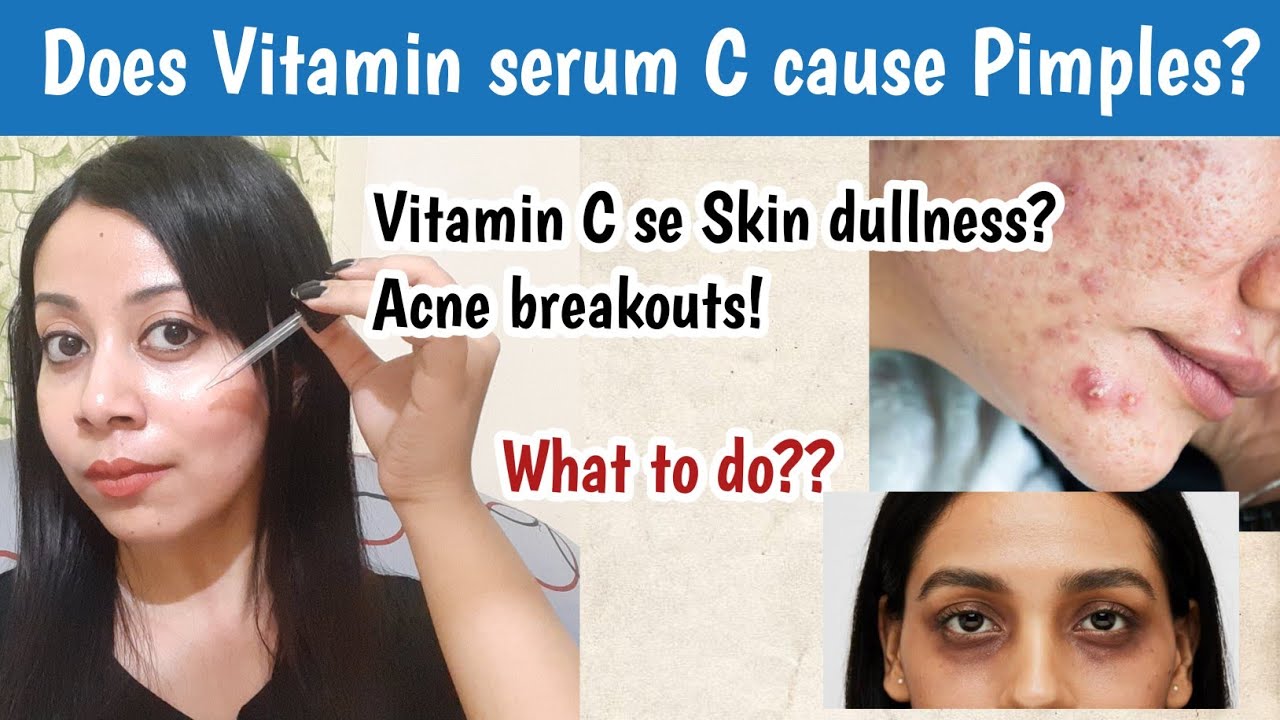
Vitamin C Purging vs Breakouts – Know the Difference
When your skin reacts after starting a Vitamin C serum, it can be confusing. Is it just purging, or is it a real breakout? Understanding the difference can help you decide whether to continue using the serum or make adjustments.
What Is Skin Purging?
Skin purging happens when a product speeds up your skin’s natural cell turnover. This process brings clogged pores and impurities to the surface faster than usual.
During purging, you might notice small pimples or whiteheads appearing in areas where you normally get acne. The good news is that purging is usually temporary and is a sign that your skin is adjusting and renewing itself.
What Is a Breakout?
A breakout, on the other hand, is a negative reaction to a product. It’s not your skin renewing itself. It’s your skin being irritated or inflamed.
Breakouts can include red, painful pimples, cystic acne, or new spots in areas where you normally don’t get acne. Unlike purging, breakouts tend to persist or worsen over time if the cause isn’t removed.
Key Differences Between Purging and Breakouts
Duration
- Purging: Usually lasts 2–4 weeks and improves as your skin adjusts.
- Breakouts: May persist beyond a few weeks and worsen if the product is still in use.
Type of Pimples
- Purging: Small whiteheads or tiny bumps.
- Breakouts: Red, inflamed, or painful pimples.
Location on Face
- Purging: Appears in areas where you normally get acne.
- Breakouts: Can appear in new areas, unrelated to your usual acne zones.
How to Identify What You’re Experiencing
To figure out if it’s Vitamin C Serum Causing Breakouts or just purging:
- Check the duration — is it short-lived or persistent?
- Examine the type of pimples — small bumps or inflamed spots?
- Look at the location — usual acne areas or new zones?
If it’s purging, your skin will improve within a few weeks. If it’s a real breakout, it’s a sign that the serum may not suit your skin, or it’s being used incorrectly.
Top Reasons Why Vitamin C Serum Is Causing Breakouts
Even though Vitamin C is highly beneficial, certain factors can cause your skin to react negatively. Understanding these reasons can help you avoid breakouts and use your serum safely.

1. Wrong Type of Vitamin C
Not all Vitamin C formulas are the same. The most common is L-ascorbic acid, which is very potent. While effective, strong formulas can irritate sensitive skin or trigger breakouts.
Gentler derivatives, such as sodium ascorbyl phosphate or magnesium ascorbyl phosphate, are usually safer for sensitive or acne-prone skin. Choosing the right type for your skin is essential.
2. High Concentration
Many people start with 15–20% Vitamin C, thinking more is better. For beginners, this can be too strong, leading to irritation, redness, and clogged pores.
If you’re new to Vitamin C, it’s better to start with 5–10% and let your skin gradually build tolerance.
3. Poor Formulation or Low-Quality Products
Cheap or poorly formulated serums can oxidise quickly, turning brown or developing a strange smell. Oxidised Vitamin C can be irritating and may trigger breakouts.
Always choose a stable, high-quality serum from a trusted brand, preferably in dark or opaque bottles to prevent oxidation.
4. Using Too Much Product
Applying too much Vitamin C serum won’t make it work faster. Over-application can congest pores and overwhelm your skin barrier, causing breakouts or irritation.
Stick to 2–3 drops for the whole face. That’s plenty for effective results.
5. Mixing with the Wrong Ingredients
Certain combinations can stress your skin. Avoid using Vitamin C with:
- Retinol
- AHAs or BHAs in the same routine
Mixing these can lead to irritation, redness, and breakouts, especially if your skin is sensitive. Keep routines simple and separate strong activities when possible.
6. Skin Type Mismatch
Finally, your skin type matters a lot. Oily or acne-prone skin may react differently to some Vitamin C serums, especially thick or heavy formulations.
If a product feels greasy or sticky, it may clog pores and worsen breakouts. Always match your serum’s texture and formula to your skin type.
How to Prevent Breakouts from Vitamin C Serum
Using Vitamin C serum doesn’t have to lead to breakouts if you follow a few simple steps. These tips can help your skin adjust and get the maximum benefits without irritation.
Start with a Low Concentration
If you’re new to Vitamin C, don’t start with a strong formula. Begin with a 5–10% concentration to let your skin gradually adapt. This reduces the risk of redness, irritation, and breakouts while still providing brightening benefits.
Patch Test First
Always perform a patch test before applying the serum to your whole face. Apply a small amount on your jawline or behind your ear and wait 24–48 hours. This helps identify any sensitivity or allergic reactions early, preventing widespread breakouts.
Use the Right Amount
More is not better when it comes to Vitamin C. Using too much serum can clog pores and overwhelm your skin barrier. Stick to 2–3 drops for your entire face. This is sufficient for effective results without causing problems.
Choose the Right Formula for Your Skin Type
The texture and formulation of your serum matter.
- Oily skin: opt for gel-based or lightweight serums that absorb quickly and don’t feel heavy.
- Dry skin: choose hydrating formulas with soothing ingredients to prevent dryness and irritation.
Matching the serum to your skin type helps prevent breakouts and ensures better results.
Store It Properly
Vitamin C is sensitive to light, heat, and air. Always store your serum in a cool, dark place, and make sure the bottle is tightly closed. Proper storage prevents oxidation, which can irritate the skin and cause breakouts.
How to Use Vitamin C Serum Correctly (Step-by-Step)
Using Vitamin C serum correctly is key to getting the benefits without causing breakouts or irritation. Here’s a simple step-by-step guide you can follow.
Step 1 – Cleanser
Start with a gentle cleanser to remove dirt, oil, and impurities from your skin. Clean skin helps the Vitamin C serum absorb properly and prevents clogged pores. Avoid harsh cleansers that strip your skin, as this can make it more sensitive.
Step 2 – Toner (Optional)
Toner is optional, but it can help balance your skin’s pH and improve the absorption of your serum. If you use a toner, choose a gentle, alcohol-free formula to avoid irritation.
Step 3 – Apply Vitamin C Serum
Apply 2–3 drops of your Vitamin C serum onto your face. Gently pat it in with your fingertips instead of rubbing. Focus on areas with dark spots or dullness, but spread it evenly across your face for the best results.
Step 4 – Moisturiser
After the serum absorbs, use a hydrating moisturiser to lock in the active ingredients and support your skin barrier. Moisturiser also helps reduce potential irritation, especially if your skin is sensitive.
Step 5 – Sunscreen (Morning Routine)
If you’re using Vitamin C in the morning, always finish with broad-spectrum sunscreen. Vitamin C can make your skin more sensitive to sunlight, so sunscreen is essential to protect your skin and maximise results.
Should You Stop Using Vitamin C If It Causes Breakouts?
It can be worrying when your Vitamin C serum seems to trigger pimples or irritation. But not every reaction means you need to quit completely. Knowing when to stop, reduce, or switch can save your skin and still let you benefit from Vitamin C.
When to Stop Immediately
If you notice severe irritation, redness, or painful pimples, stop using the serum immediately. Continuing can damage your skin barrier and make breakouts worse. Severe reactions indicate that your skin cannot tolerate that product.
When to Reduce Usage
Sometimes, the serum isn’t the problem. It’s how often you’re using it. If your skin shows mild irritation or small breakouts, try reducing frequency. Start with 2–3 times a week instead of daily and gradually increase as your skin adjusts.
When to Switch Products
If adjusting the frequency doesn’t help, it may be your formula or concentration. Consider switching to a gentler Vitamin C derivative or a lower concentration. Choosing a product that matches your skin type can help prevent breakouts while still delivering benefits.
Best Alternatives If Vitamin C Doesn’t Suit Your Skin
Not everyone’s skin reacts well to Vitamin C serum, and that’s okay. If your skin is sensitive or prone to breakouts, several gentle alternatives can help brighten and improve your complexion without irritation.
Niacinamide
Niacinamide is a versatile ingredient suitable for almost all skin types. It helps reduce excess oil, calm inflammation, and fade dark spots over time. Unlike strong Vitamin C serums, niacinamide is generally gentle and non-irritating, making it a great alternative for acne-prone or sensitive skin.
Alpha Arbutin
Alpha arbutin is a mild brightening agent that works on hyperpigmentation and dark spots. It’s less likely to irritate compared to high-strength Vitamin C. Using it consistently can give your skin a brighter, more even tone without triggering breakouts.
Hyaluronic Acid
While not a brightener itself, hyaluronic acid is excellent for hydrating and plumping the skin. Well-hydrated skin responds better to brightening treatments, and using it can reduce sensitivity caused by stronger actives like Vitamin C.
Gentle Brightening Ingredients
Other gentle brightening ingredients include:
- Liquorice root extract – helps with discolouration and redness
- Kojic acid (low concentrations) – supports skin tone improvement
- Mild fruit enzymes – help exfoliate without harsh irritation.
These alternatives allow you to achieve glowing, even-toned skin while minimising the risk of Vitamin C serum causing breakouts.
FAQs
Here are some of the most common questions people ask when Vitamin C serum causes breakouts, along with detailed, practical answers.
Yes, Vitamin C can cause acne, but usually only under certain conditions. The ingredient itself is safe and beneficial, but your skin may react if:
- You’re using a high concentration (15–20%) too soon.
- The formula isn’t suited for your skin type.
- You apply too much serum at once.
- It’s mixed with other strong actives like retinol or acids in the same routine.
If your skin is sensitive or acne-prone, choosing a gentle derivative like magnesium ascorbyl phosphate or sodium ascorbyl phosphate can help reduce the risk of breakouts while still providing brightening benefits.
Purging occurs when your skin accelerates its natural turnover, bringing clogged pores and impurities to the surface.
- Typical duration: 2–4 weeks
- Signs it’s purging:
- Small, whitehead-like pimples
- Occurs mainly in areas where you normally get acne
- Improves over time without worsening
- Small, whitehead-like pimples
If pimples persist for more than 4 weeks or appear in new areas, it may indicate a breakout rather than purging. In that case, adjust your routine or change the product.
Yes, it can be safe, but the key is choosing the right formula and routine. Tips for acne-prone skin:
- Use gentle derivatives rather than strong L-ascorbic acid.
- Start with low concentrations (5–10%) to avoid irritation.
- Avoid heavy or greasy serums, as they can clog pores.
- Introduce slowly, starting 2–3 times per week and increasing frequency as your skin tolerates it.
Following these steps can allow you to enjoy Vitamin C benefits without triggering breakouts.
Yes, once your skin adjusts, daily use is fine. However, beginners should start carefully:
- Begin 2–3 times per week to minimise irritation or breakouts.
- Gradually increase frequency to daily use if your skin responds well.
- Always apply sunscreen in the morning, as Vitamin C can make your skin more sensitive to sunlight.
Once your skin adjusts, you can use Vitamin C daily, but start slowly and always pair it with sunscreen for protection.
Choosing the right concentration is crucial for both effectiveness and safety.
- Beginners: 5–10% concentration, enough to brighten skin and provide antioxidant benefits without irritating.
- Intermediate users: 10–15% — for more noticeable brightening, once your skin tolerates it.
- Experienced users: 15–20% — only if your skin is tolerant, not acne-prone, and not sensitive.
Always start low and gradually increase as your skin adapts, rather than jumping straight to a high percentage.
In short, Vitamin C is generally safe and effective, but breakouts can happen if the concentration, formula, or usage isn’t right. Start with a gentle serum, use the correct amount, and introduce it gradually to allow your skin to adjust. By following these steps, you can enjoy the brightening and antioxidant benefits of Vitamin C without triggering unwanted breakouts.
Conclusion
Experiencing breakouts after using Vitamin C serum can be frustrating, but it doesn’t mean the ingredient is bad for your skin. Most of the time, Vitamin C serum causing breakouts is related to skin type, product concentration, or usage habits, not the vitamin itself.
The key is to use the serum correctly: start with a low concentration, apply just a few drops, and introduce it gradually into your routine. Performing a patch test and choosing a formula suited to your skin type can help prevent irritation and support your skin’s adjustment.
Patience is important. Even when used properly, Vitamin C can take a few weeks to show noticeable results. Consistency in your skincare routine, along with sun protection and hydration, ensures the best outcome for healthy, glowing skin.
Remember, breakouts don’t mean failure. They’re just your skin telling you it needs a little adjustment. By understanding how to use your serum wisely, you can enjoy all the benefits of Vitamin C without worrying about unwanted breakouts.






- Be Respectful
- Stay Relevant
- Stay Positive
- True Feedback
- Encourage Discussion
- Avoid Spamming
- No Fake News
- Don't Copy-Paste
- No Personal Attacks
- Be Respectful
- Stay Relevant
- Stay Positive
- True Feedback
- Encourage Discussion
- Avoid Spamming
- No Fake News
- Don't Copy-Paste
- No Personal Attacks
